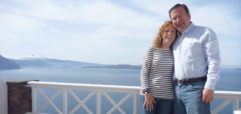
We touched down in Casablanca, Morocco on Tuesday the 28th. Coming to North Africa makes this the sixth of the seven continents we have visited on our journey!
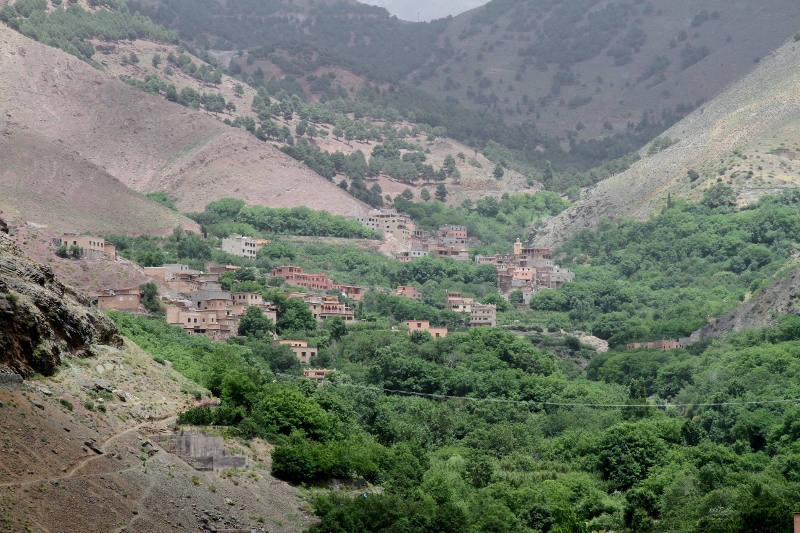
Officially the Kingdom of Morocco, the country is a contrast of geography, environment, old and new and people. Despite a common perception of being a desert country, quite the opposite is true. This is a land of fertile valleys, of lush farms growing fruits, vegetables, grains and olives. At one point we could have picked the ripe cherries from the trees at the side of the road.
Casablanca
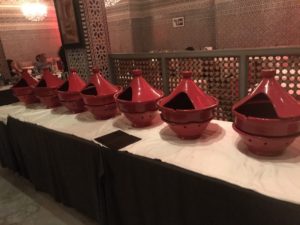
We were only in Casablanca for one day, and no we did not visit Rick’s. Not “Everybody Goes to Rick’s”. We decided that since the movie was actually filmed in LA in 1942, it was not worth the effort to go across town from where we were staying. Instead we went to a local restaurant featuring local foods. Tagine and Couscous was the order of the day, or should I say night. It was Ramadan during our visit, so restaurants opened after sunset, first for those breaking their fast and then after 8:30-9:00 to others. Anyone eating during the day were the tourists.
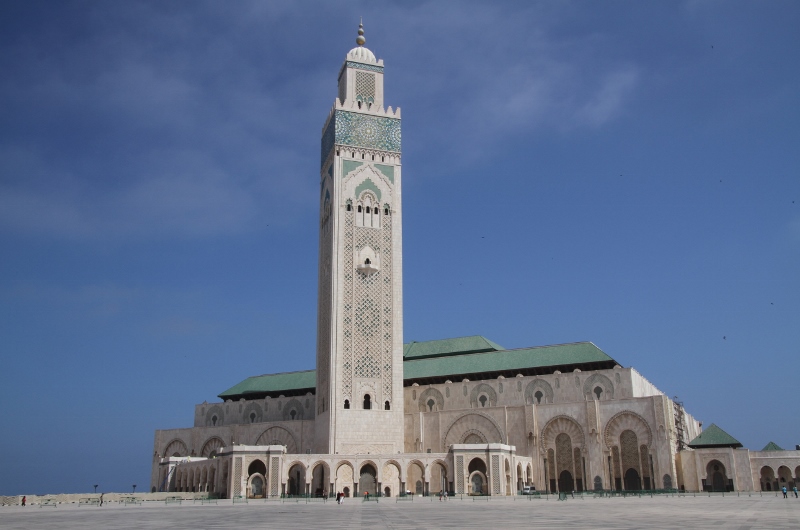
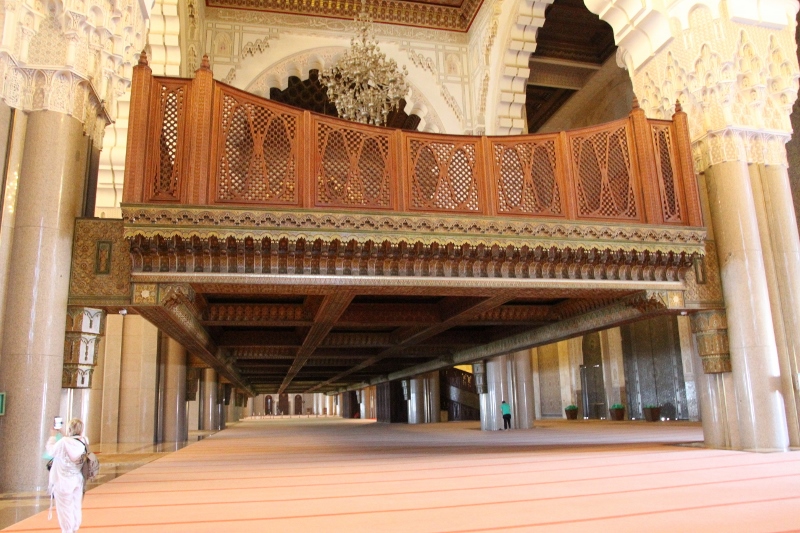
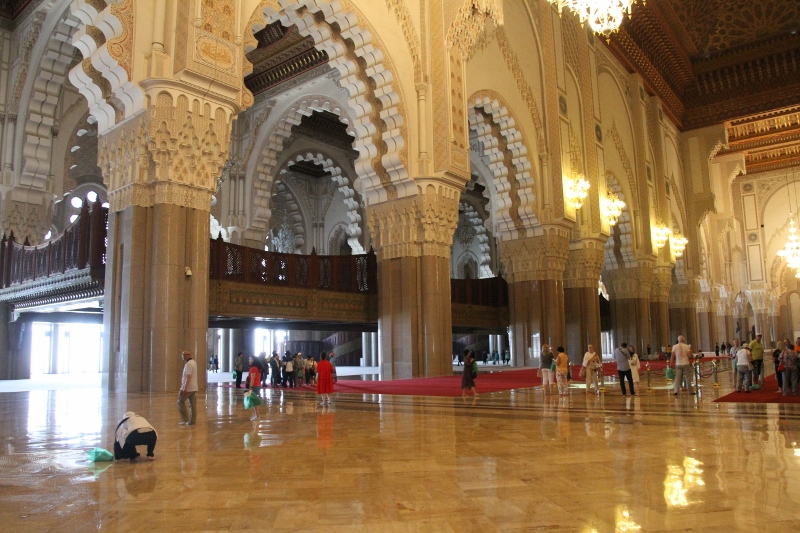
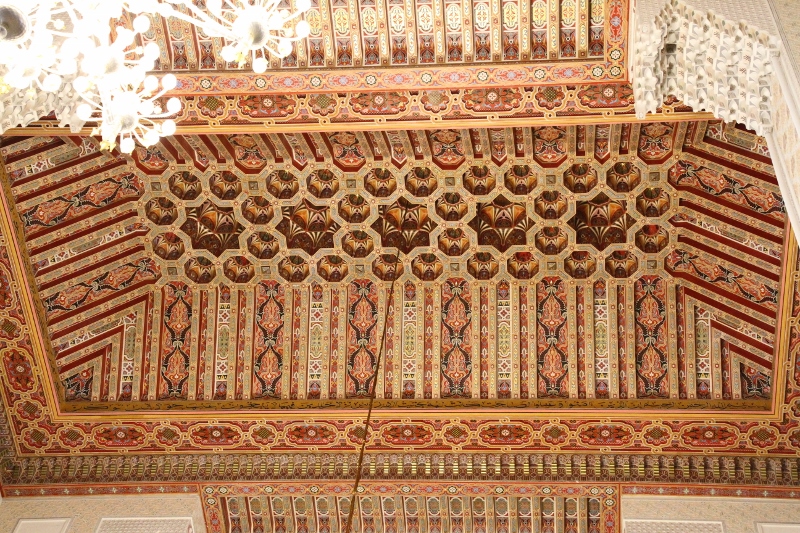
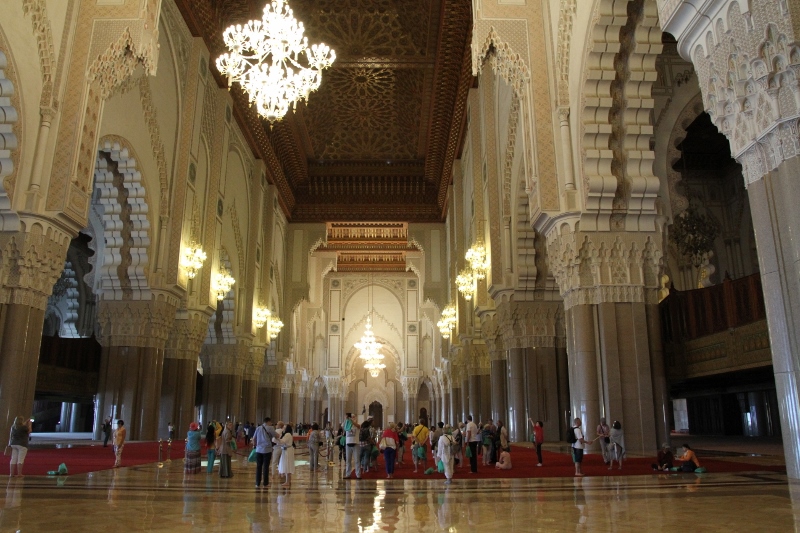
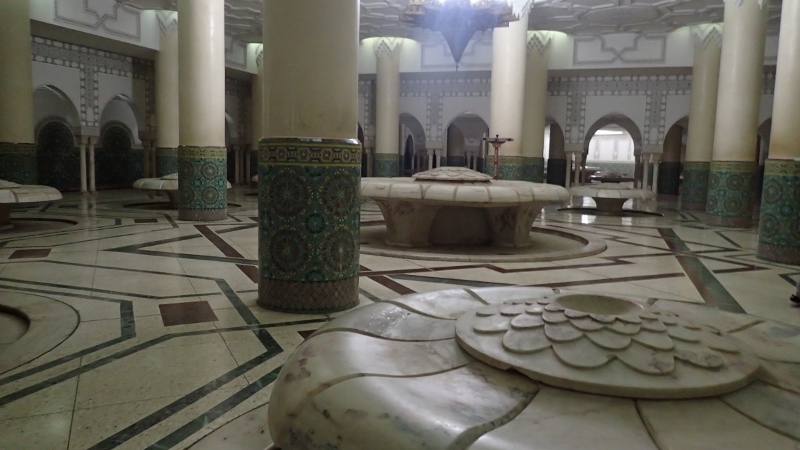
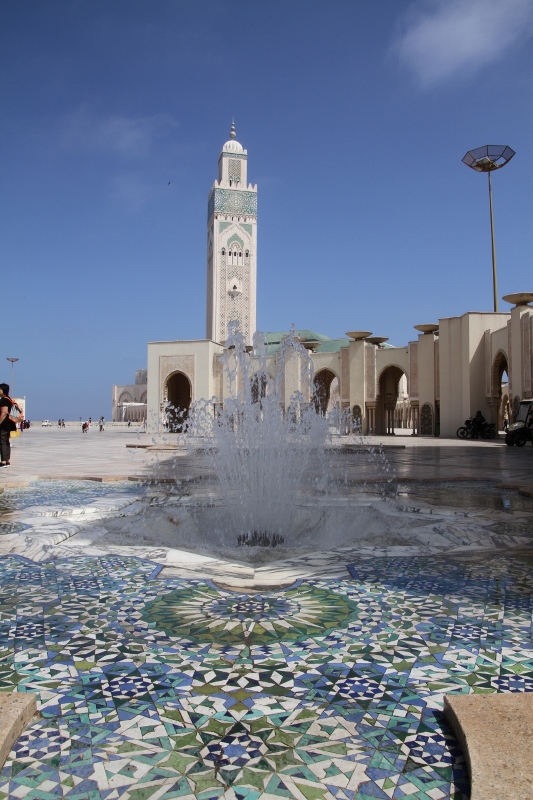
The city with a population of about 3.5 million, is the main financial and industrial center for the country. First settled in the 8th century BC by the Berbers, it has been a major port and trading center throughout its history. Casablanca is not a main tourist destination, what history is here is better explained in other areas of the country. Its most famous site is the Hassan II Mosque. It is the largest mosque in Africa, and 5th largest in the world. Its minaret is the world’s tallest minaret at 210 meters (60 stories) toped by a laser, the light of which is directed towards Mecca. The mosque stands on a promontory looking out to the Atlantic Ocean; worshipers can pray over the sea. The walls are of hand-crafted marble and the roof is retractable. A maximum of 105,000 worshipers can gather together for prayer, 25,00 inside the mosque hall and another 80,000 on the mosque’s outside ground.
Rabat
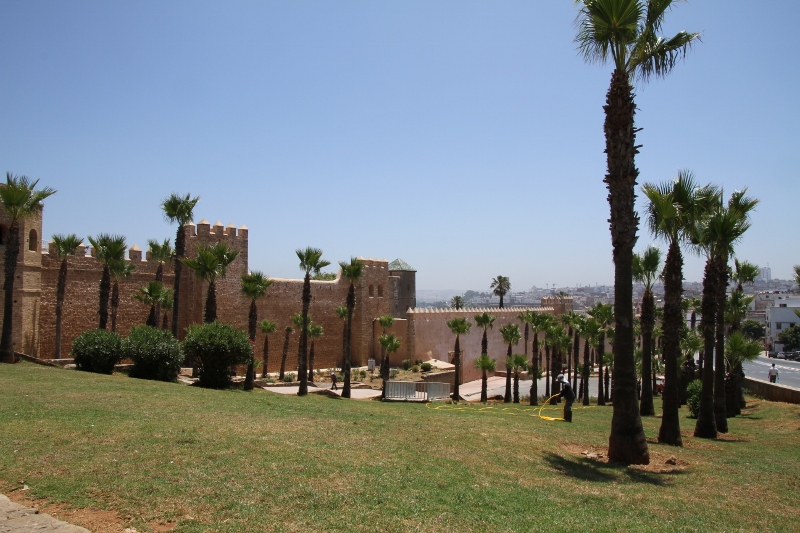
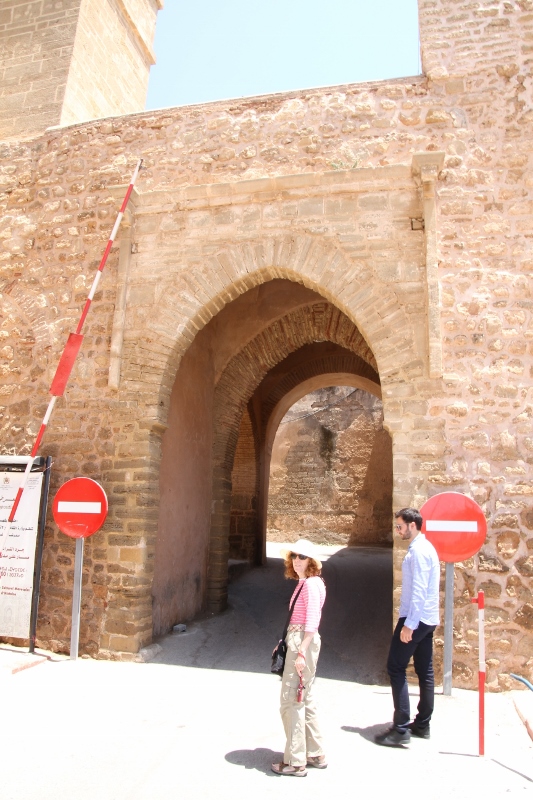
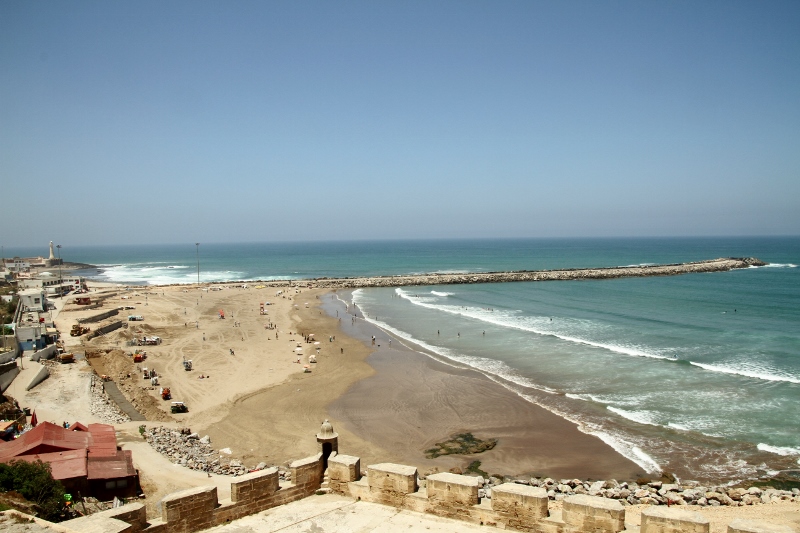
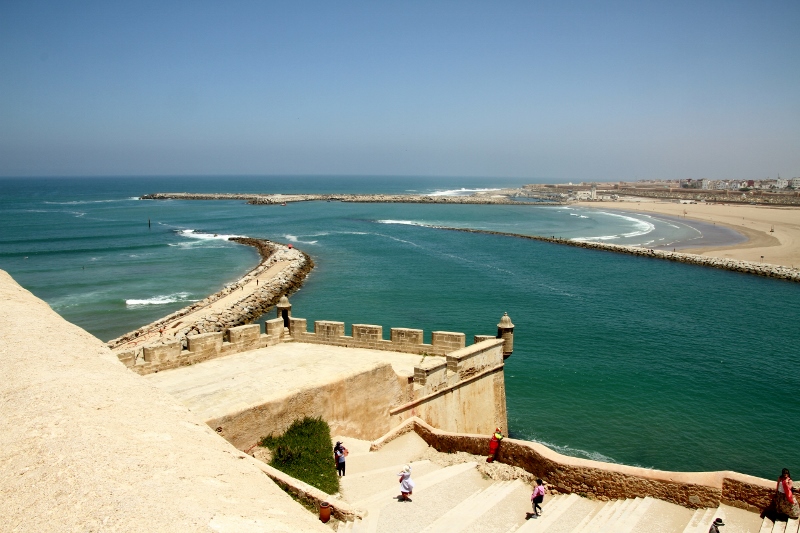
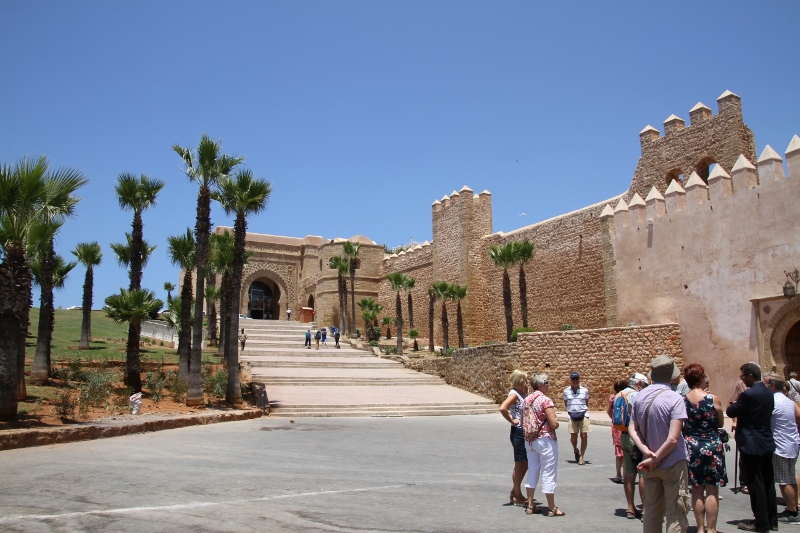
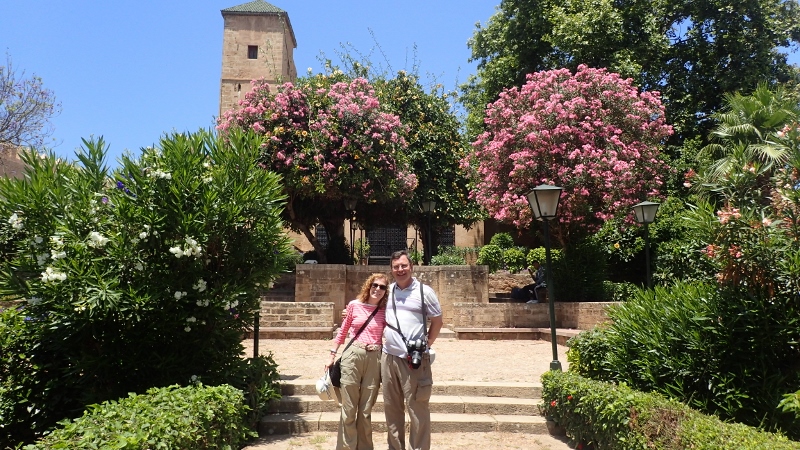
On our way to Fes we stopped in Rabat, the enchanting and welcoming capital of Morocco, with a long and rich history. We were introduced to the Kasbah of Oudaias. A Kasbah differs from a Medina, but I am still not quite sure what is the distinguishing feature.
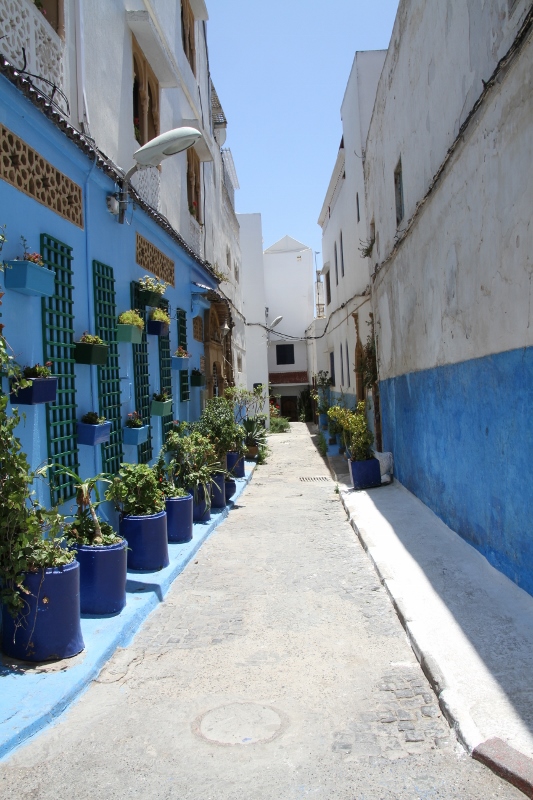
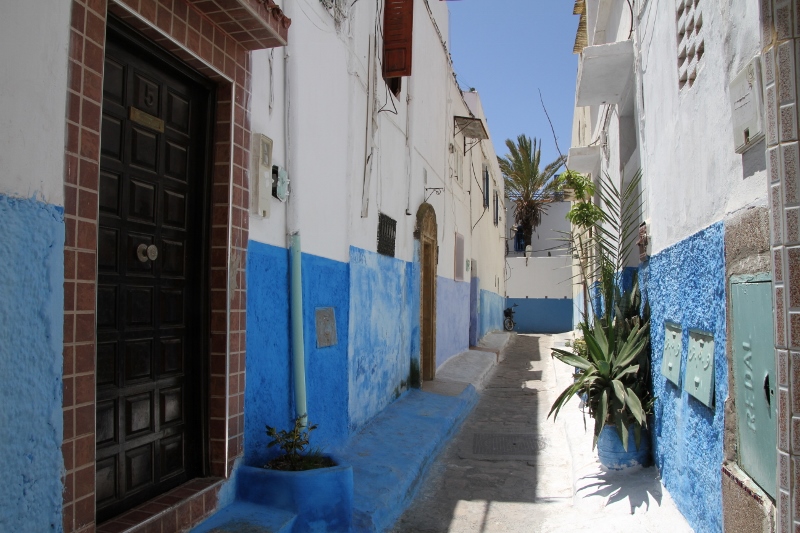
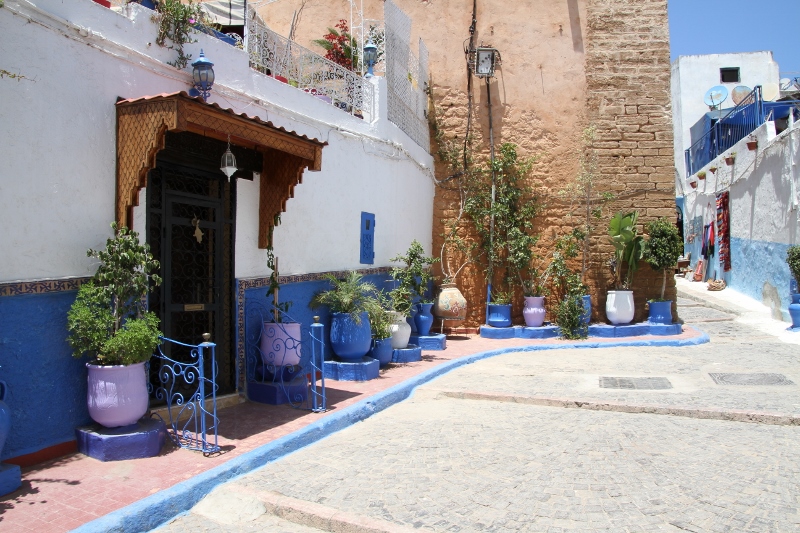
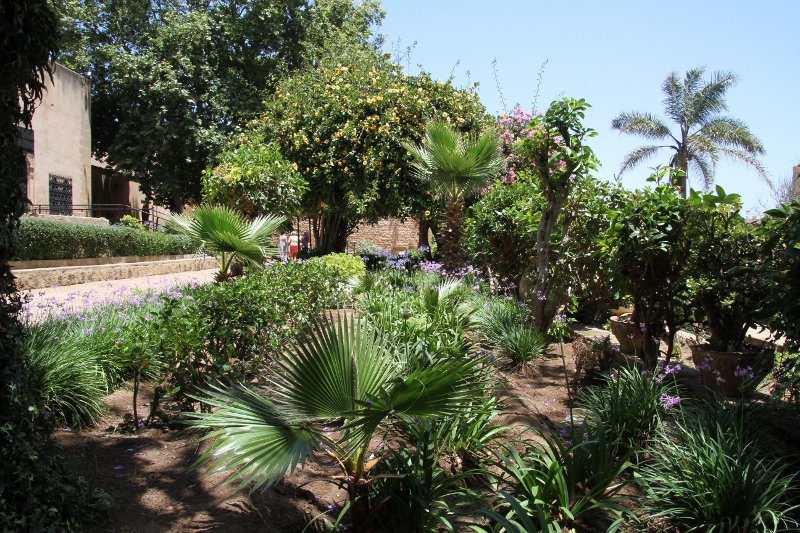
Occupying the oldest part of Rabat, Kasbah des Oudaias lies at the original site of the city, complete with views. Now predominantly residential area, it is a peaceful and beautiful place to wonder around the narrow, white-washed streets, some painted a refreshing blue.
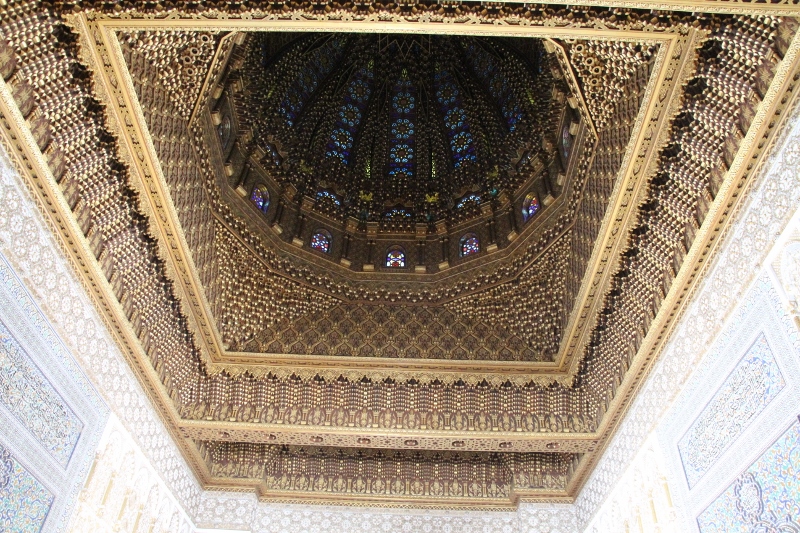
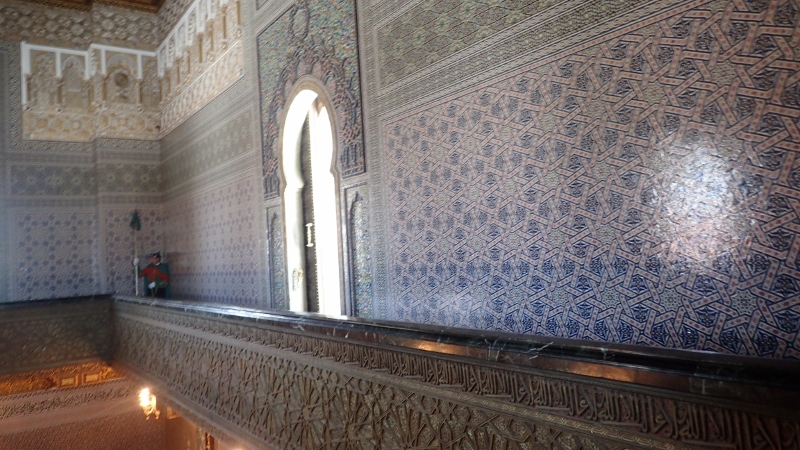
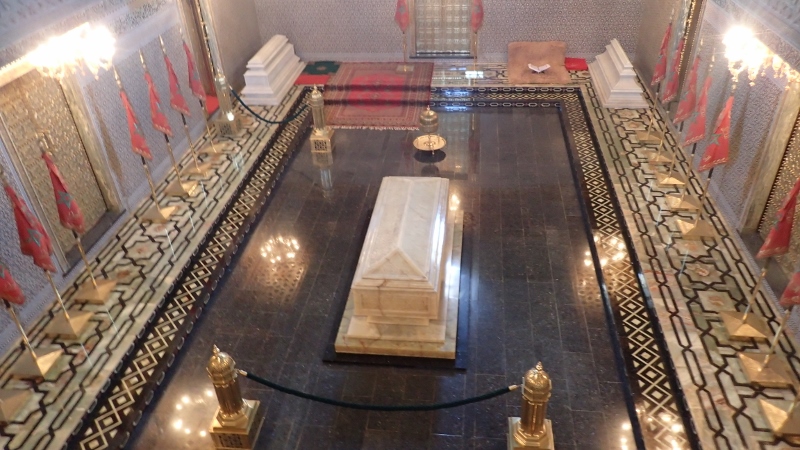
We visited the tomb of King Mohammad V and hist two sons. The white marble mausoleum is an extraordinarily beautiful building with gold leaf ceiling and captivating carvings inside.
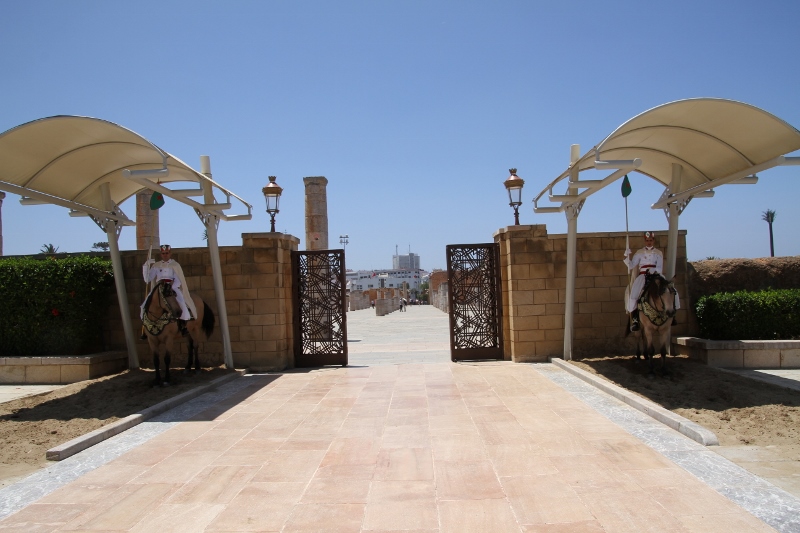
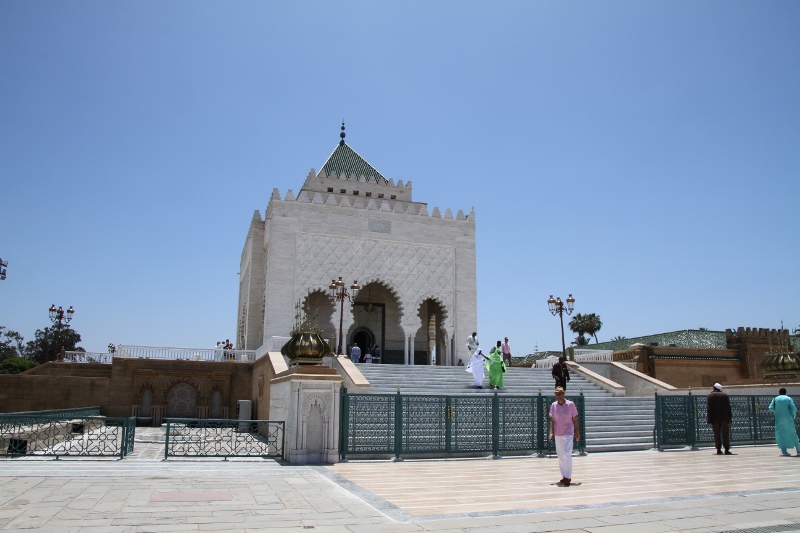
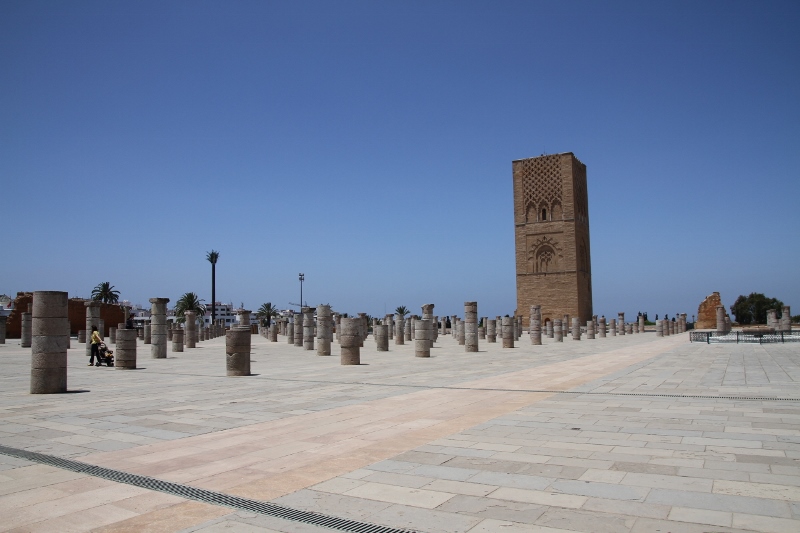
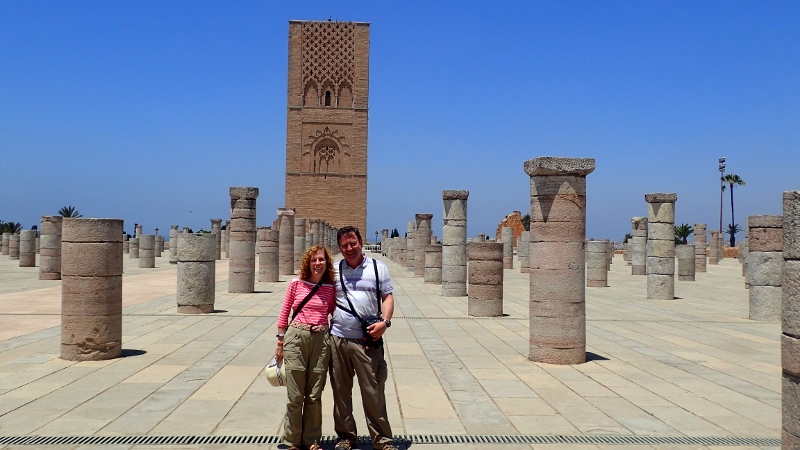
Opposite the Mausoleum is the Hassan Tower. Commissioned in 1195, this was intended to be the largest minaret in the world for what the ruler, Yacoub al-Mansour, intended to be a majestic mosque. However, upon the death of the Caliph, if 1199, construction was stopped.
Fes
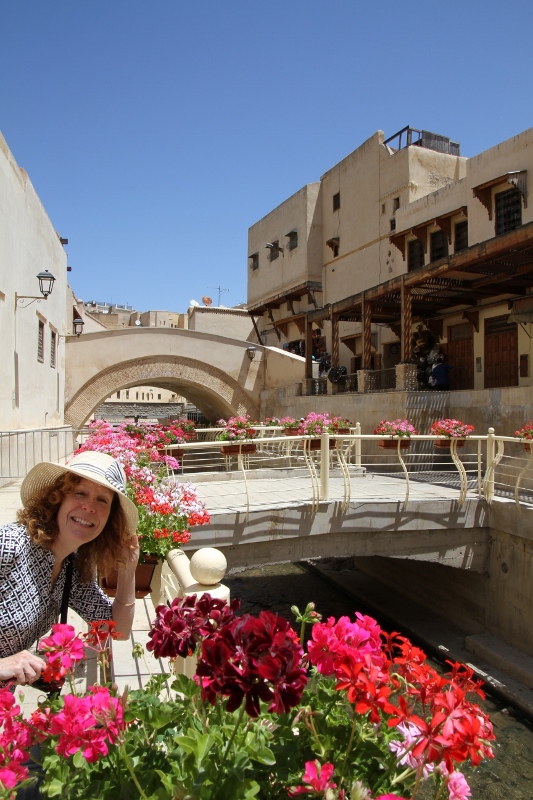
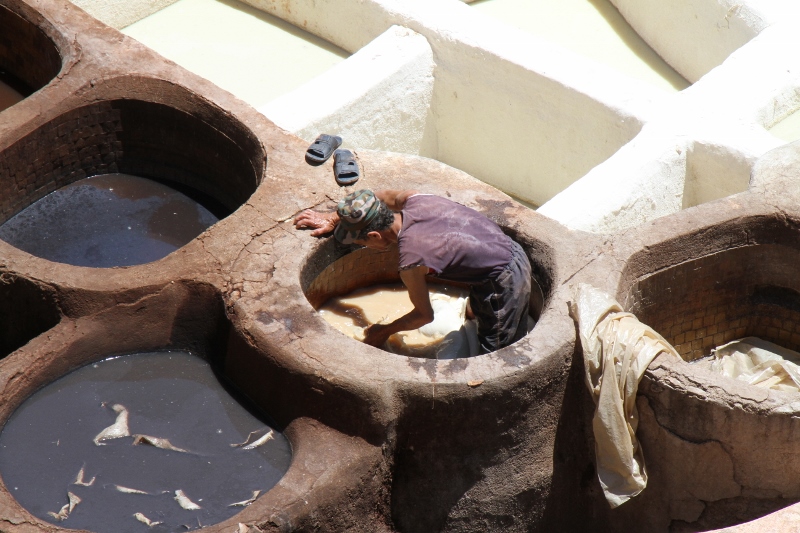
Considered to be the cultural and religious center of Morocco, Fes is home to the University of Al Quaraouiyine which was founded in 859 and the oldest continuously functioning university in the world. Its Medina, Fes el Bali is one of the best-preserved old towns of the Arab-Muslim world and the world’s largest urban pedestrian zone. It also has Chouara Tannery from the 11th century, one of the oldest tanneries in the world.
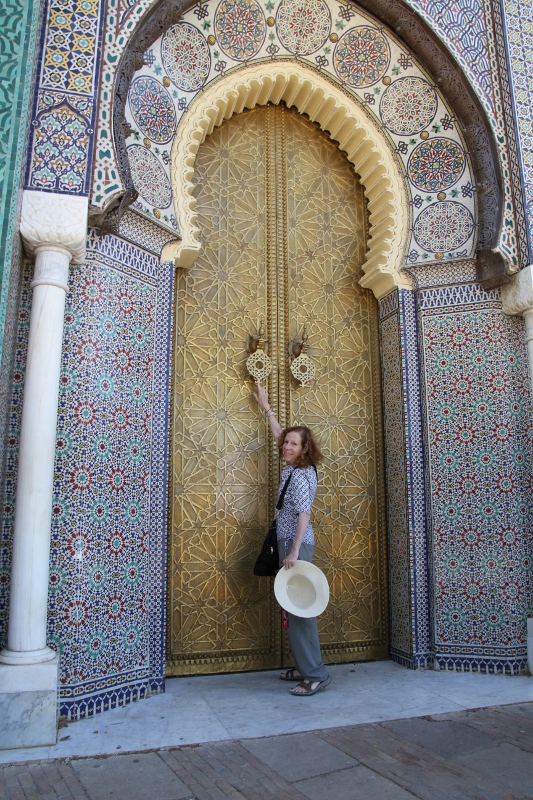
Knocking on the palace door. 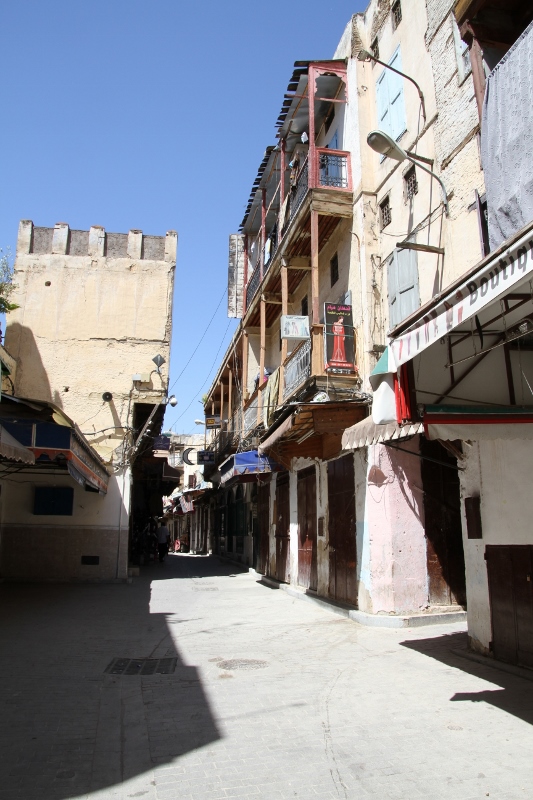
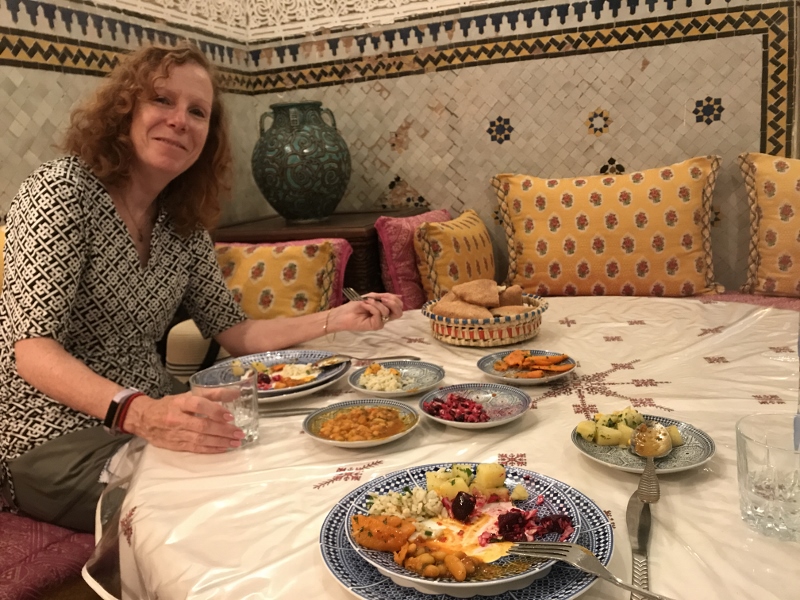
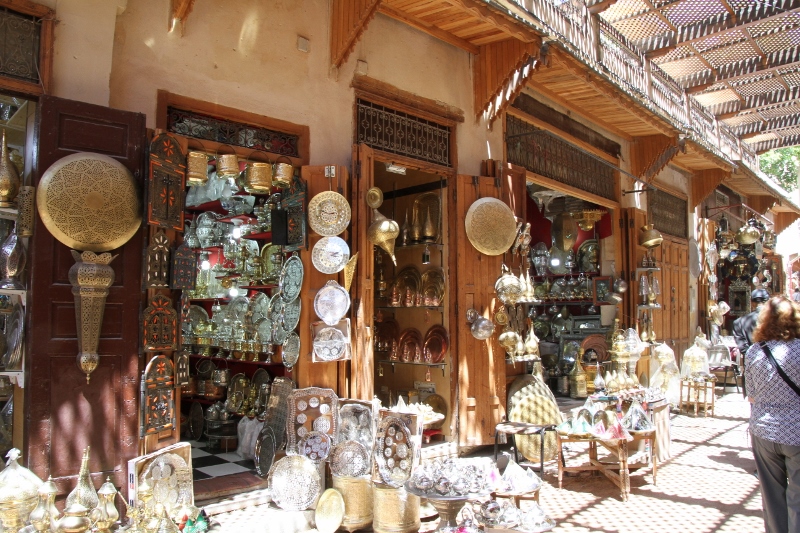
Lunch in the Medina 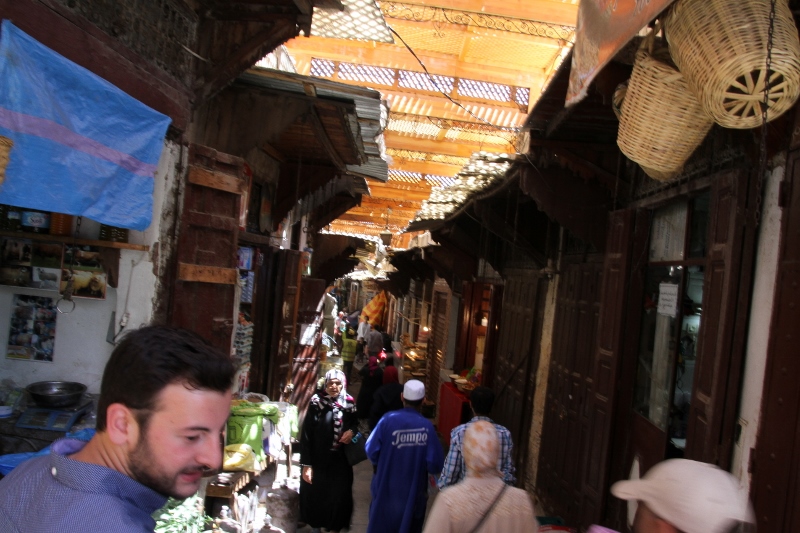
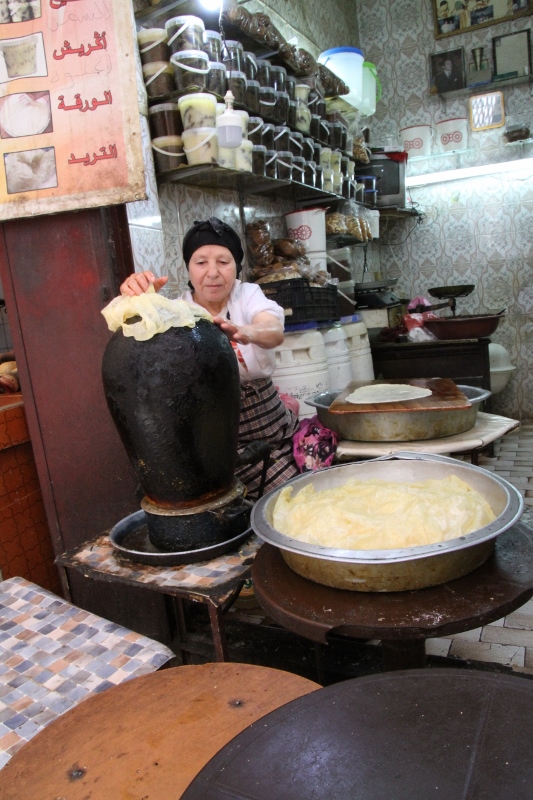
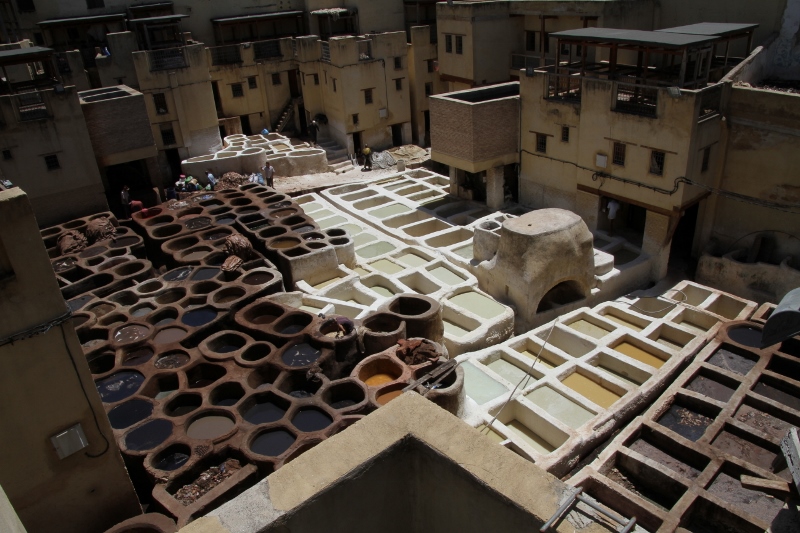
The Tannery 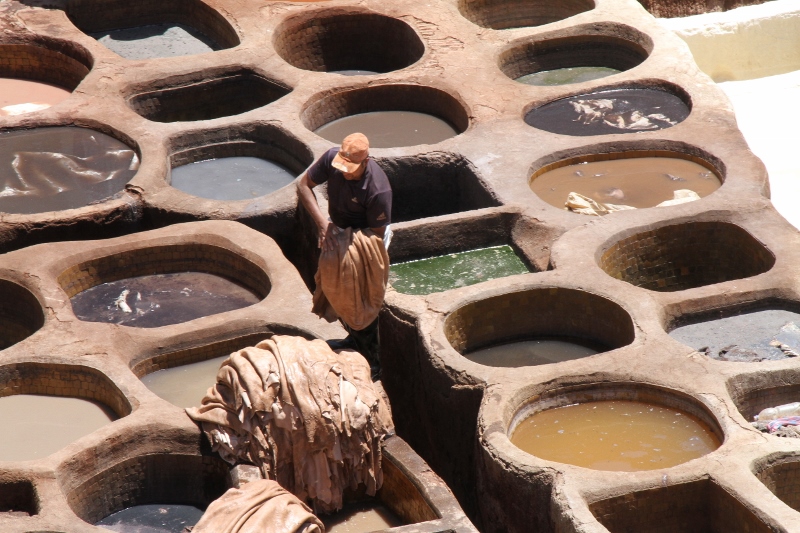
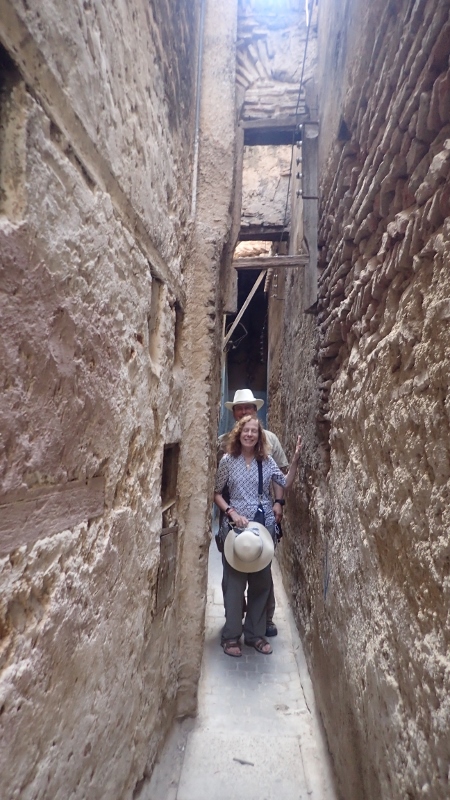
Our guide does not take everyone on this route.
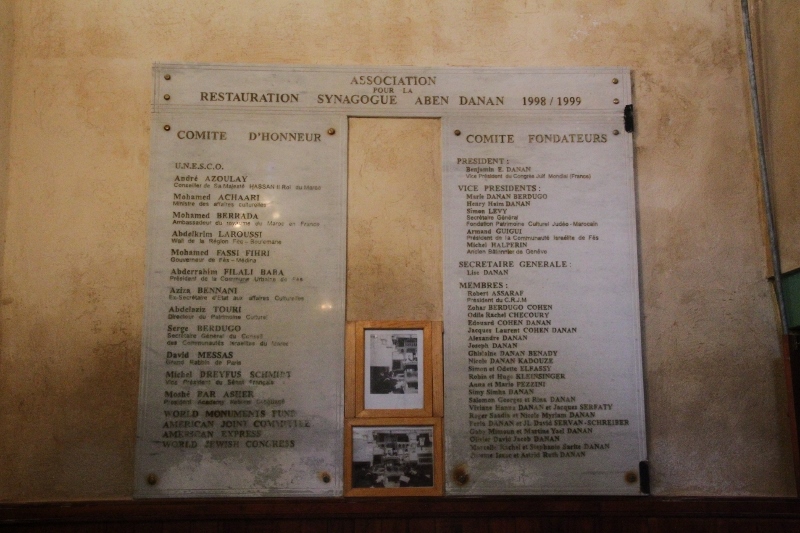
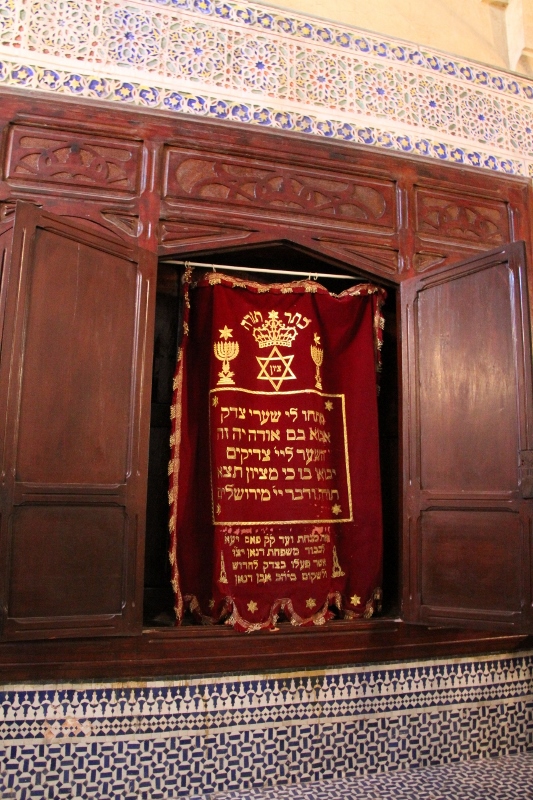
The Jewish quarter of Fes, the Mellah, was built in 1438, near the royal residence. The Jewish population in Fes expanded significantly in the 16th century after the expulsion of Jews from countries in Europe. The Ibn Danan Synagogue is a small, simple synagogue from that period, restored with the help of the World Monuments Fund, American Express, Morocco’s Ministry of Culture and the Judeo-Moroccan cultural Heritage Foundation.
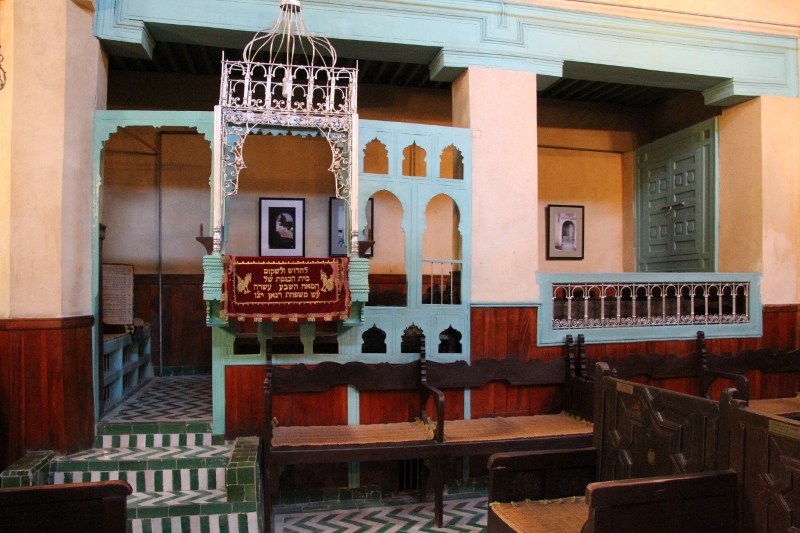
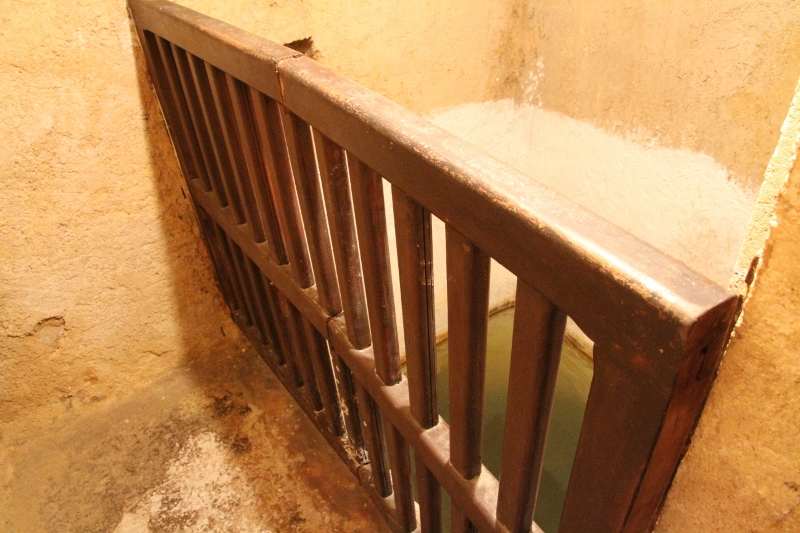
Stairs to the Mikva 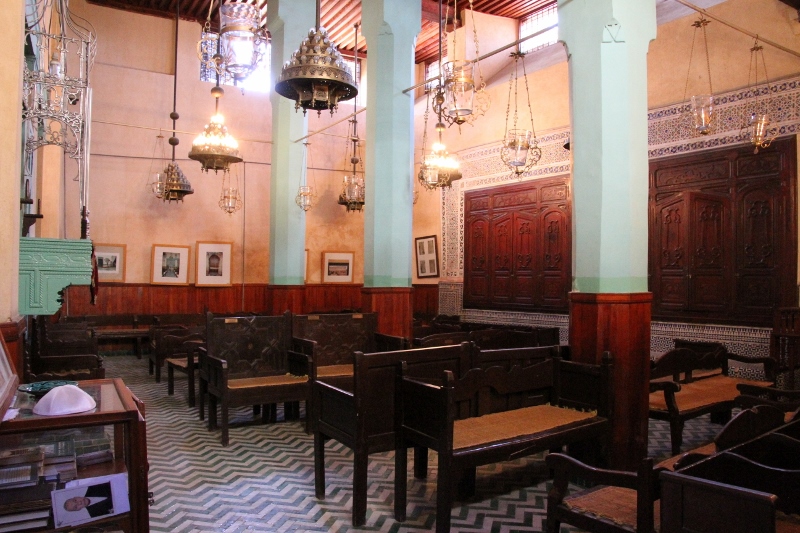
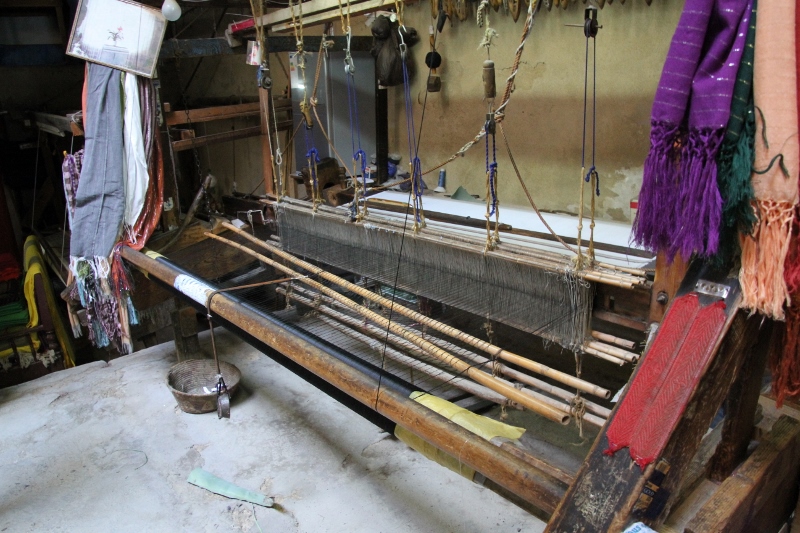
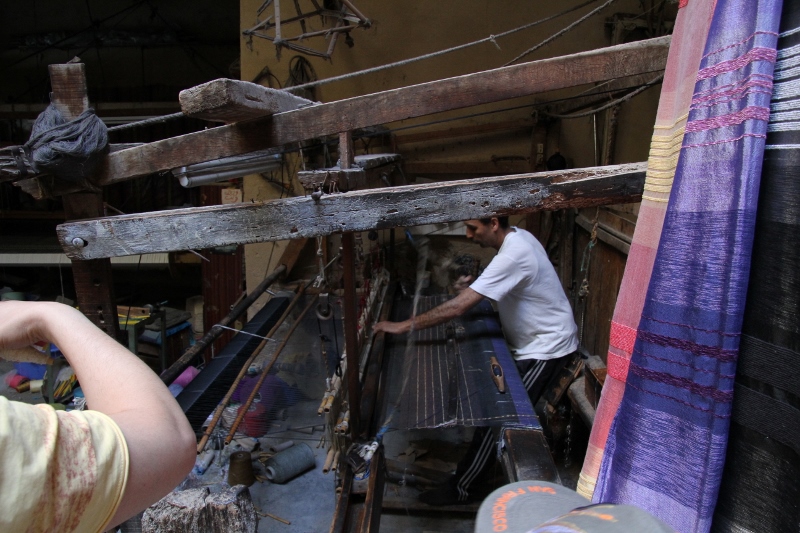
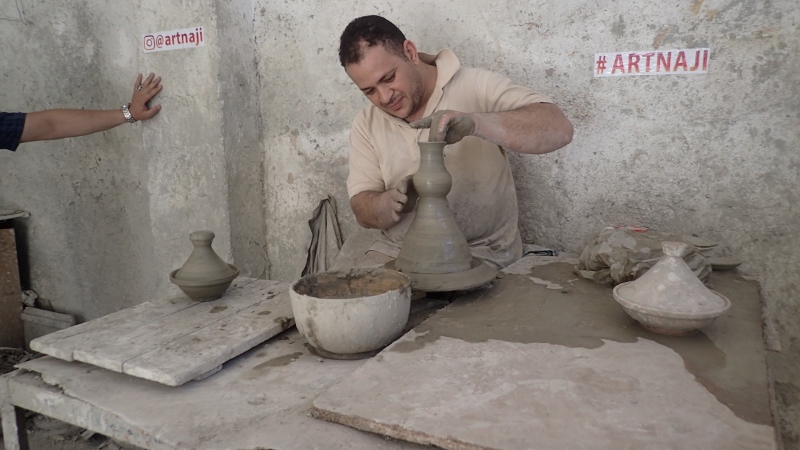
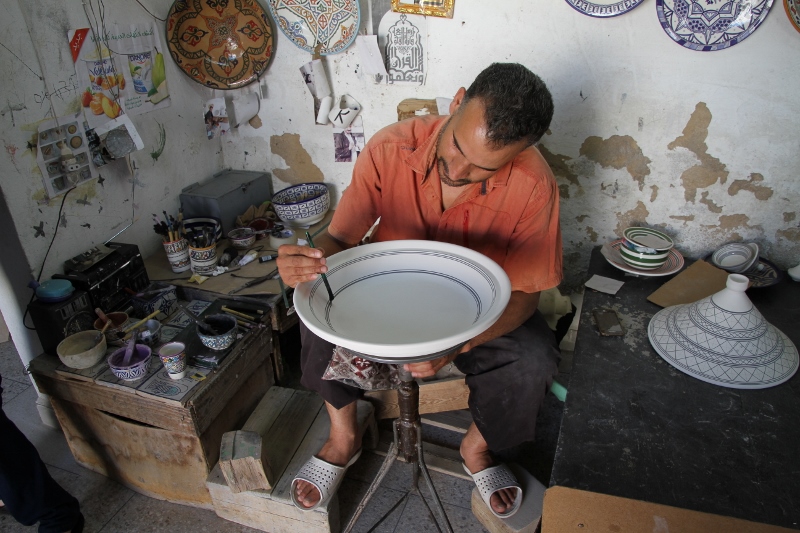
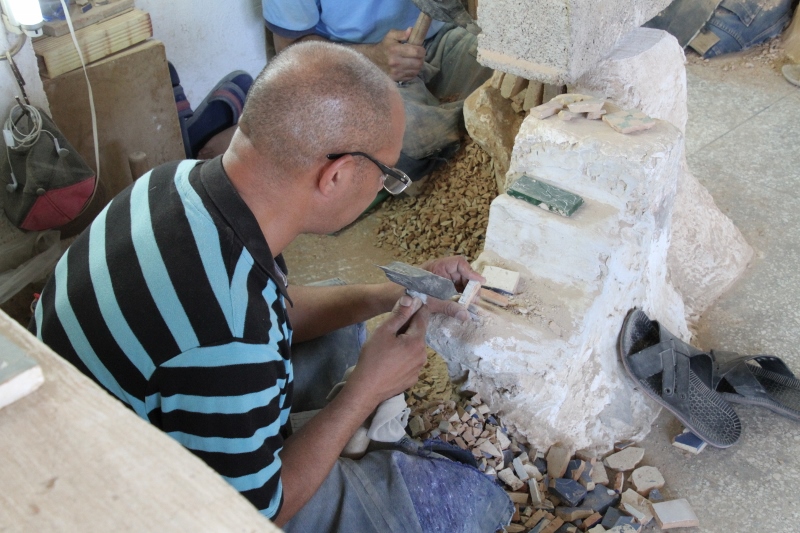
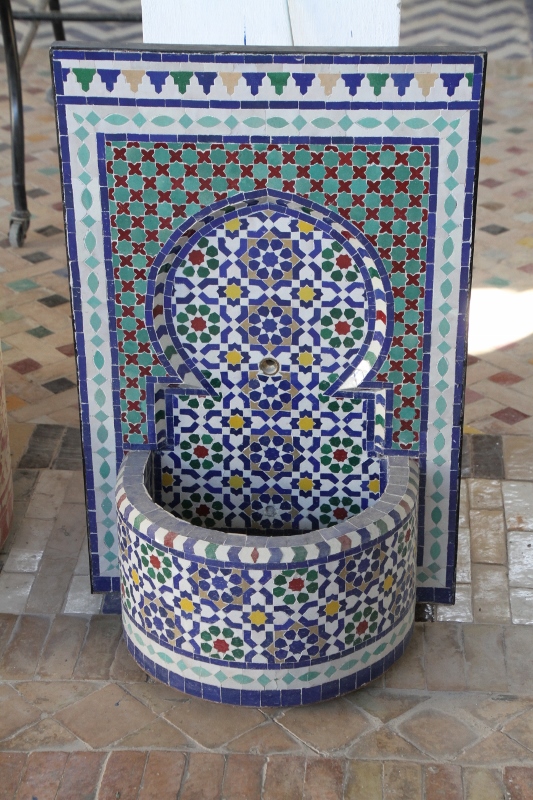
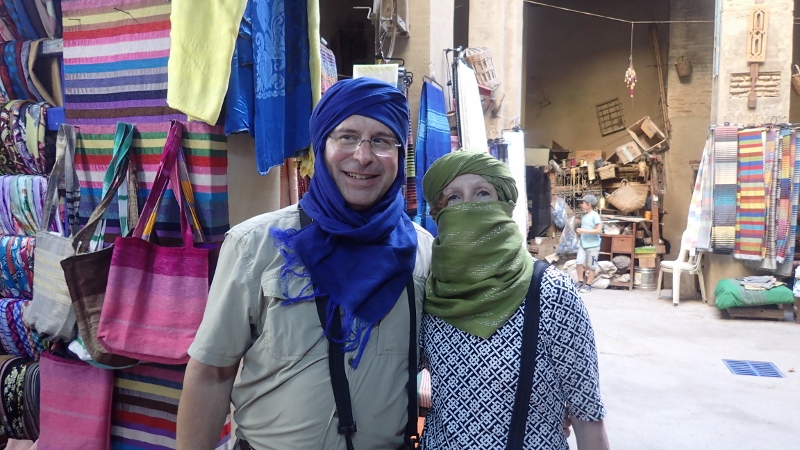
In addition to the Tannery, Fes has many craftsmen working at rugs, weaving and pottery. We visited many of these and helped the local economy.
Volubilis
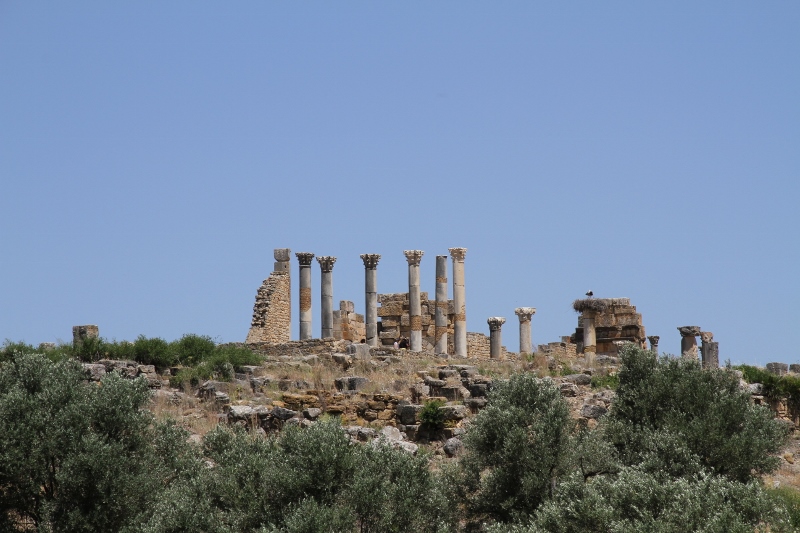
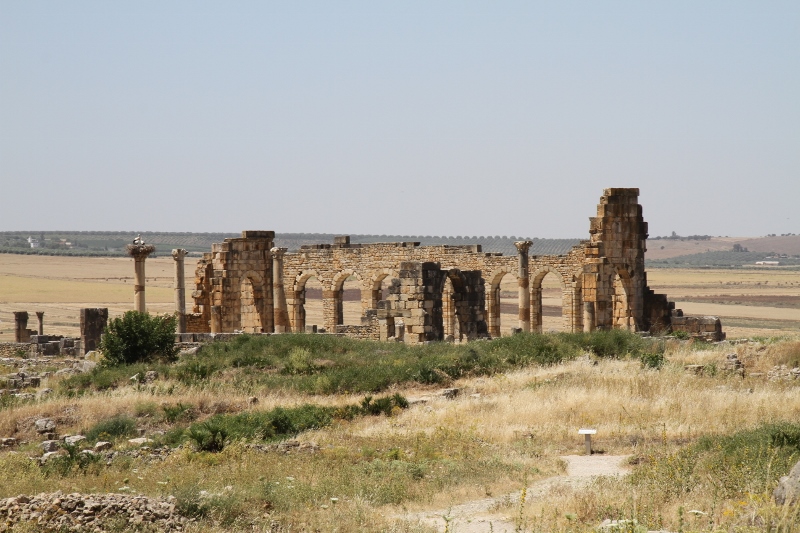
About an hour outside of Fes is the ancient city of Volubilis. Developed from the 3rd century BC as a Berber city, it flourished later under Roman rule until the 3rd century when it was abandoned by Rome. It has many fine mosaics and prominent public buildings. Today it is a World Heritage site listed for being an exceptionally well-preserved example of a large Roman colonial town on the fringes of the Empire.
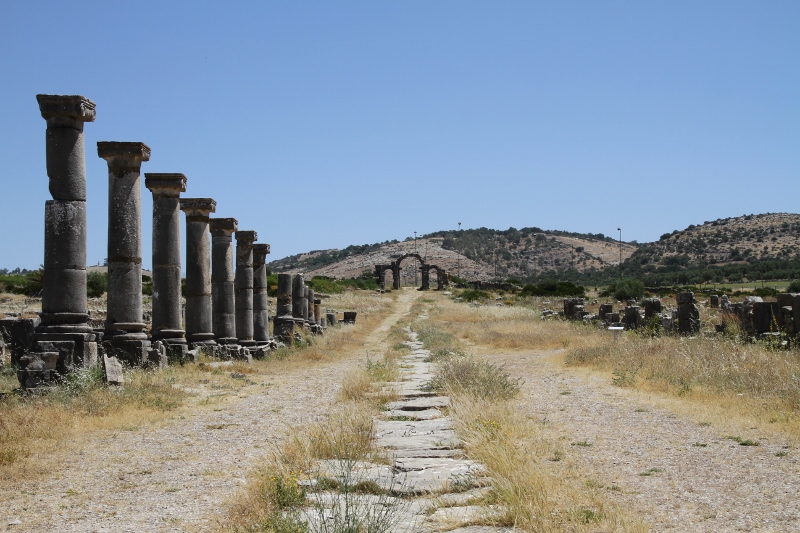
City entrance 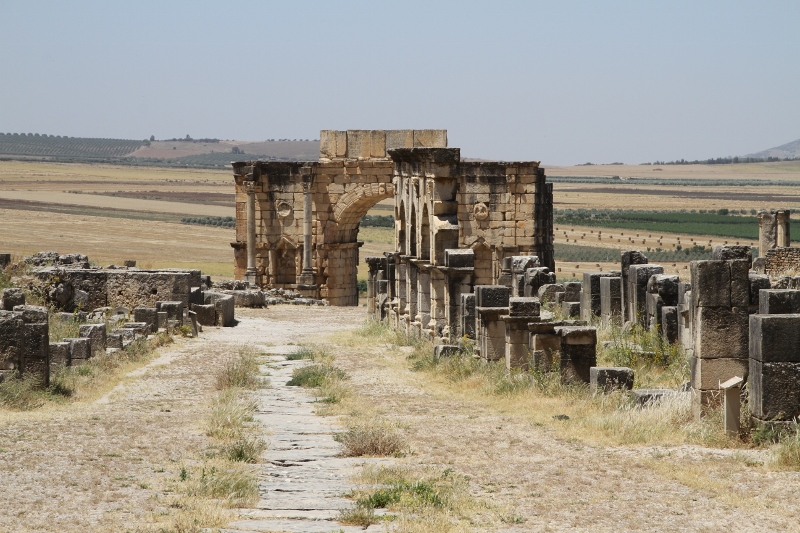
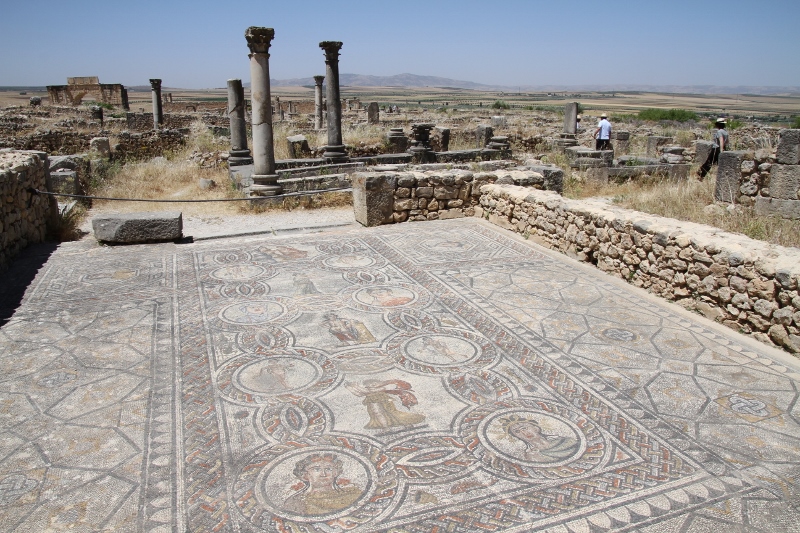
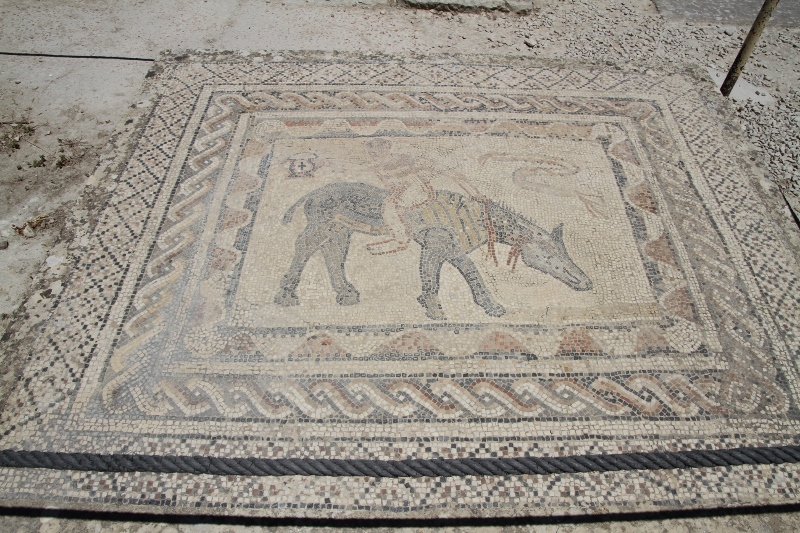
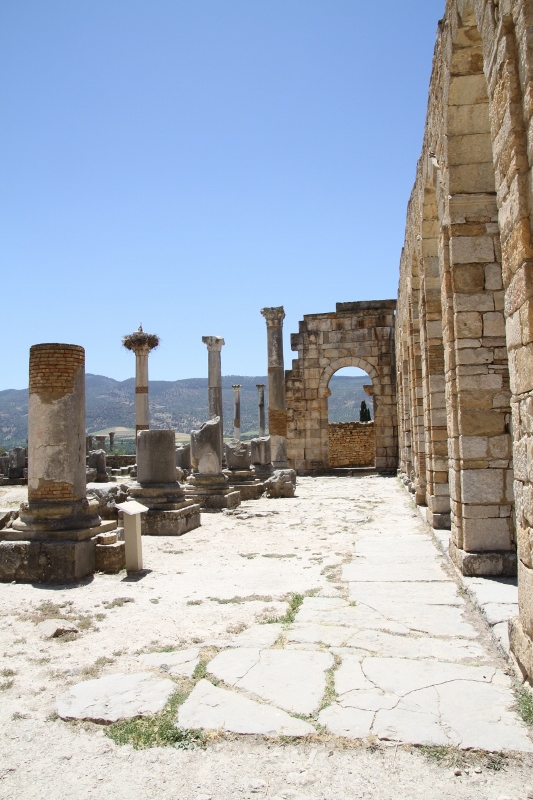
The Bisilica 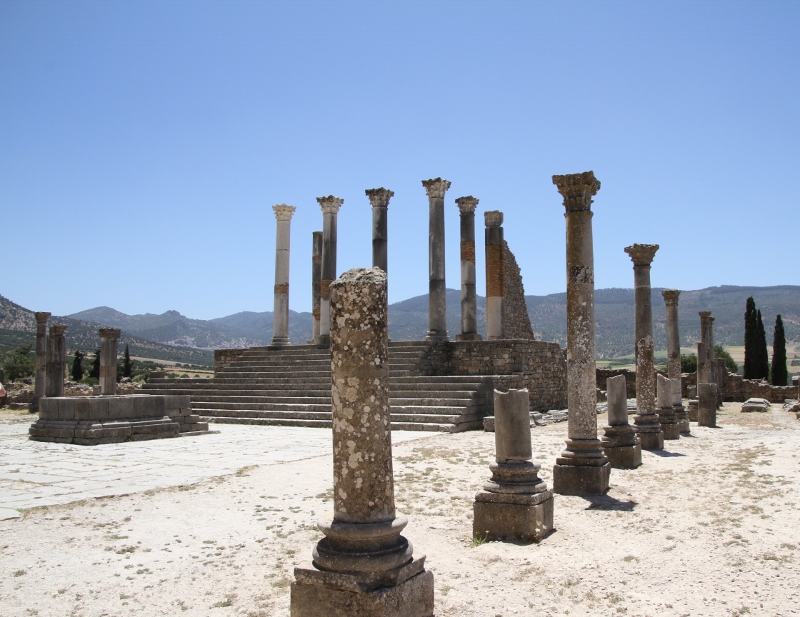
Temple of Jupiter 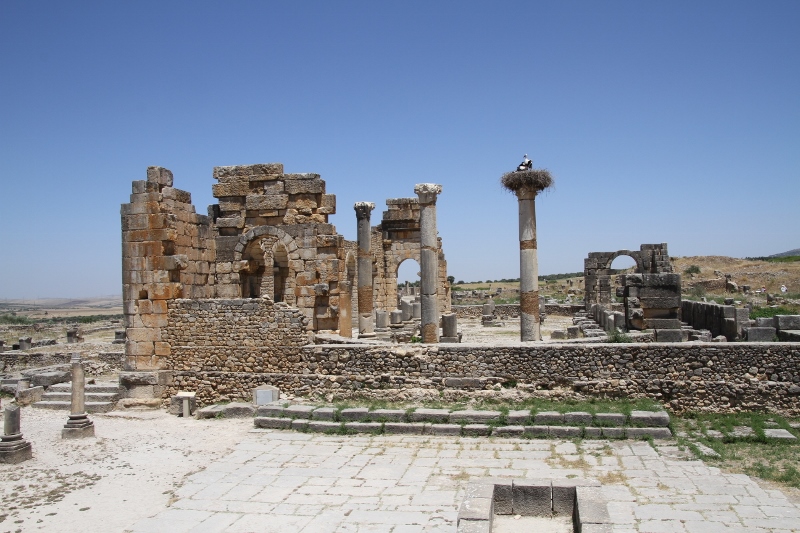
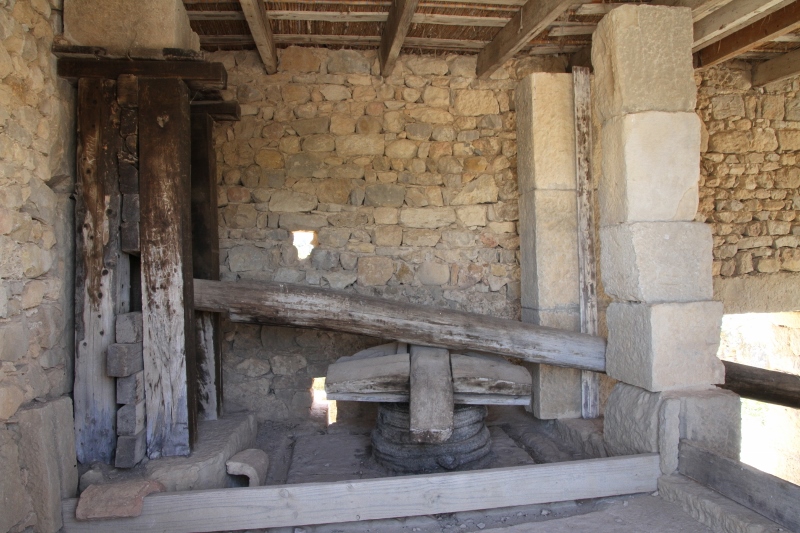
An olive press
Meknes
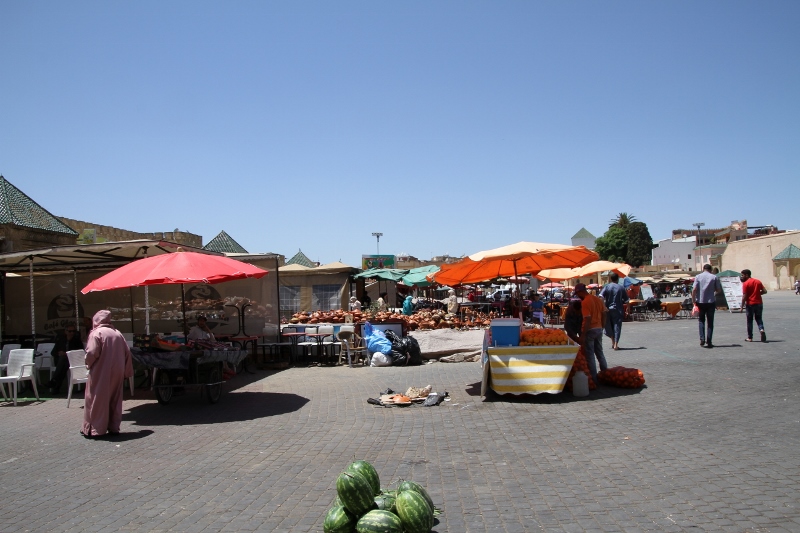
This is the fourth of the imperial cities of Morocco (Rabat, Fes and Marrakesh being the other three). Meknes, founded in the 11th century by the Almoravids as a military settlement, became capital of Morocco under the reign of Sultan Moulay Ismail. Moulay Ismail turned Meknes into an impressive city in Spanish-Moorish style, surrounded by high walls with great doors, where the harmonious blending of the Islamic and European styles of the 17th century is still evident today. There is a great square for the market and a palace with a granary and stable, Heri es-Souani, for over 12,000 horses.
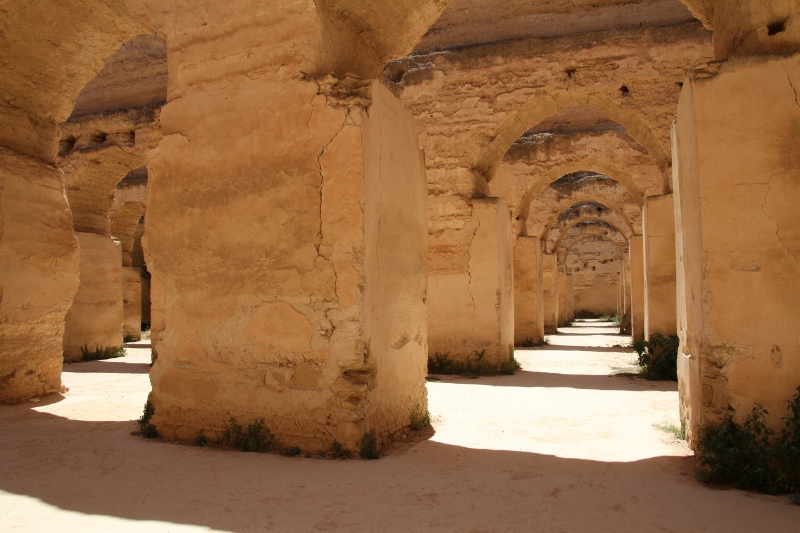
The stables 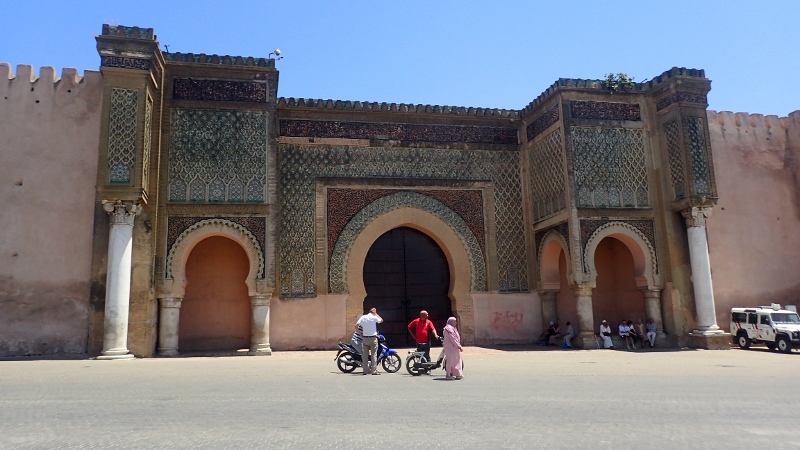
Marrakesh
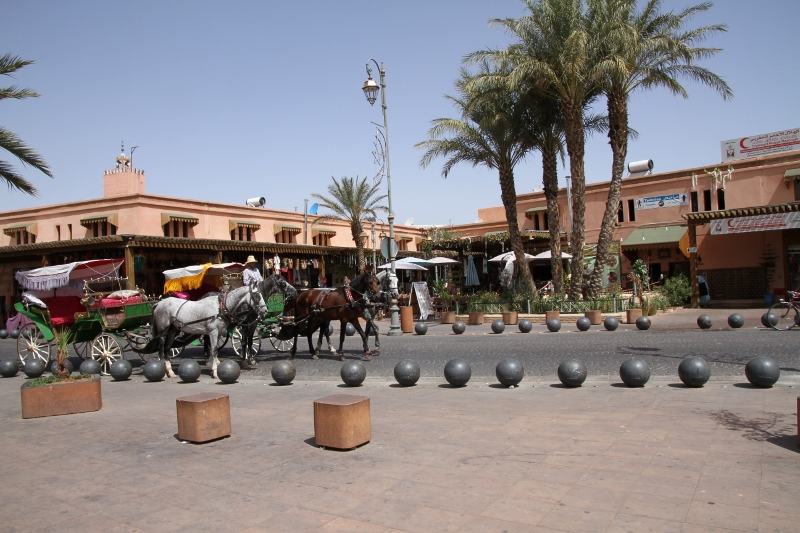
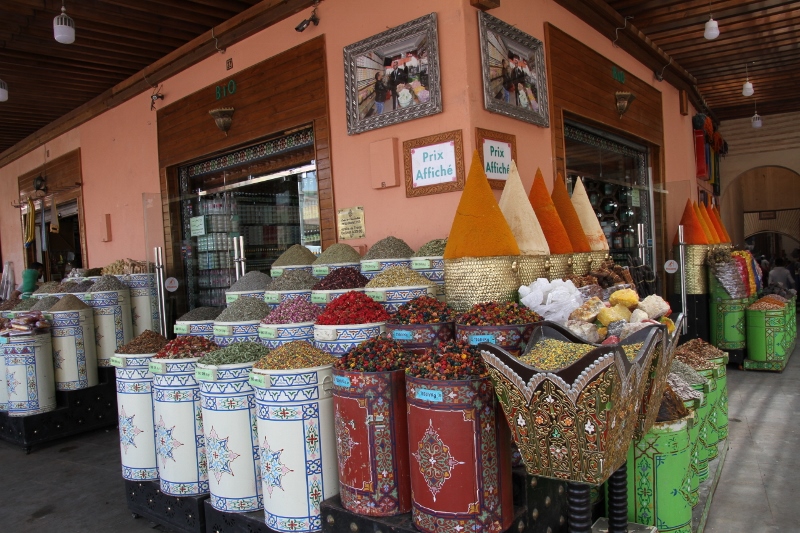
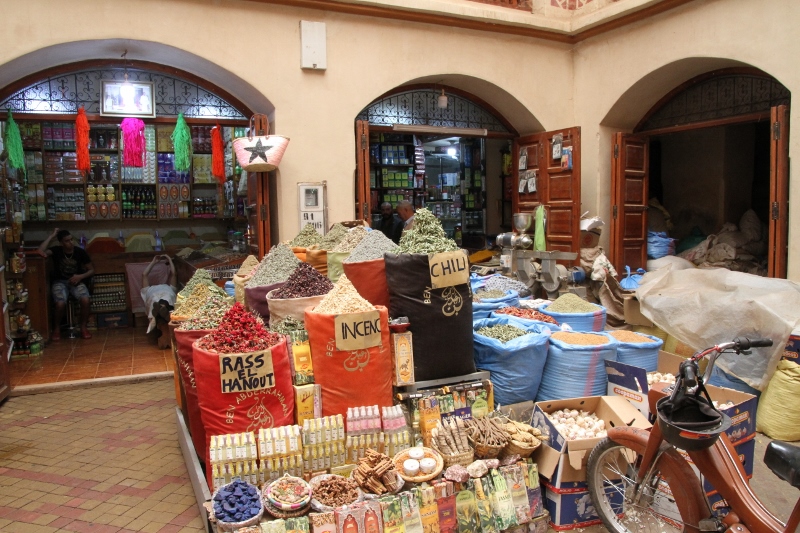
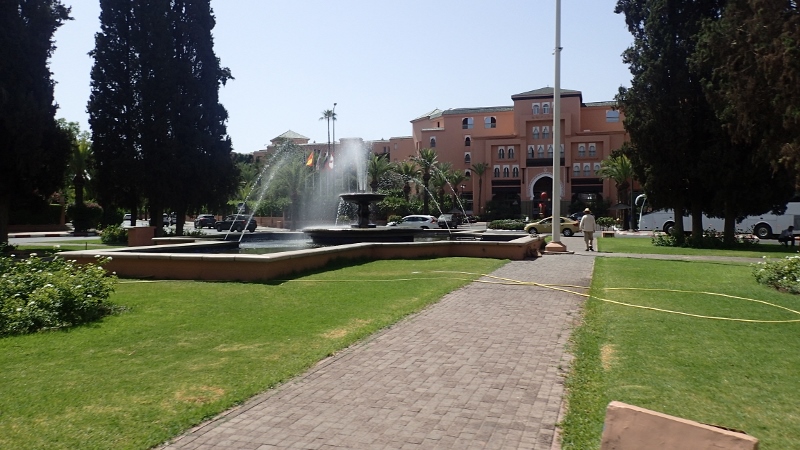
Founded in the 11th century the area has been inhabited by Berber farmers since Neolithic times. Marrakesh is the largest tourist destination in Morocco. Our guide, Hamza, mentioned he moved here three years ago because this was where the tour business is. There is a mixture of the old and new here. Like the other cities we visited there is a Medina packed with vendors and their stalls. But there are also more modern buildings with new hotels and more in process of construction.
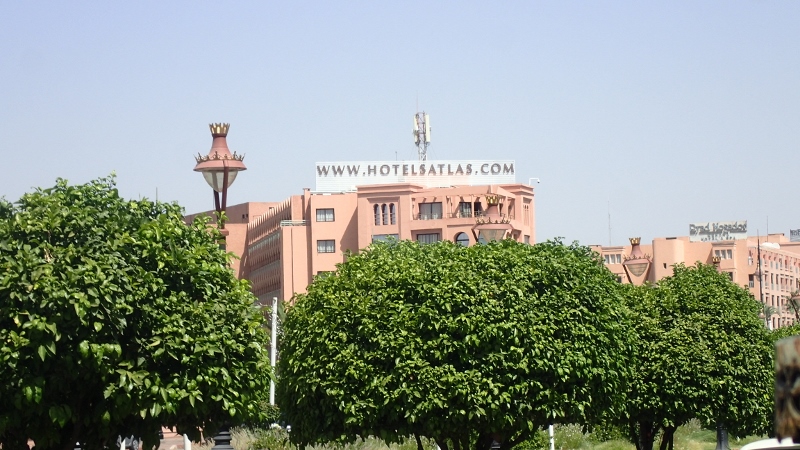
This is for Laurie. 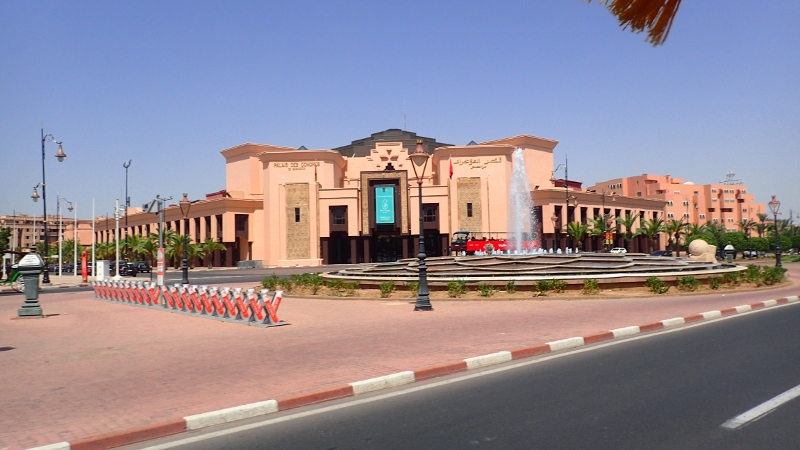
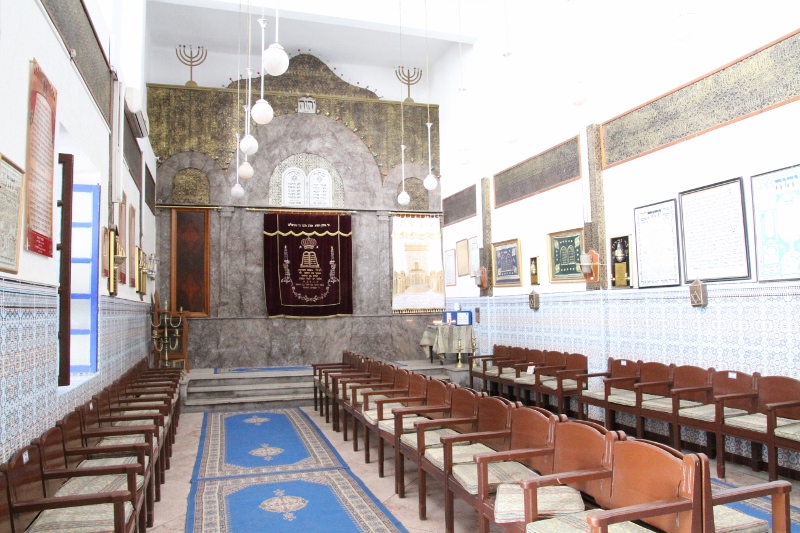
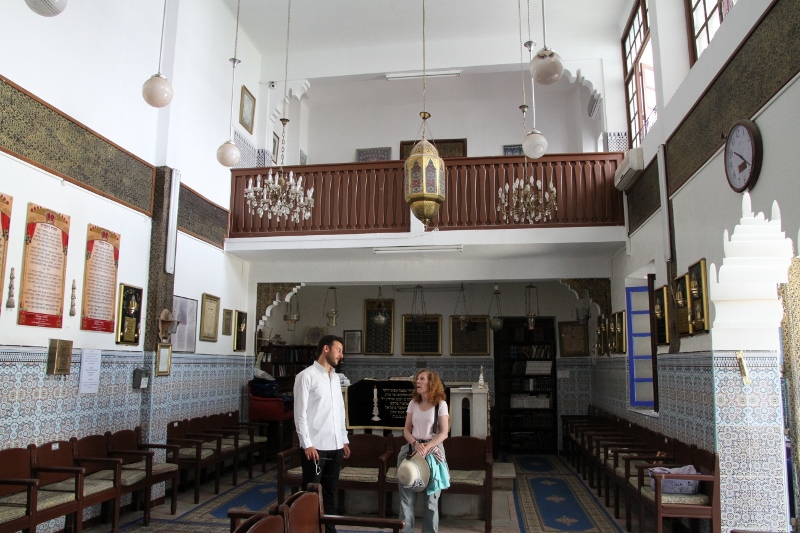
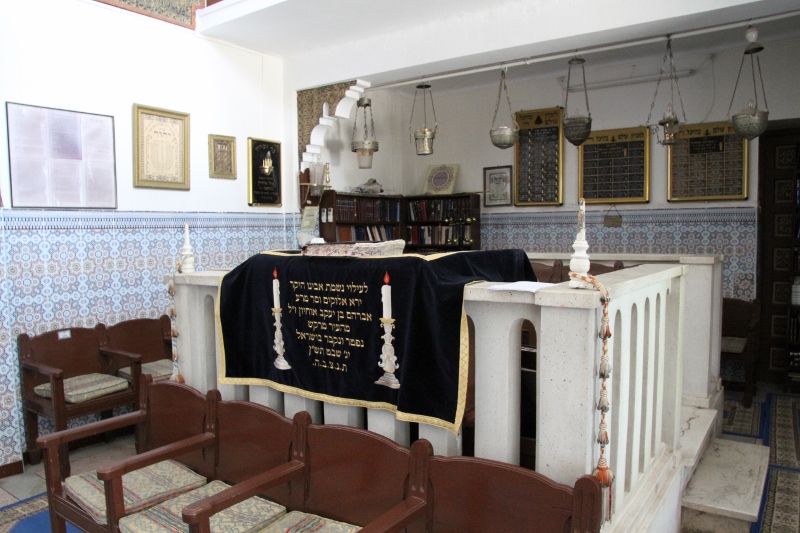
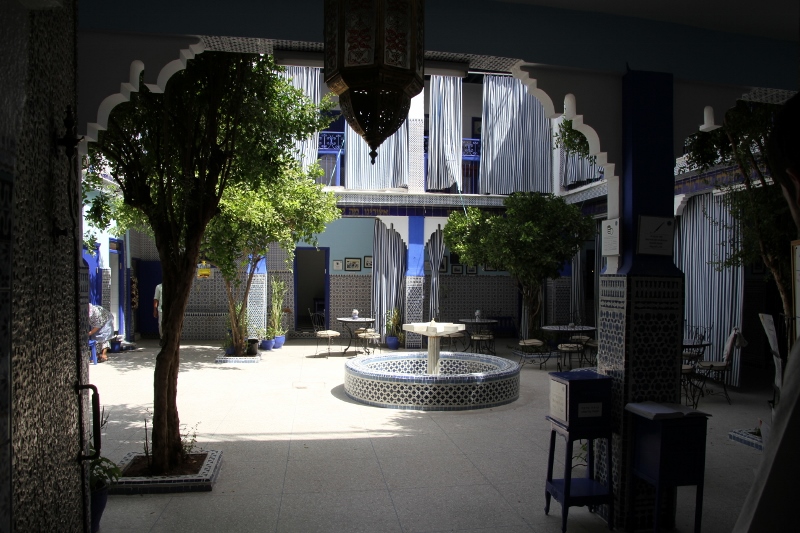
Here the Mellah, Jewish Quarter was created in the 16th Century at the site where the sultan’s stables were previously located. Here we visited the refurbished Slat El-Azama Synagogue, built by Jews expelled from Spain in 1492.
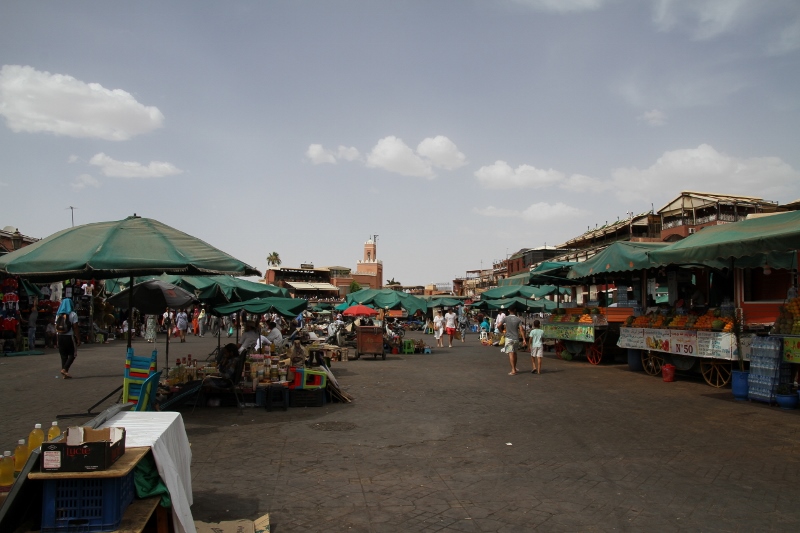
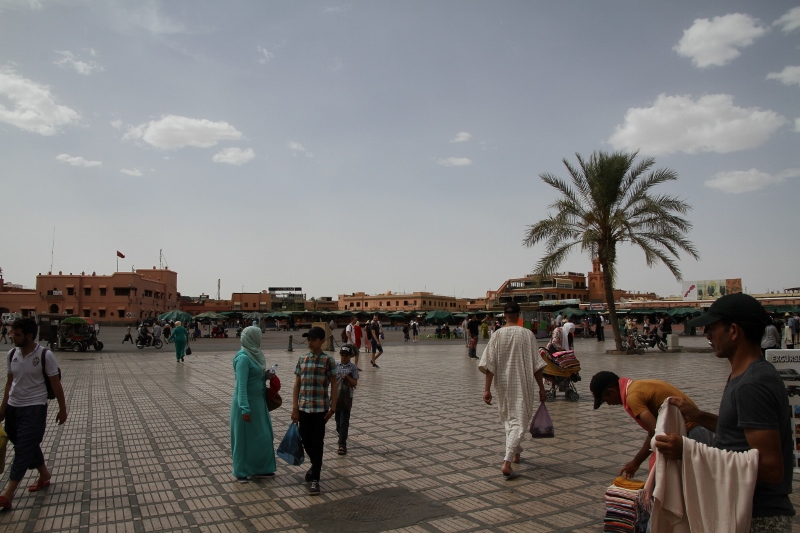
The heart of the city is the Jemaa el-Fnaa, the main square. Here are snake charmers, monkeys and other entertainers with countless stalls with various fruits and culinary delights.
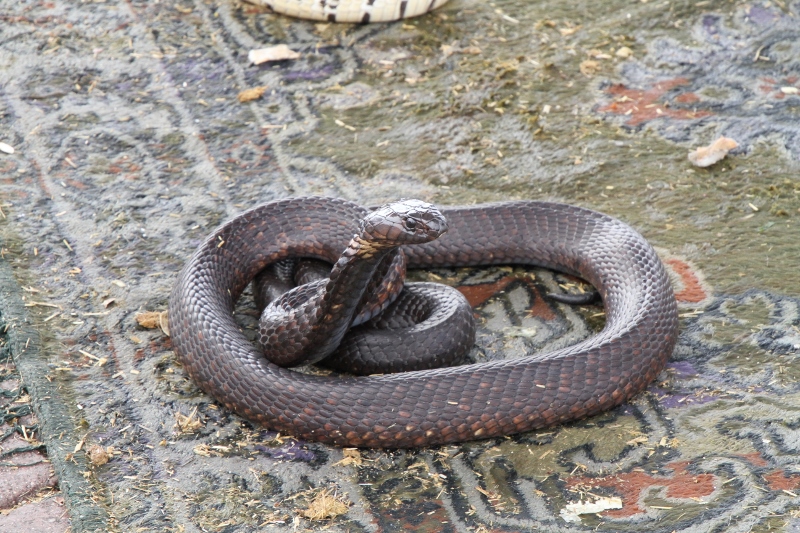
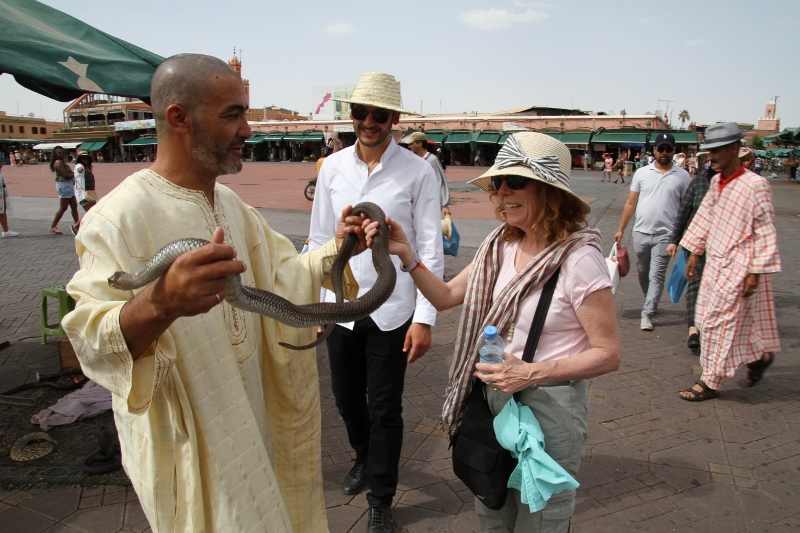
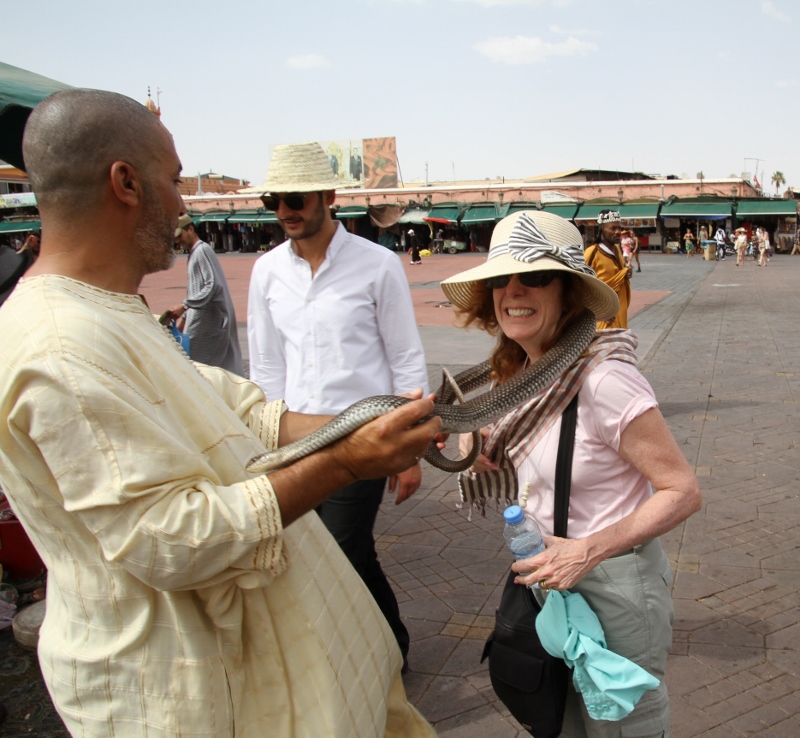
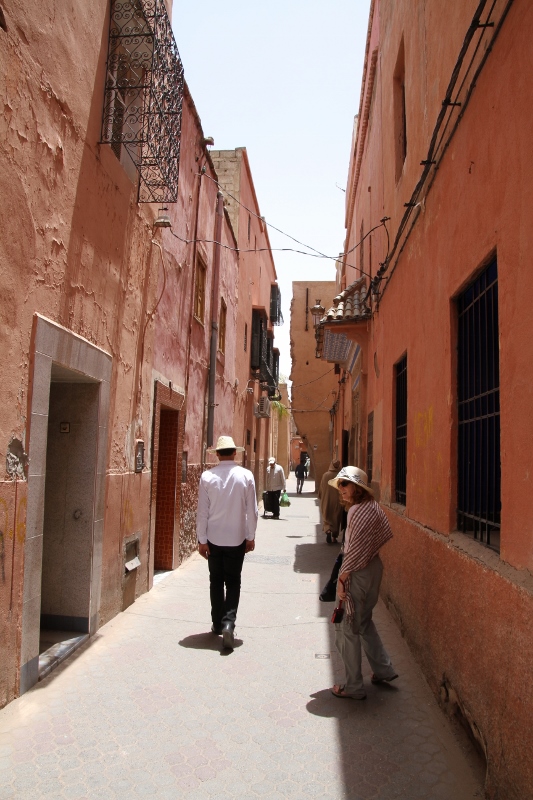
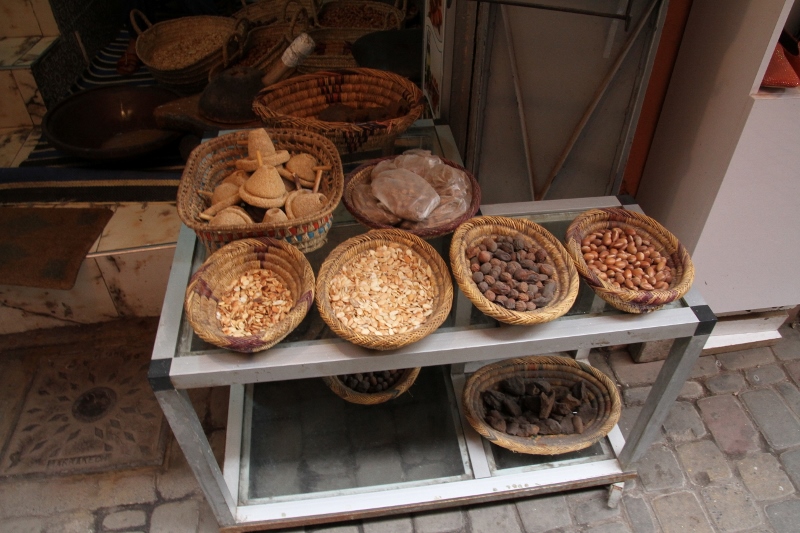
We wondered through the souk looking for hidden treasure in the many vendor’s stalls.
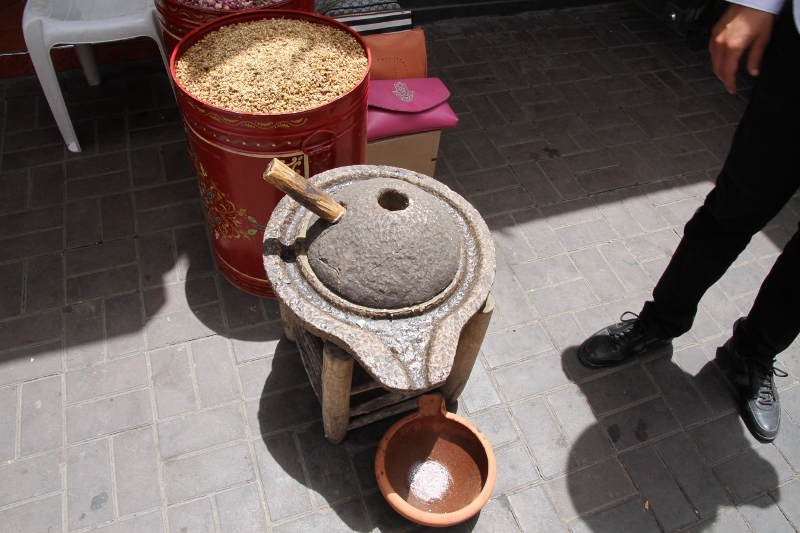
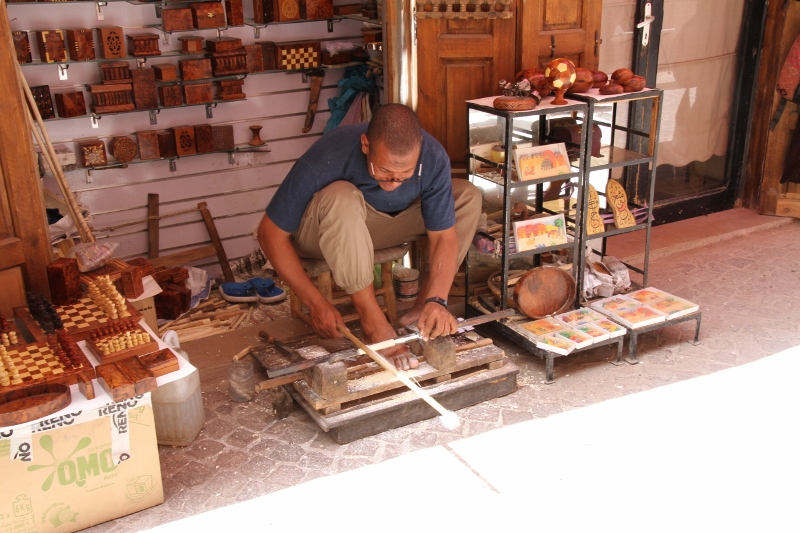
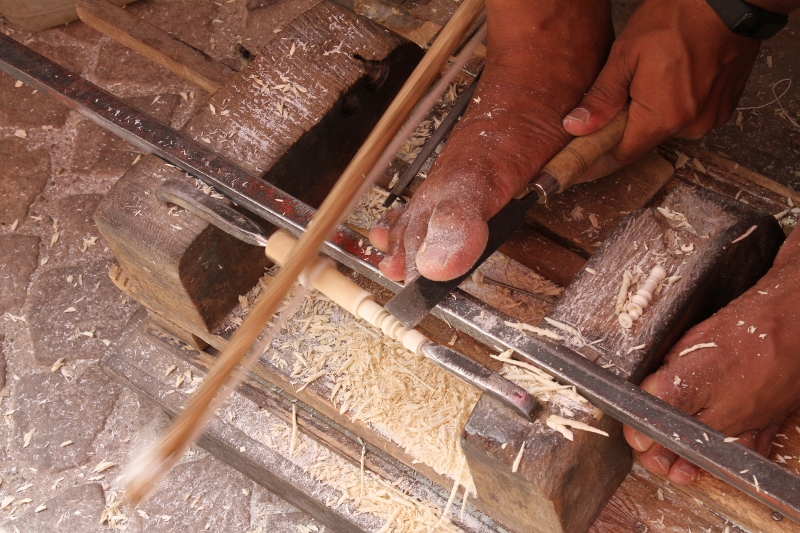
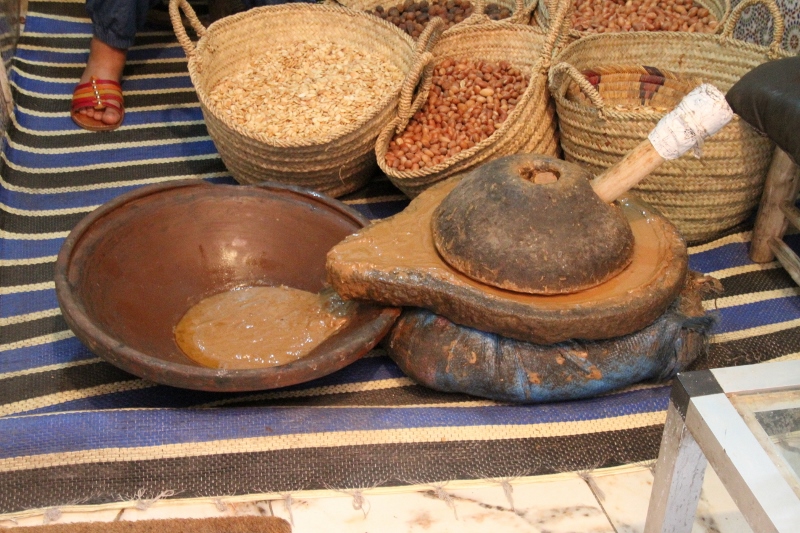
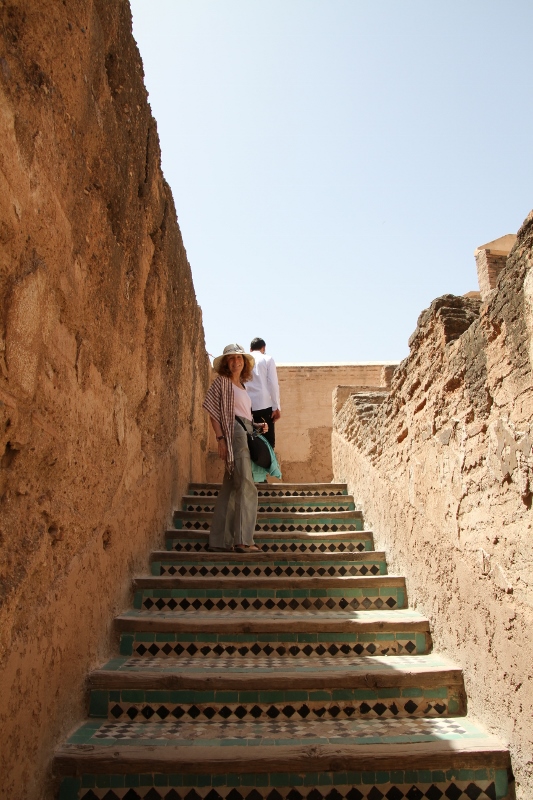
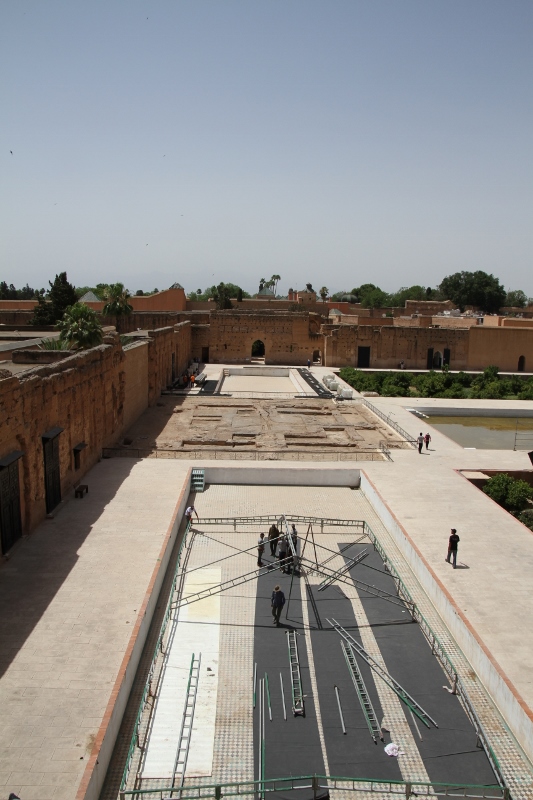
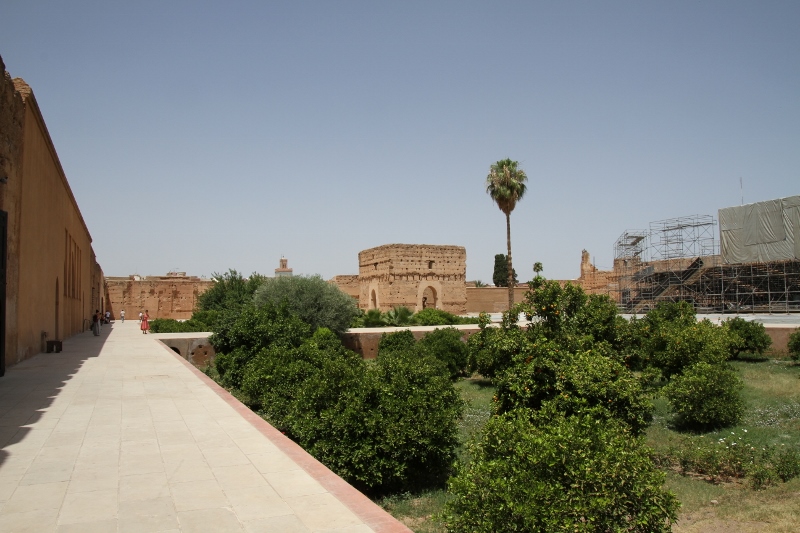
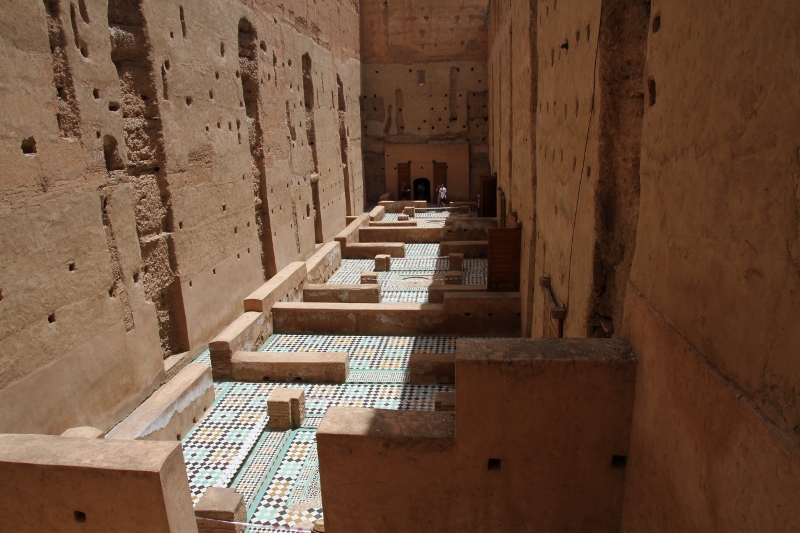
The El Badi Palace was built in the 16th century but was stripped of much that once made it so grand for the sultan’s successor’s palace in Meknes. The site contains many interesting artifacts from the period and a museum with exhibits such as a restored 12th century minbar (seat of the imam) built in Cordoba Spain and considered a masterpiece of Andalusian-Maghrebian art.
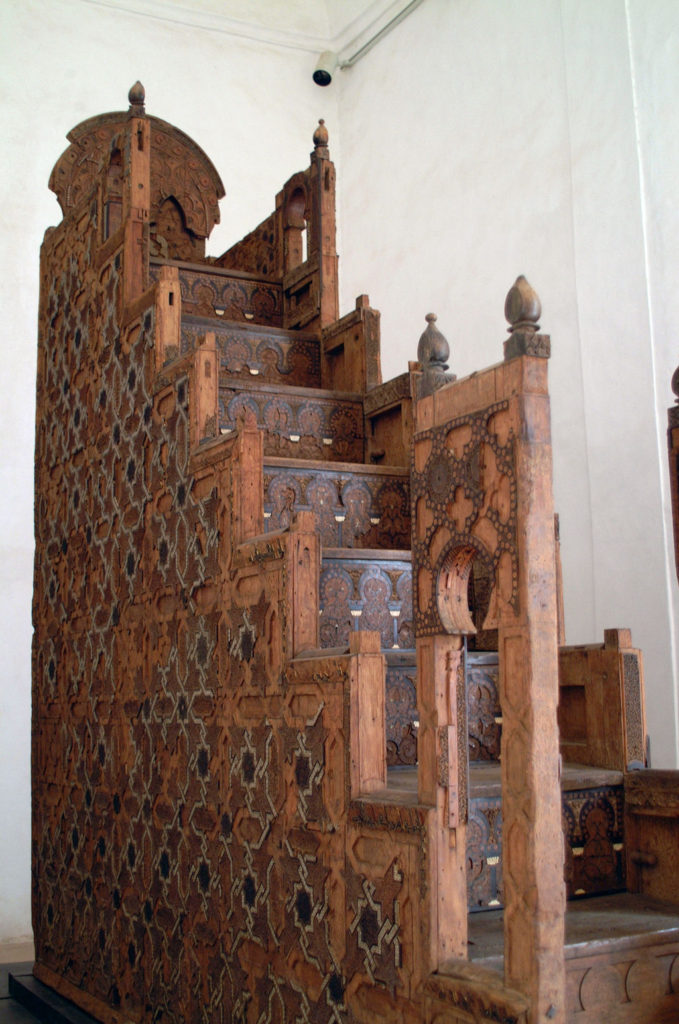
Minbar 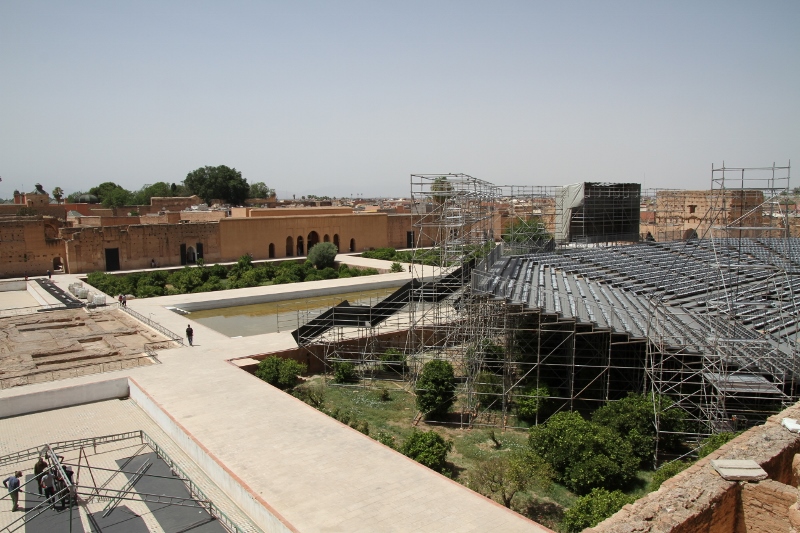
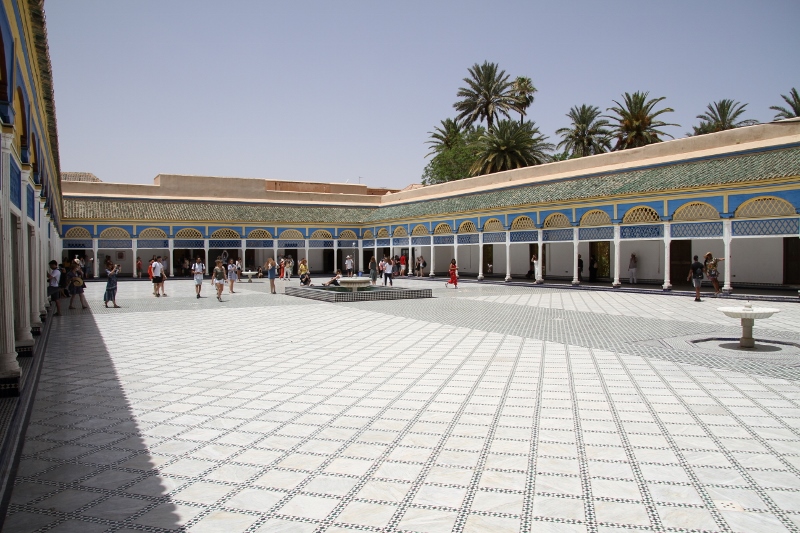
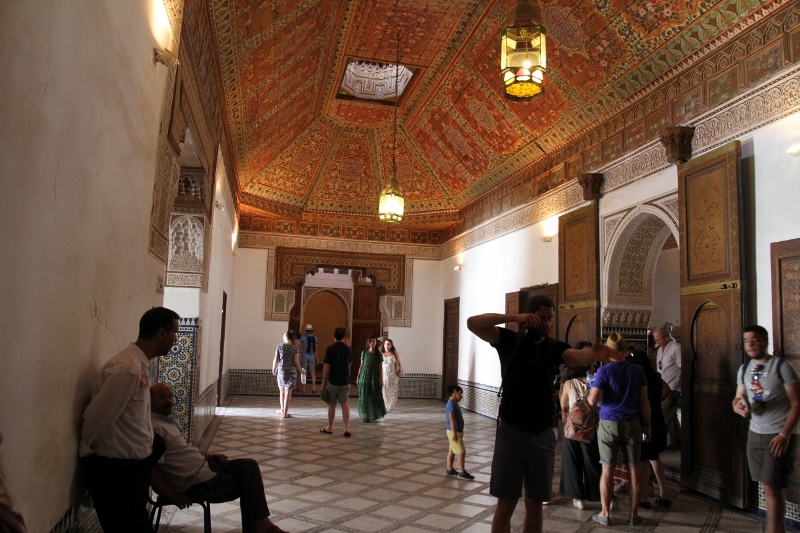
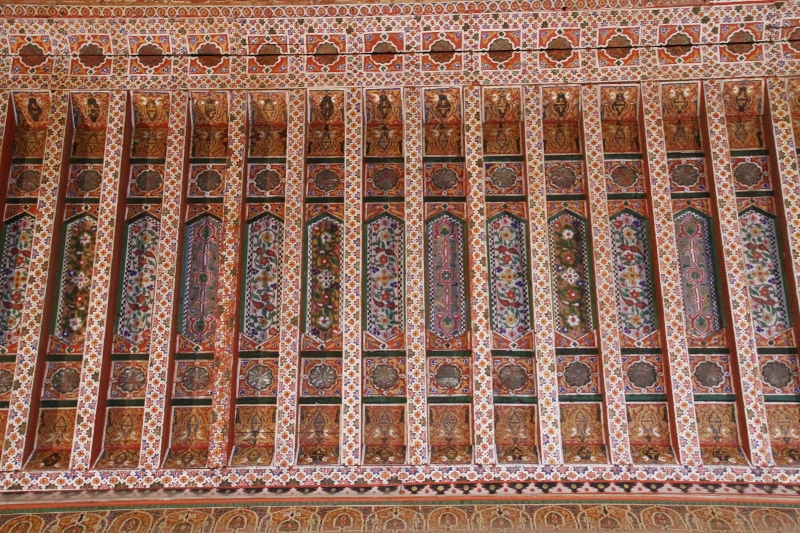
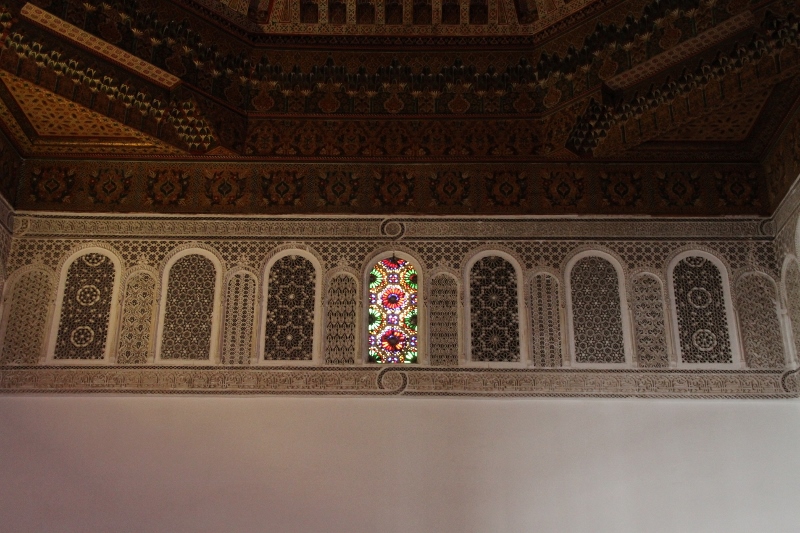
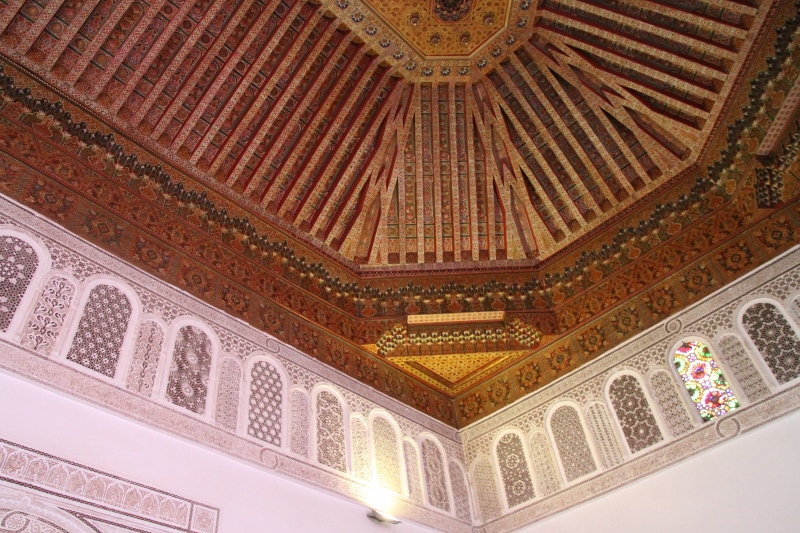
The Bahai Palace, built in the 19th century by Si Moussa, grand vizier of the sultan, for his personal use. It is a series of riads, one for each wife, along with a harem for his 24 concubines. There are also additional rooms for administrative affairs and a mosque. The building was used by the French as headquarters during the protectorate.
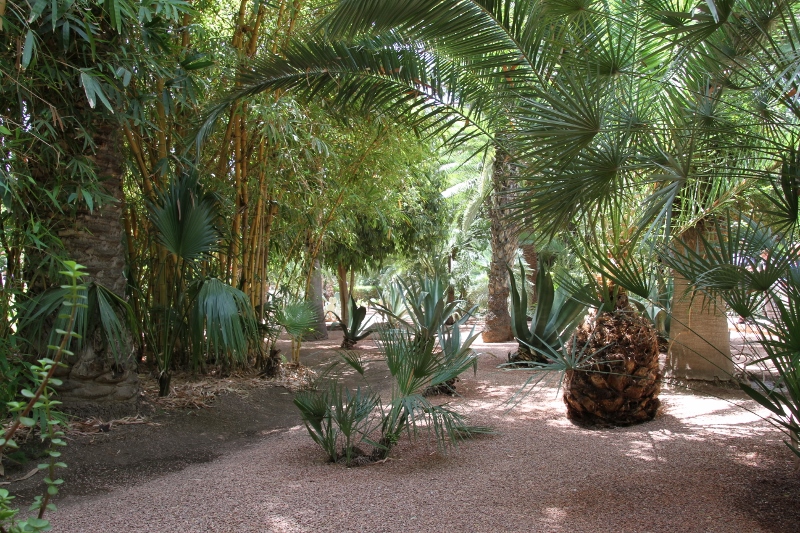
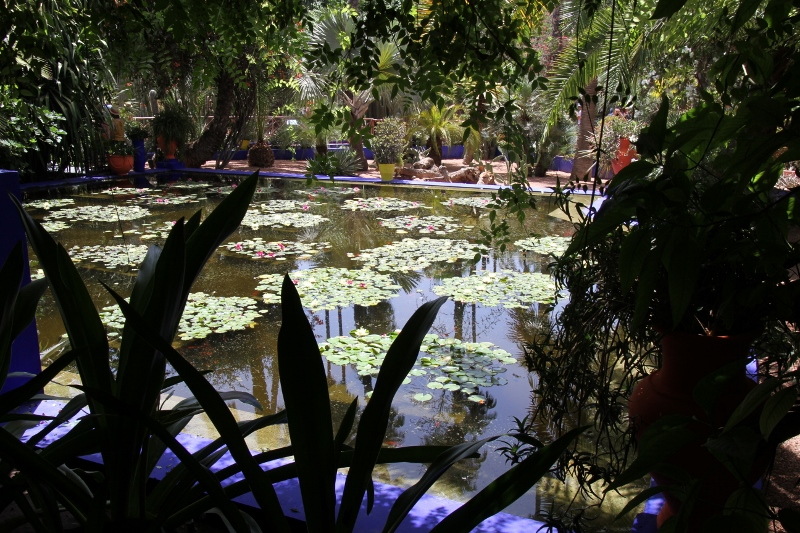
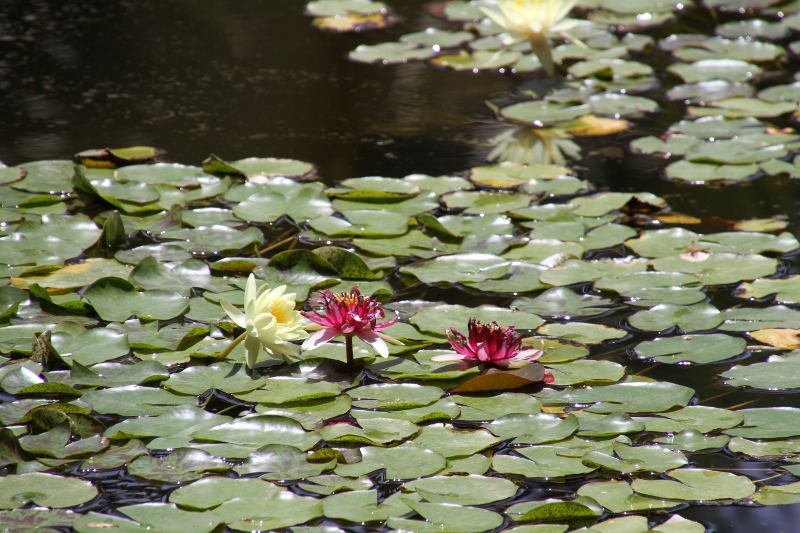
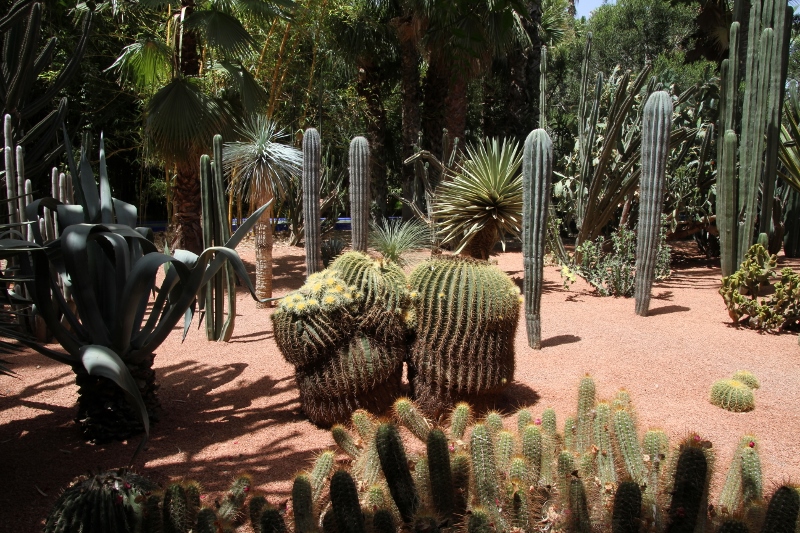
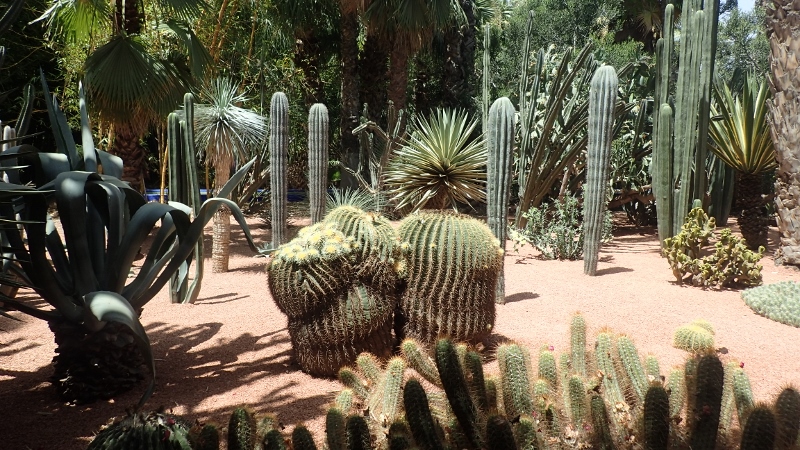
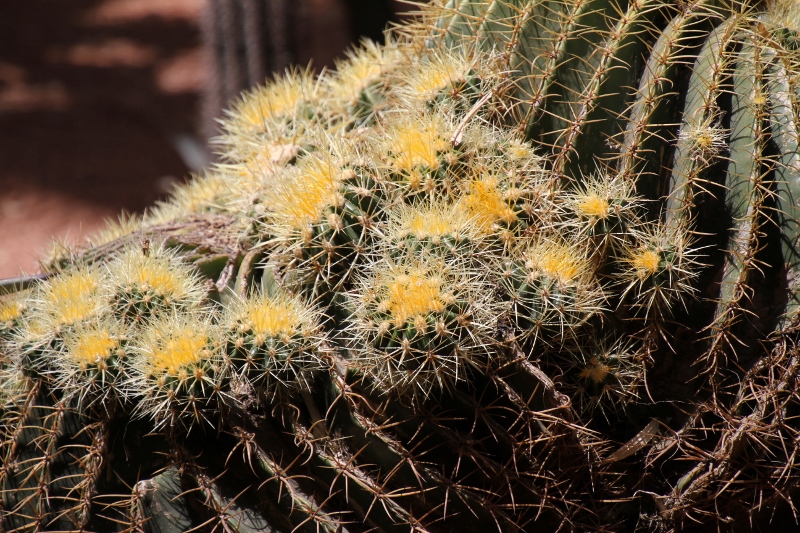
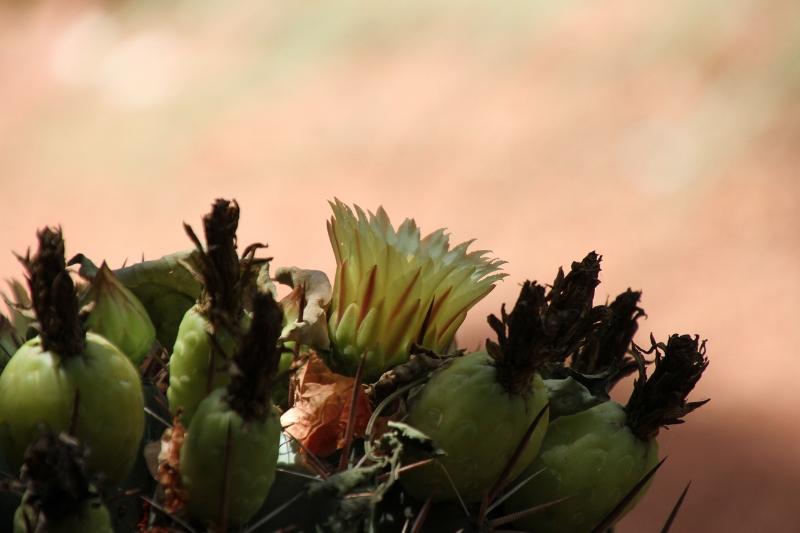
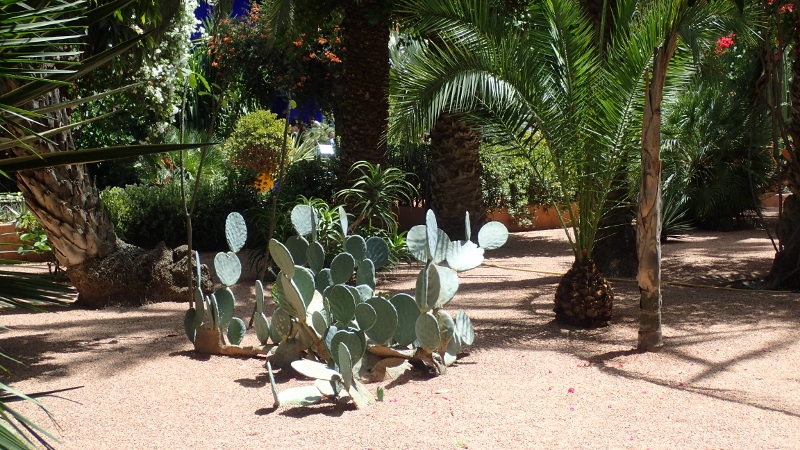
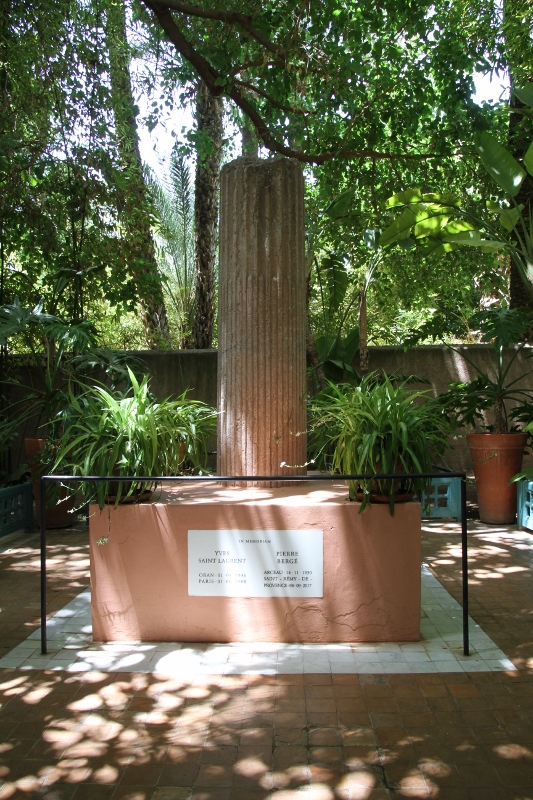
The Jardin Marjorelle is one of the most visited sites in Marrakesh. 4 acres of the garden, adjacent to a home owned by Yve Saint Laurent, are available for public viewing along with a museum of Berber culture. There is also a monument to Yve Saint Laurent, as this is where his ashes were scattered.
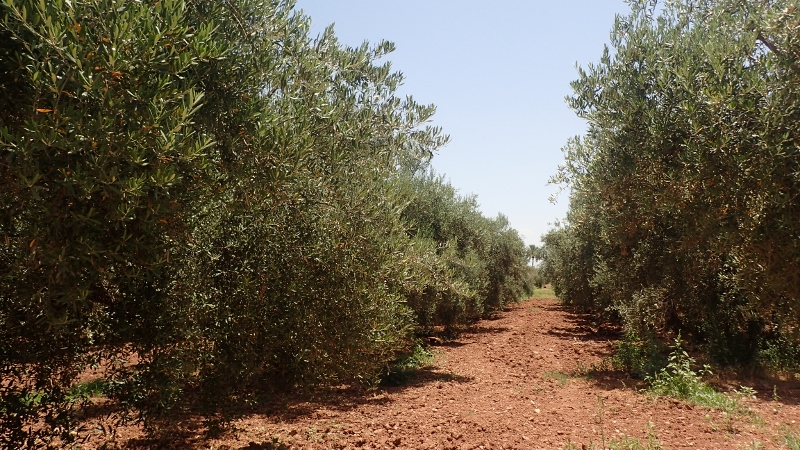
Olive trees 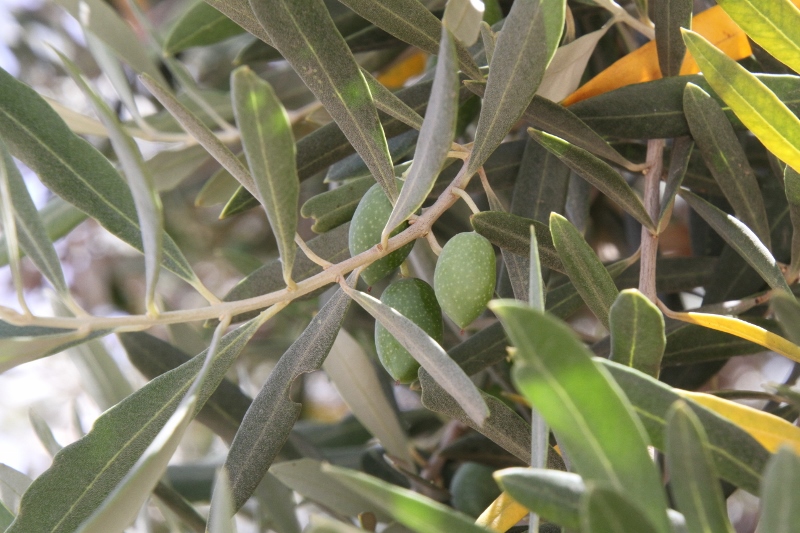
A Berber Village
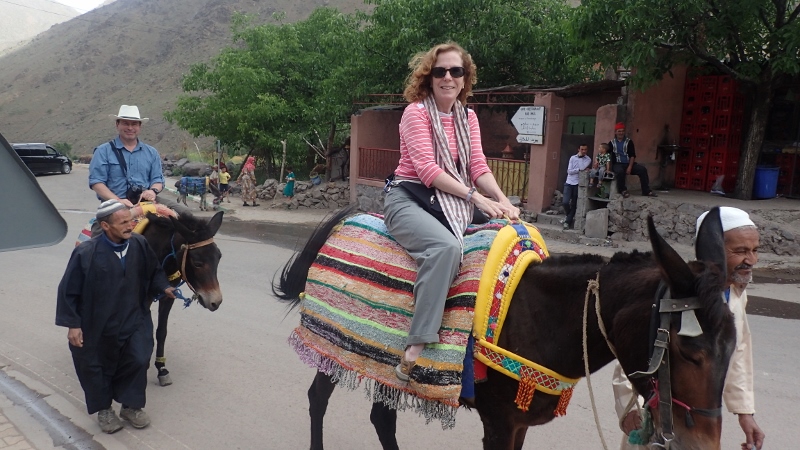
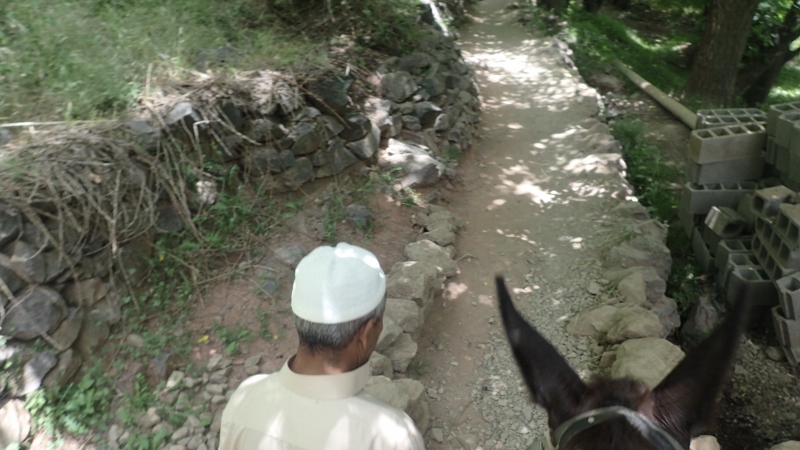
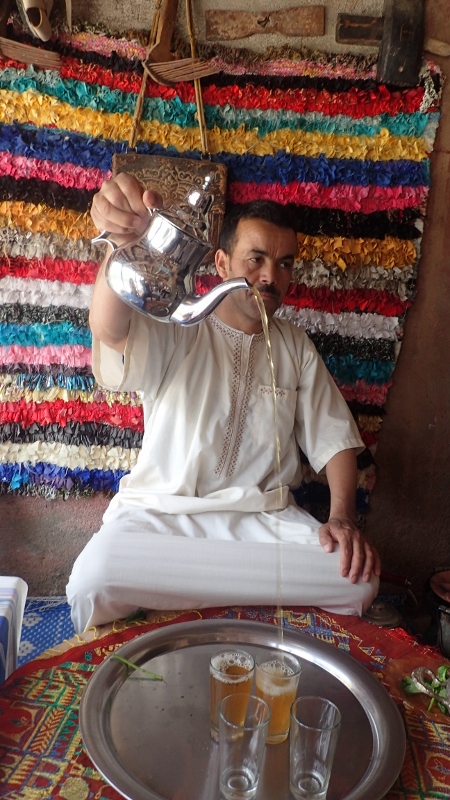
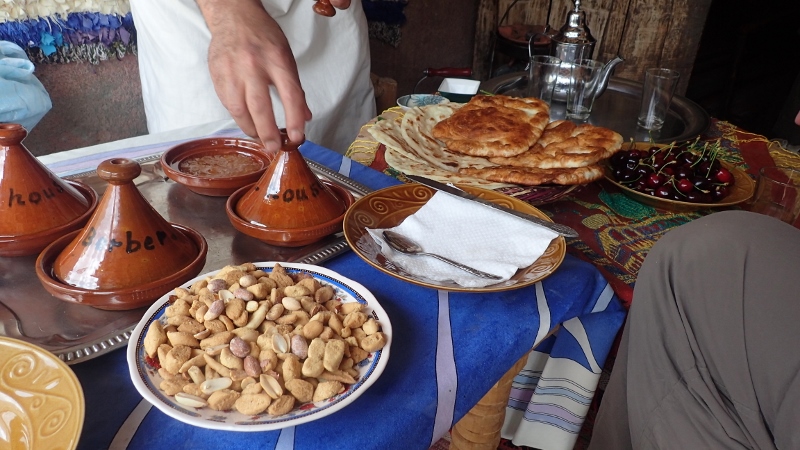
One of the highlights of our trip to Morocco was a visit to a Berber village in the Atlas Mountains. The mule ride up was ok, but I did prefer the walk back. We enjoyed the hospitality in the home of a local Berber family, though it was Ramadan, we were served a traditional breakfast with tea, bread, jams, nuts, fruit and biscuits. All was wonderful, but especially the breads. We are going to search for the recipe to reproduce that bread!
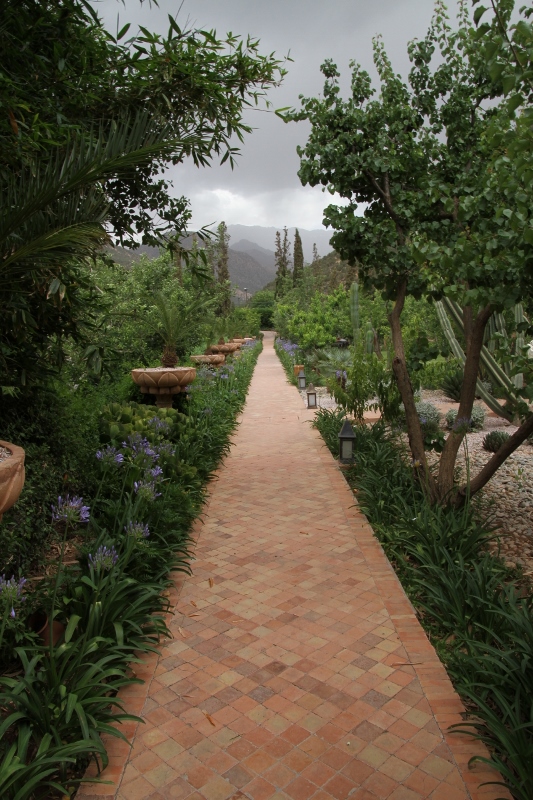
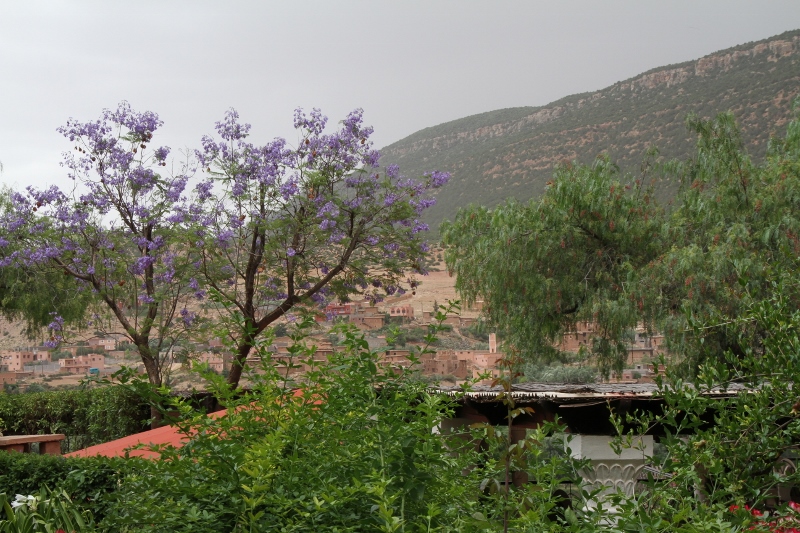
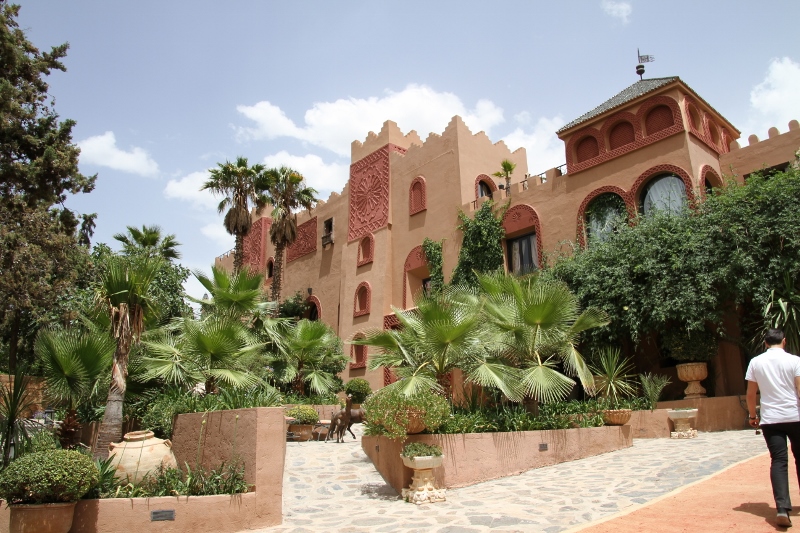
Though not too hungry after that meal, on our way back to Marrakesh, we stopped for lunch Kasbah Tamadot, a hotel owned by Sir Richard Branson. He happened to be there having lunch. He was very welcoming, stopping at all the tables to greet the guests and posing for selfies. The place is beautiful, as one would expect, and definitely a destination to consider for a next visit.
We now head to visit friends in England. We plan to visit Bath and Oxford, as well as take in some theater with our friends. I will try to post some of what we do. We will be home in a week. It is a melancholy time. While we look forward to returning home to friends and family, we have enjoyed every minute of our journey and realize there is so much more to see. We have been to some amazing places and are fortunate we have been able to share our journey with our friends. We are grateful to all the wonderful people we met along the way, our guides and drivers as well as our fellow travelers. To all the people we have met along the way, we wish you safe travels, until we meet again.
Spectacular. Looking forward to seeing you soon.
Looking forward to seeing you soon. Thanks for the informative and interesting blogging along the way. Amazing journey!