
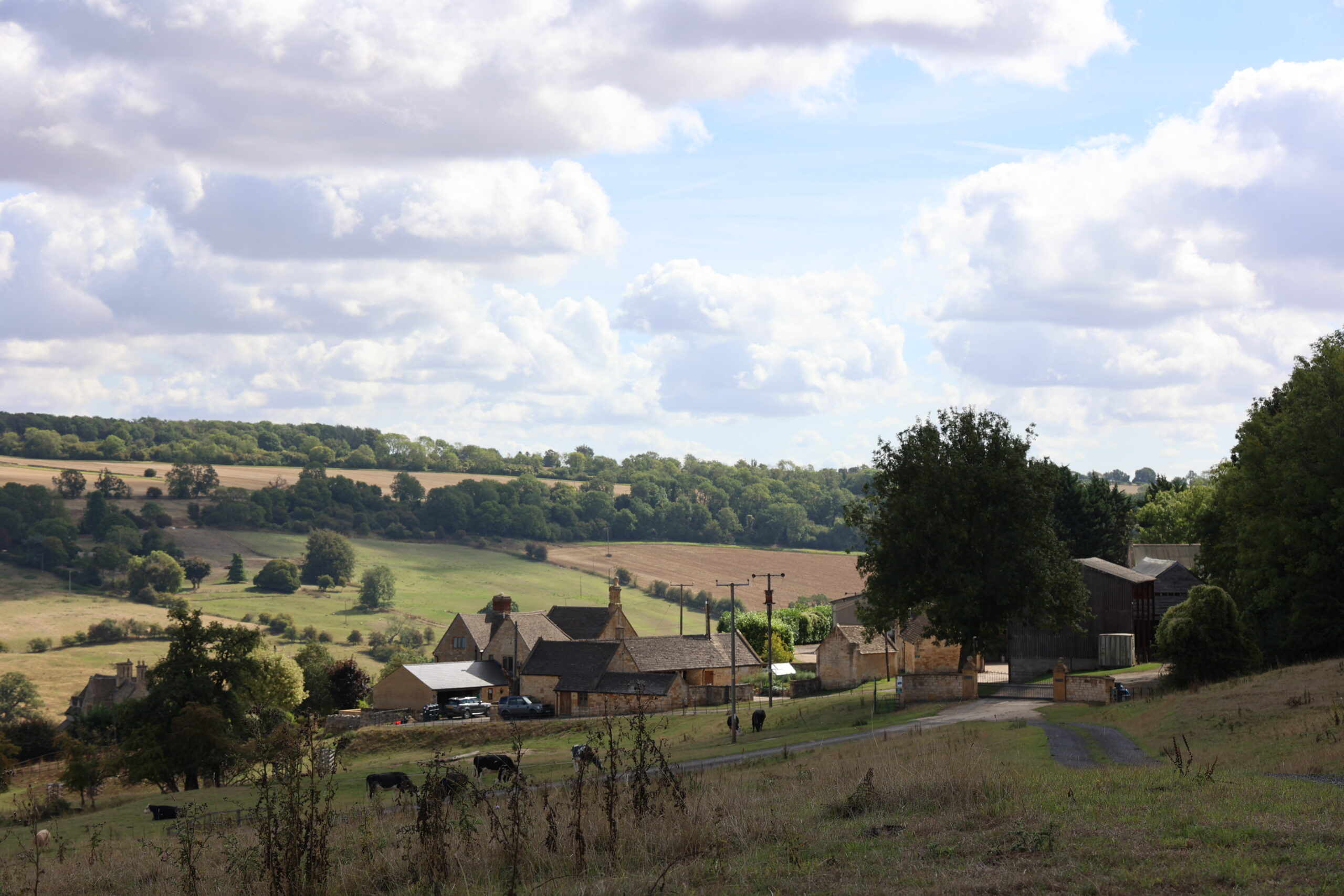
Today we explored this “Area of outstanding Natural Beauty” or AONB so designated in 1966. This covers 787 square miles. The landscape is predominantly rural containing stone-built villages, towns, stately homes and gardens. The stone which is quarried locally has a golden color and is referred to as Cotswold stone.
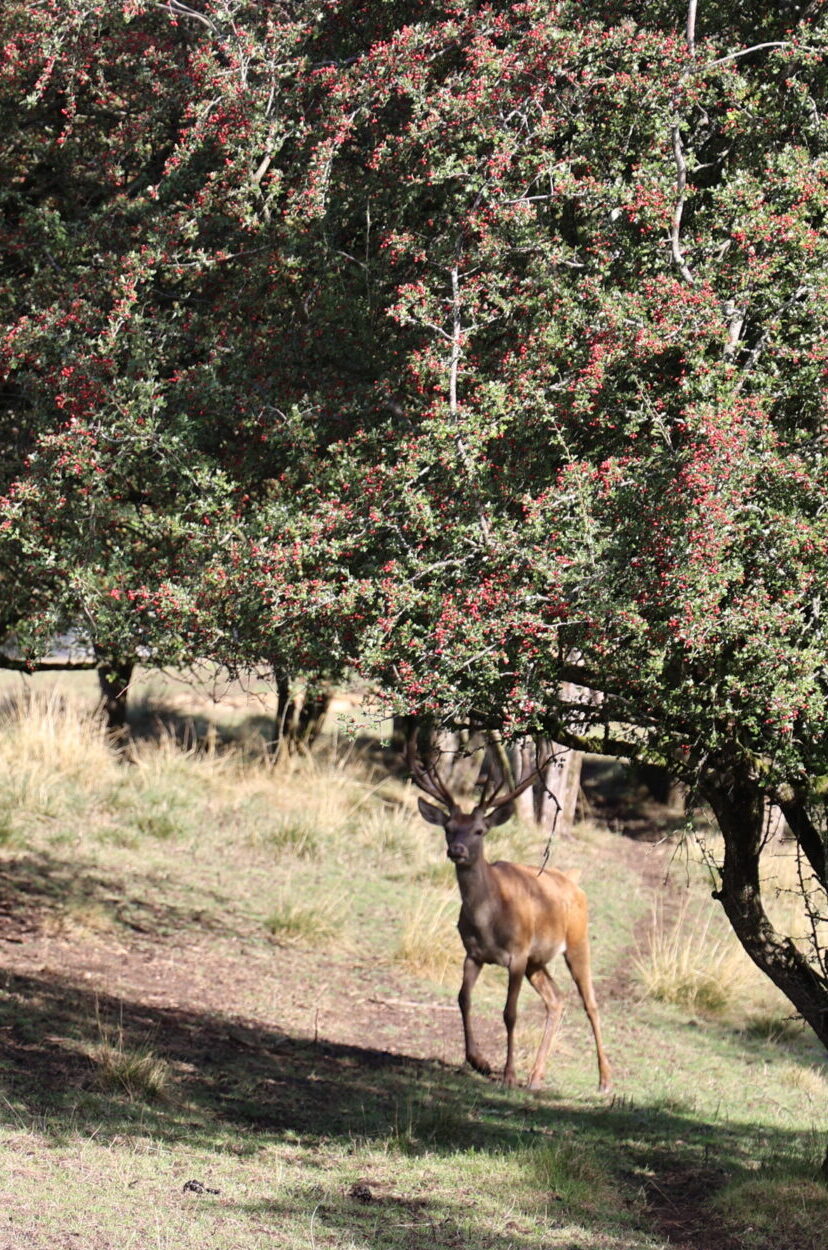
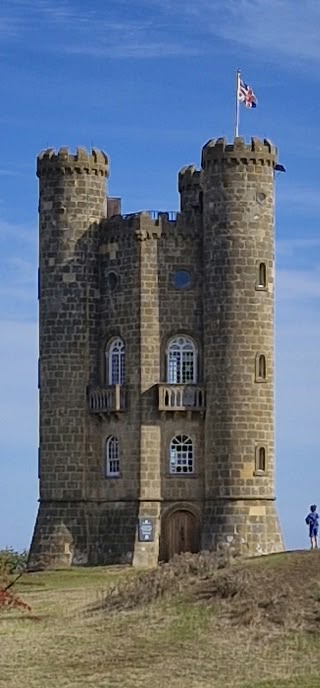
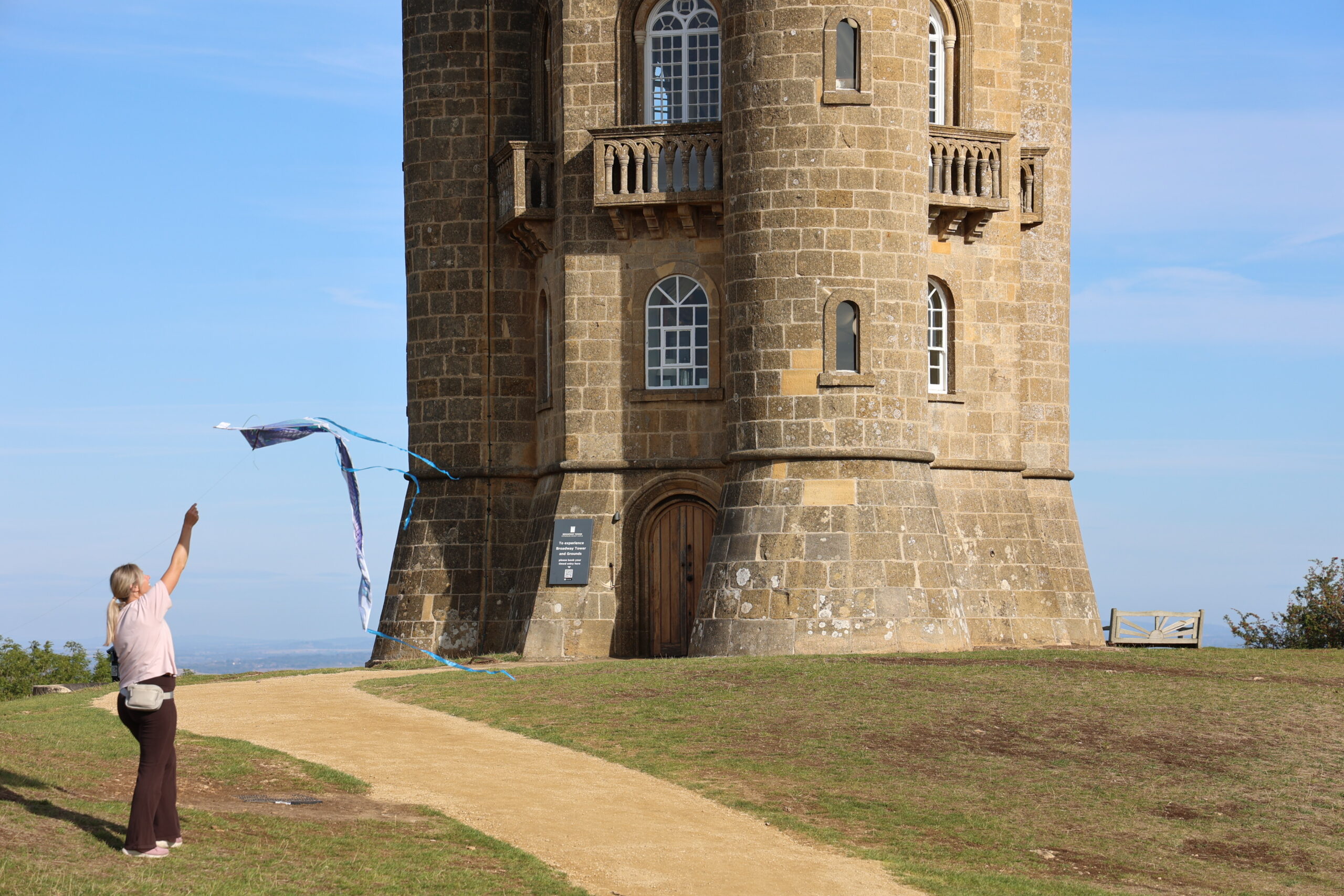
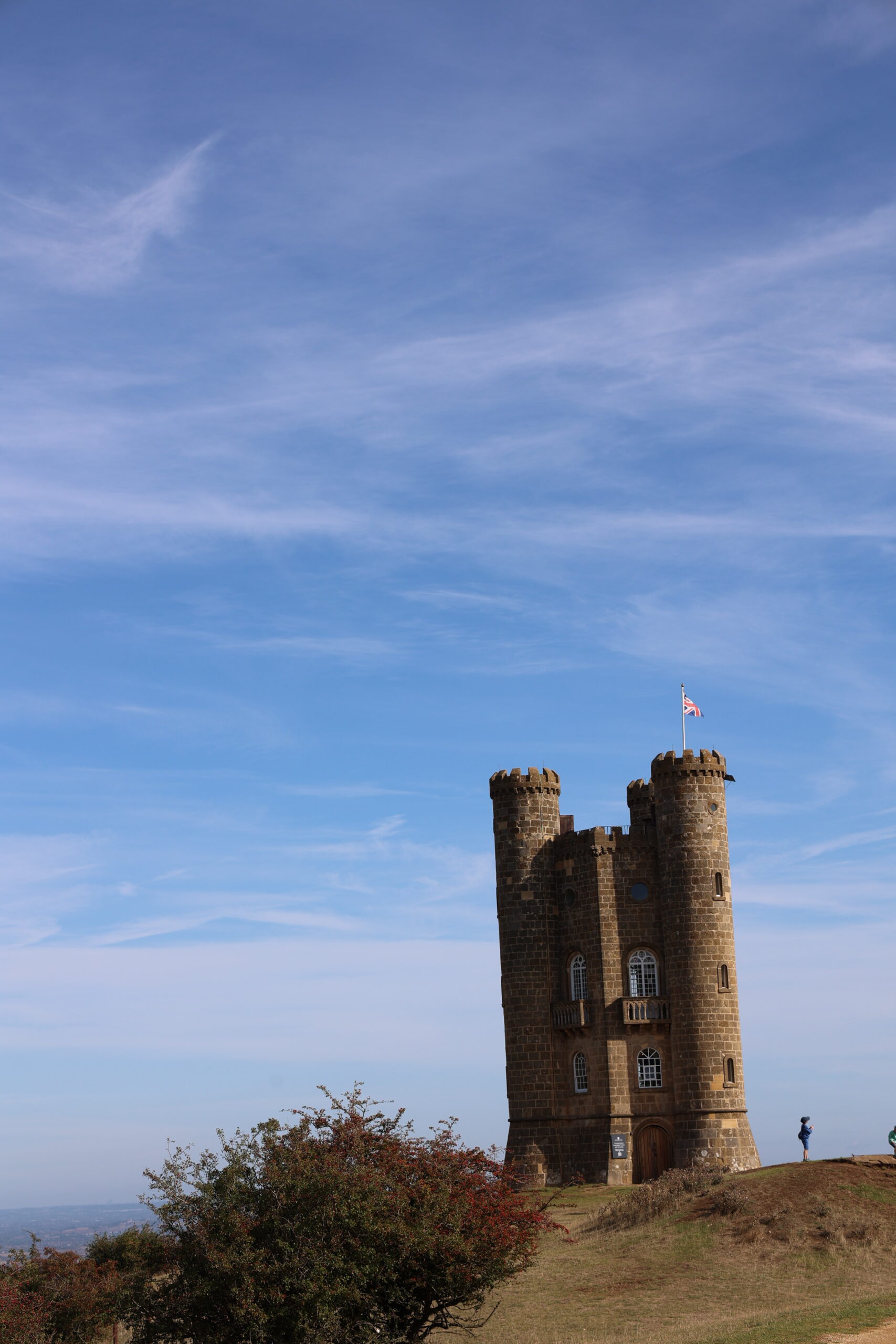
Our first stop was Broadway Tower. Located within a protected deer park, near the town of Broadway. It is a Saxon-style tower built for the wife of the 6th Earl of Coventry in the late 18th century.
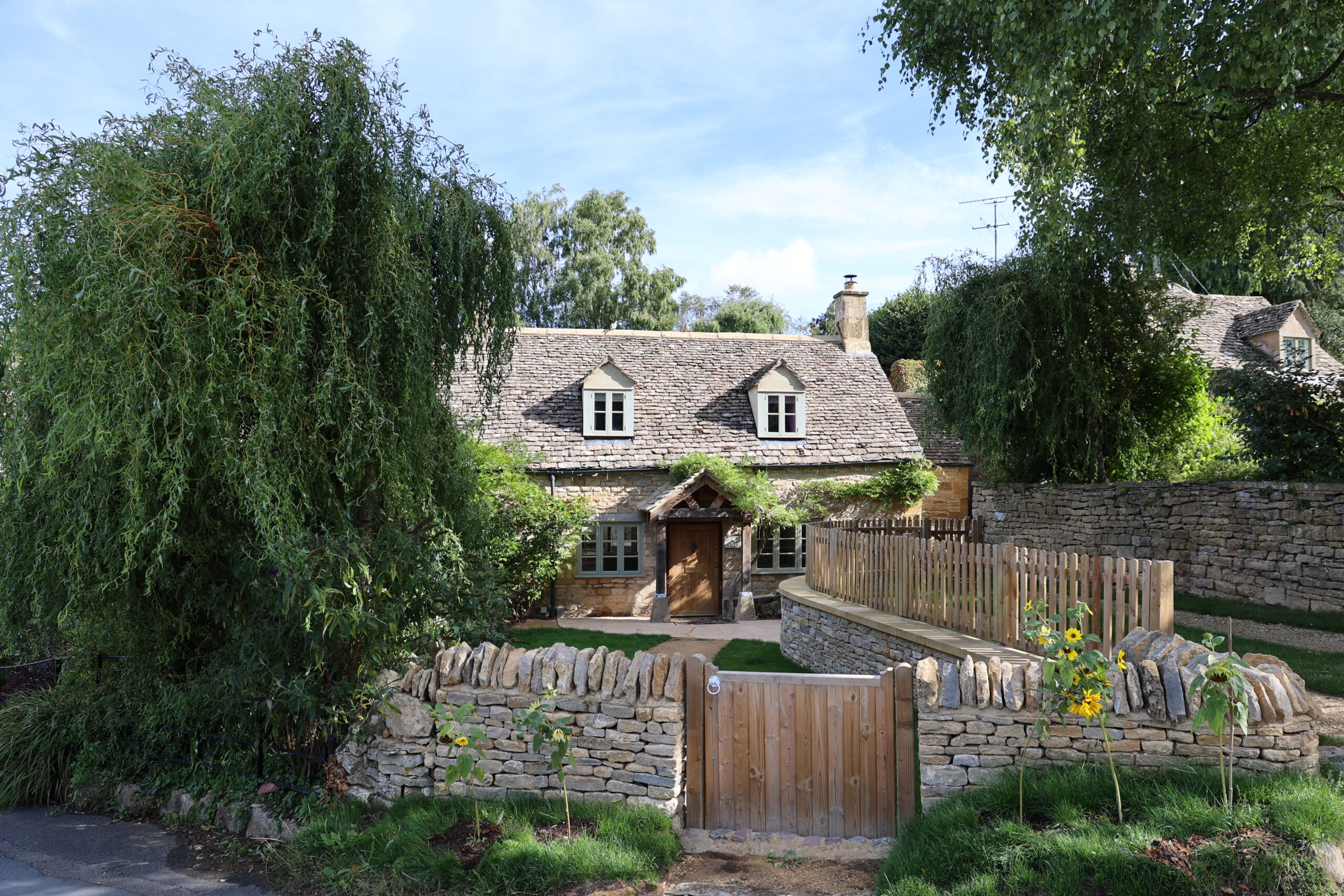
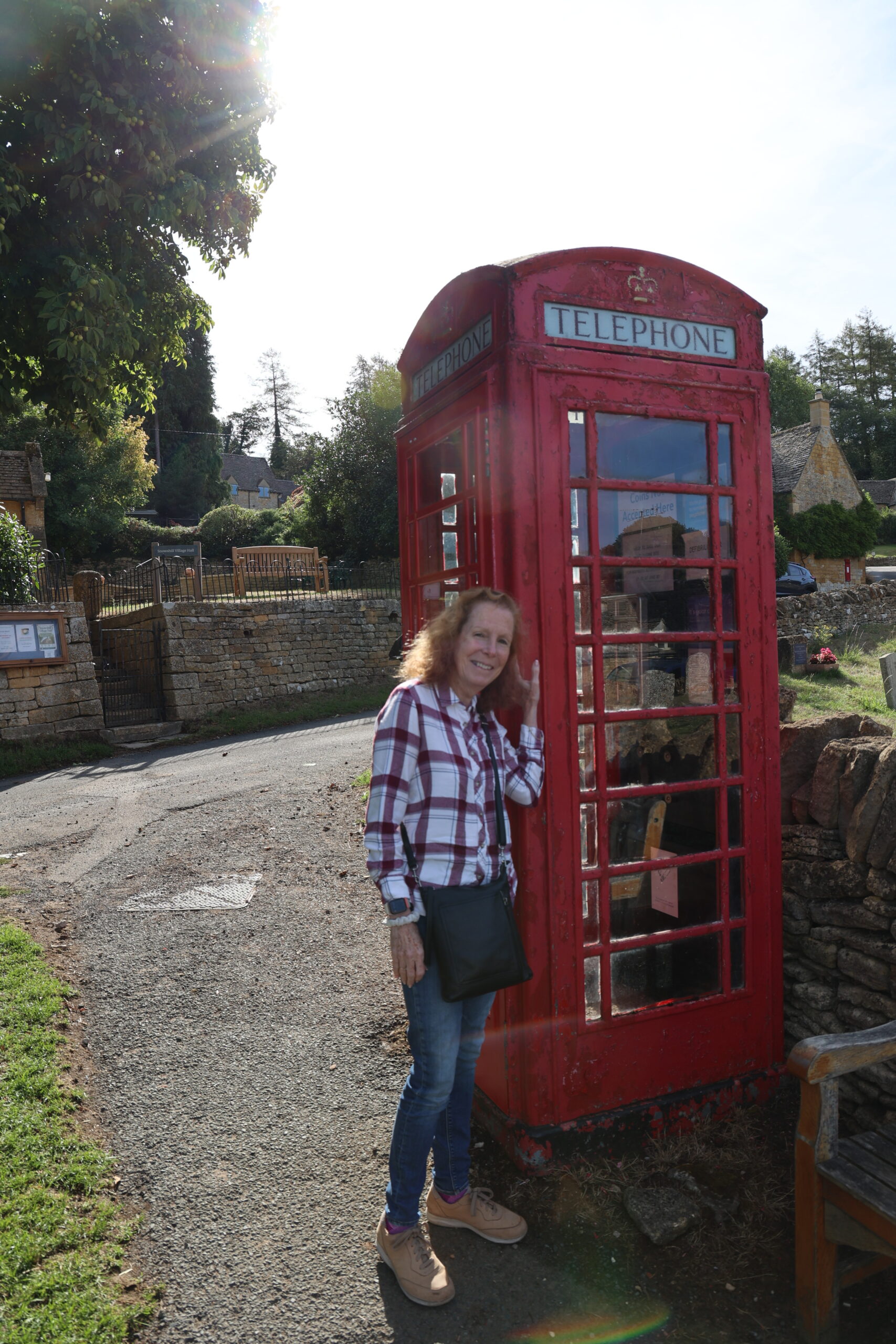
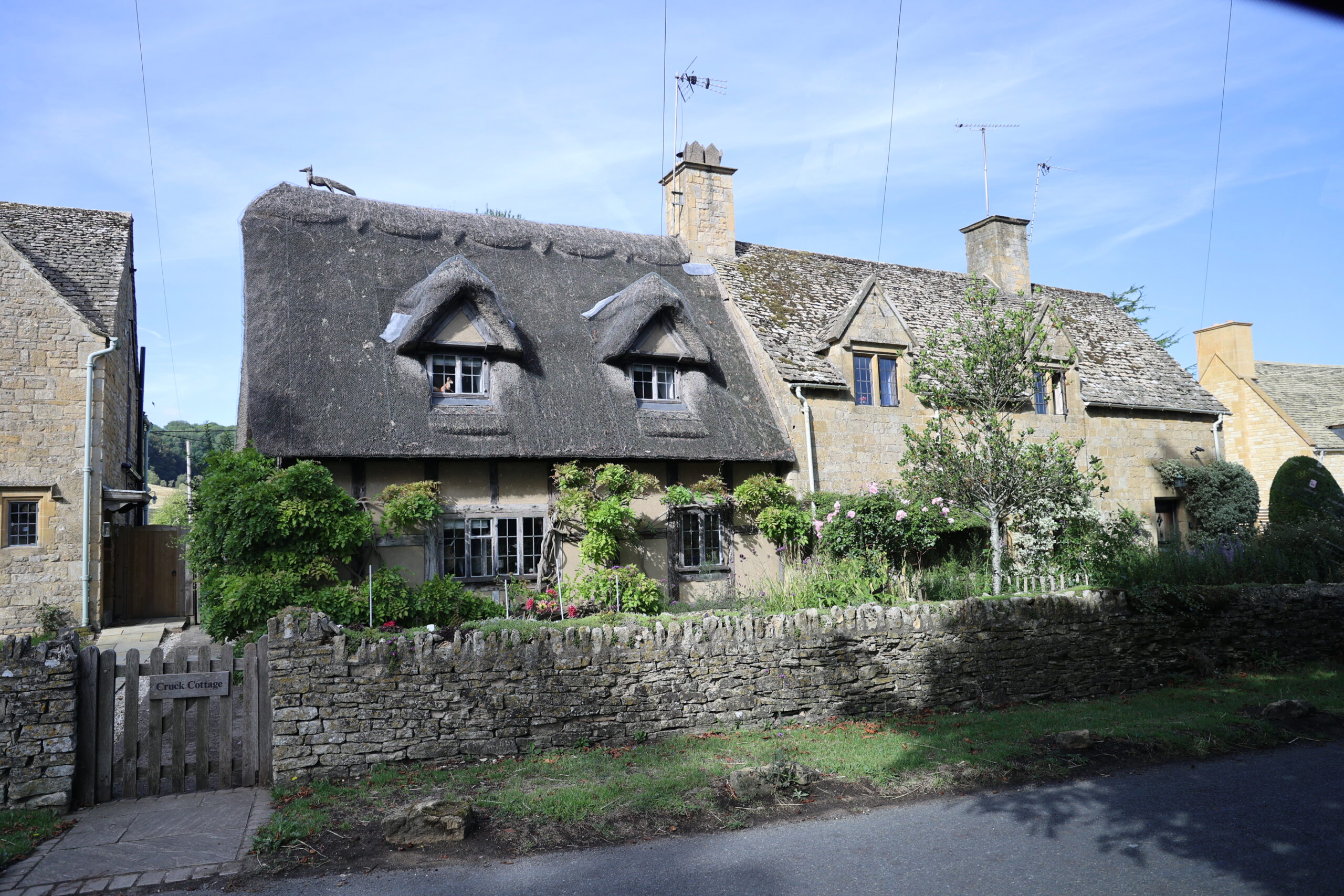
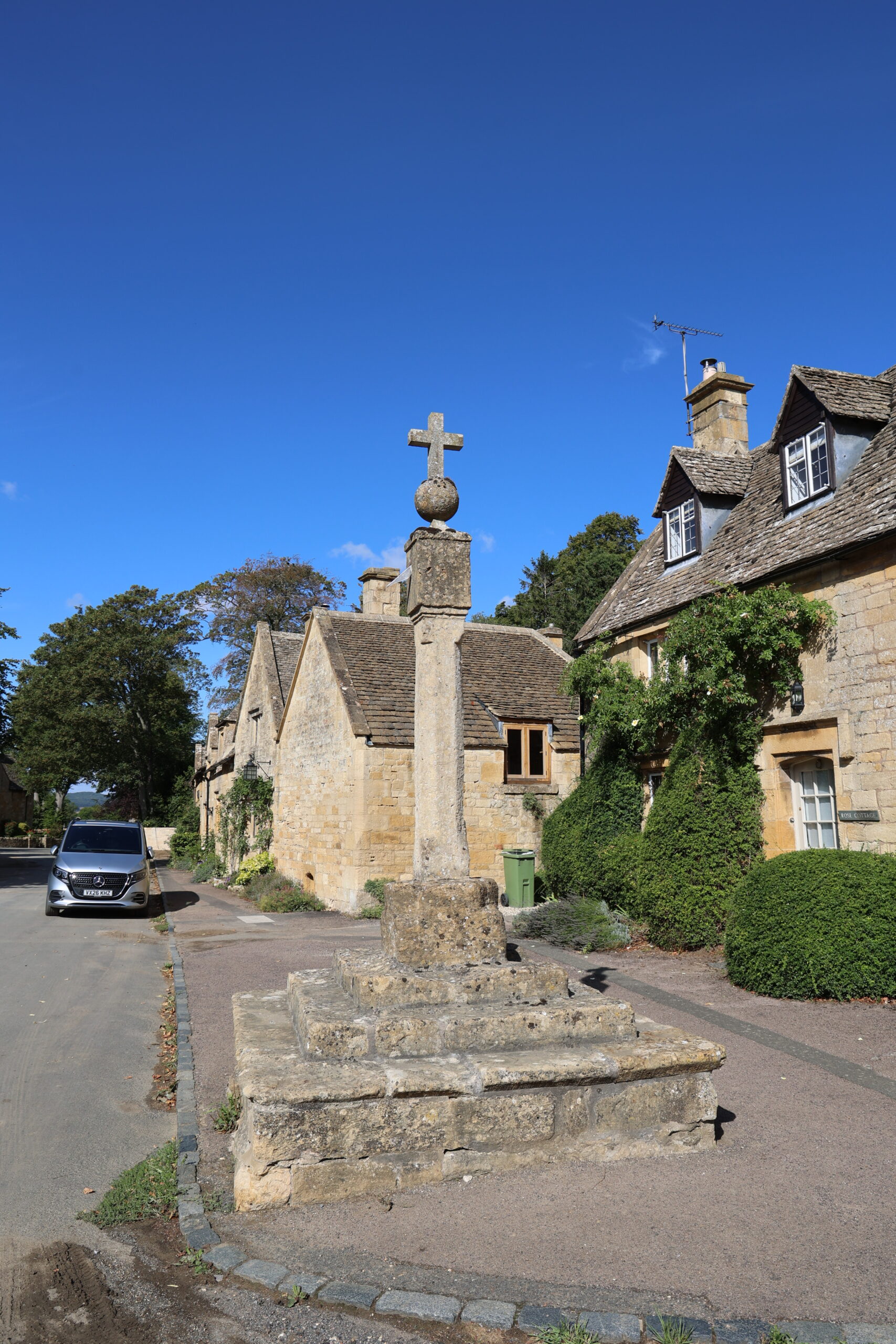
We then drove through some picturesque villages noting the unique features of many of the houses and other buildings. Some with thatched roofs, and others, most with roofs from the limestone that is pervasive here.
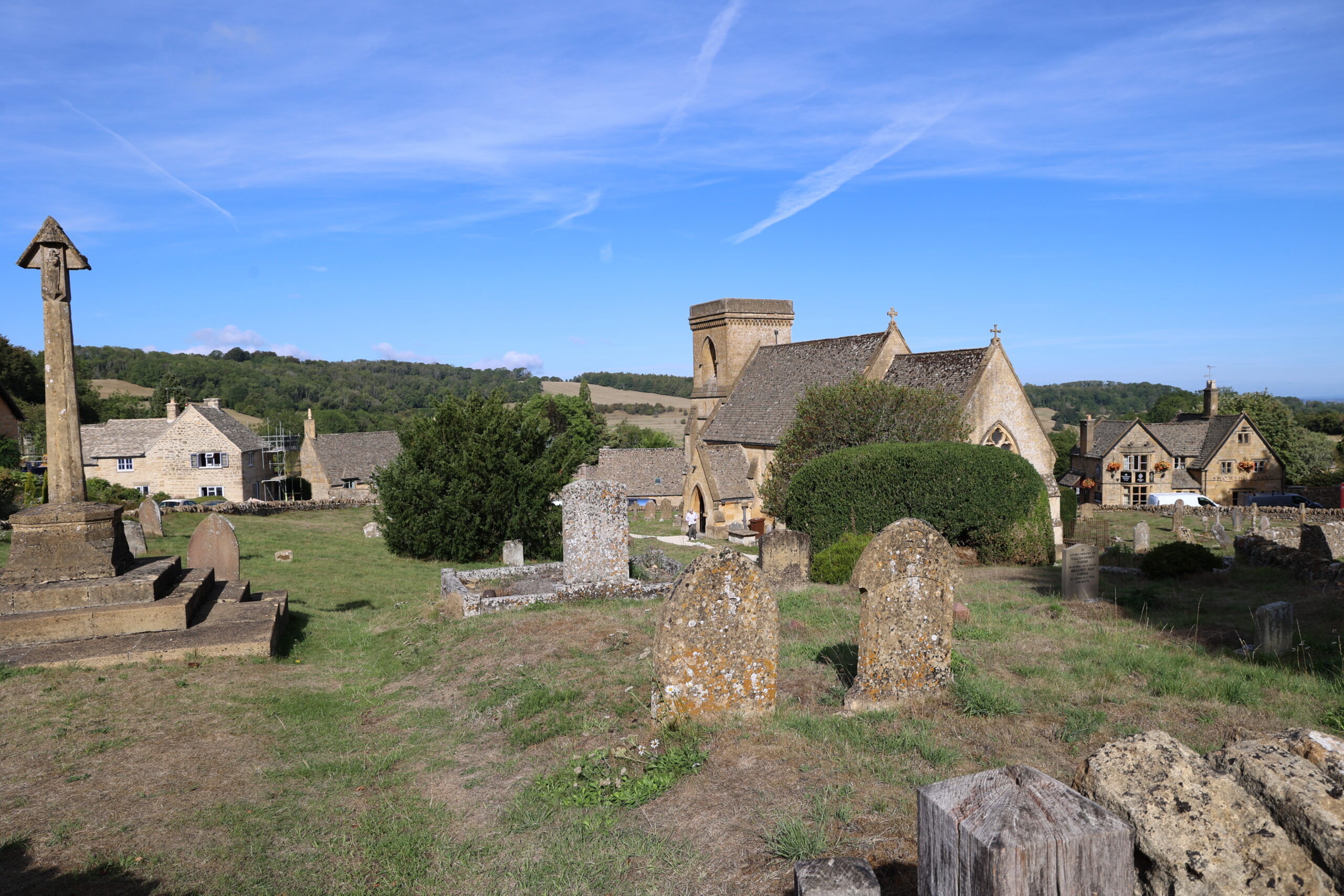
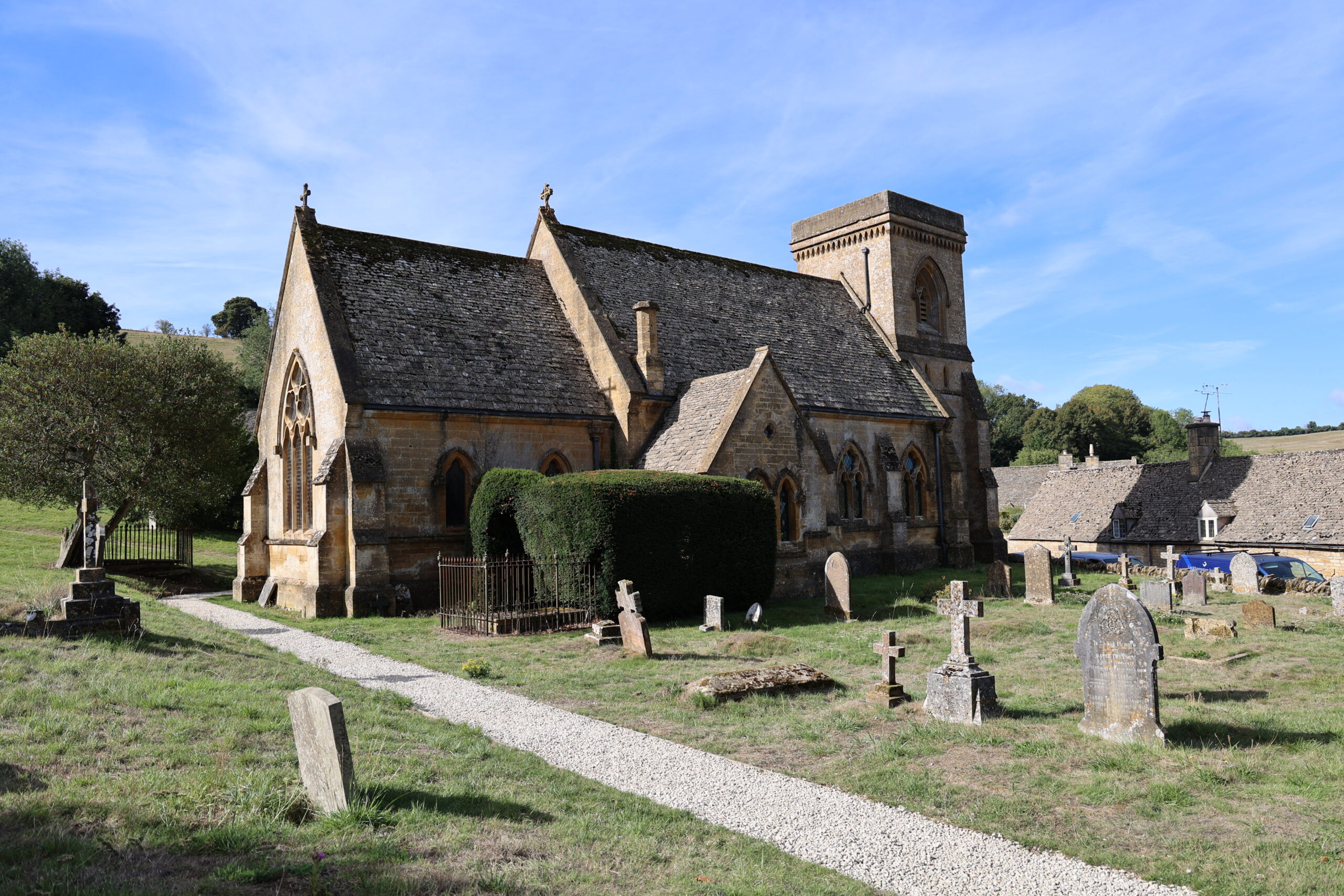
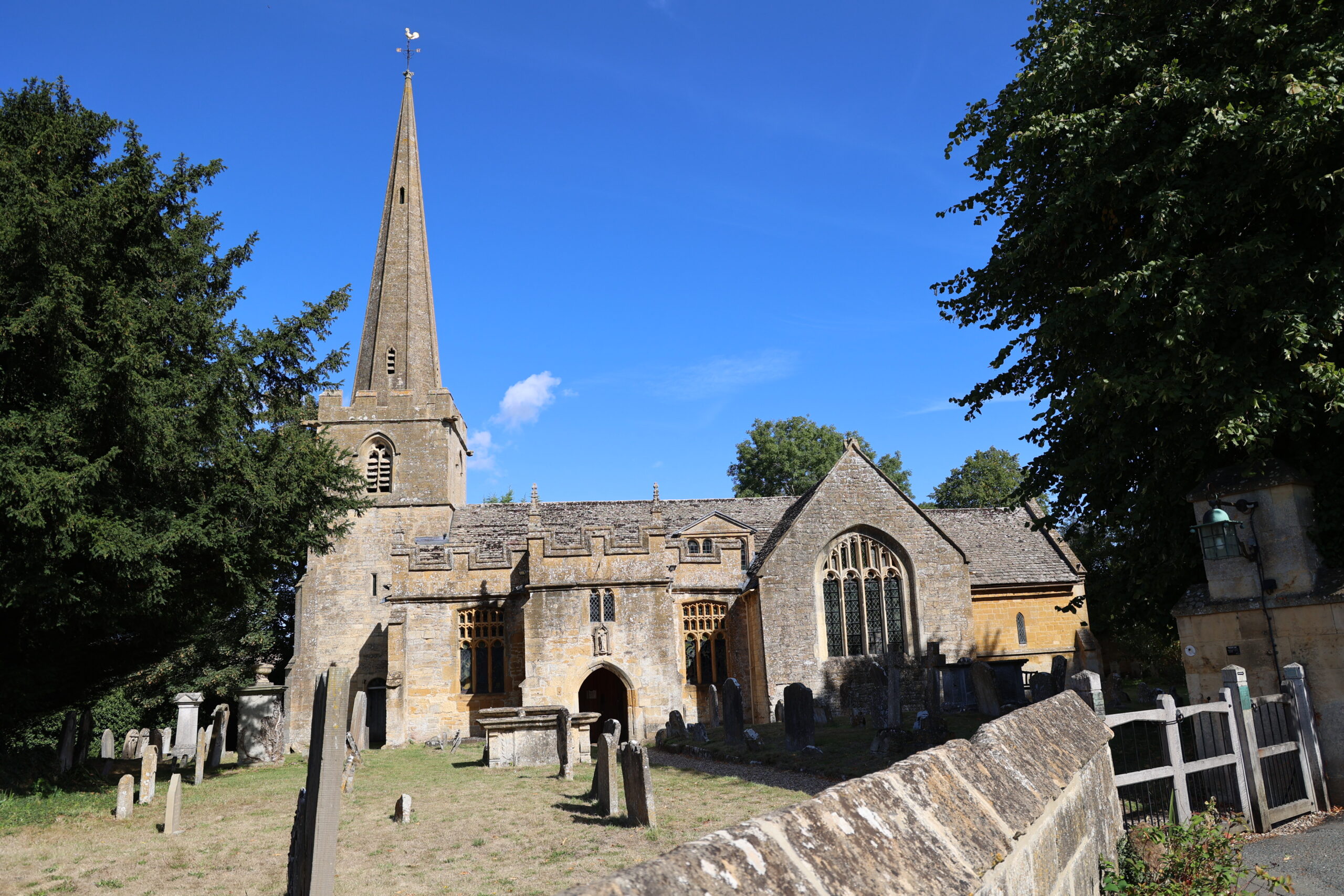
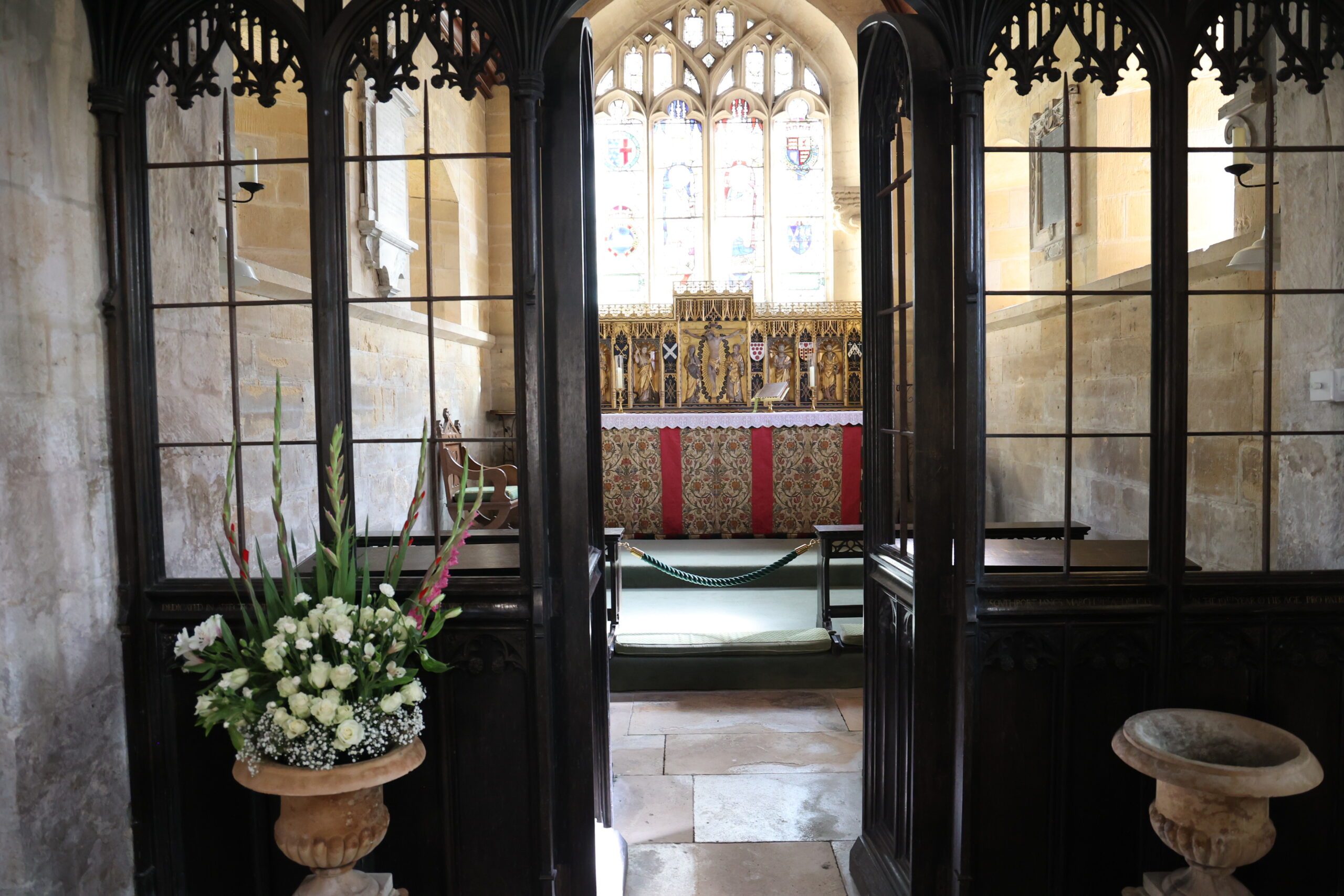
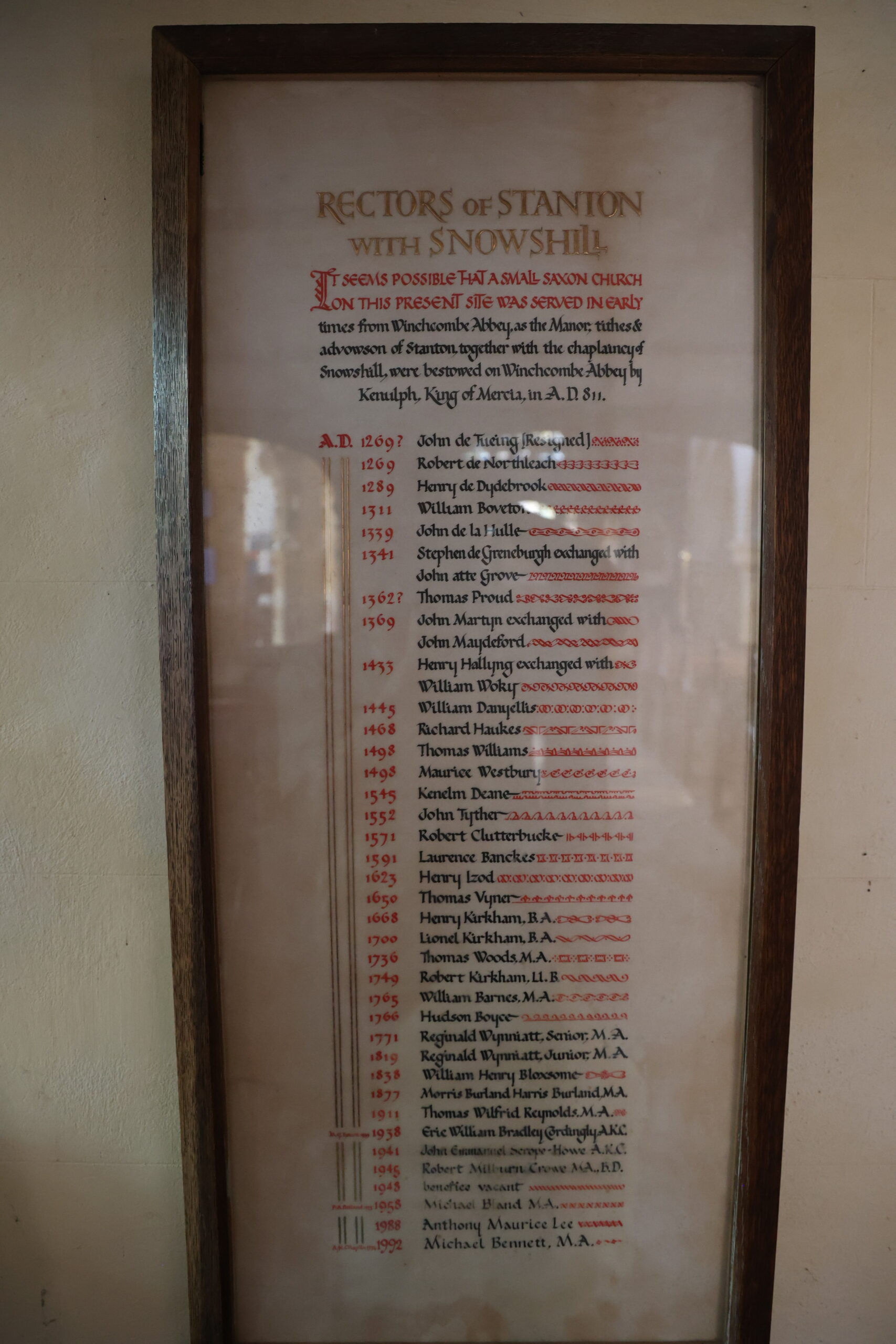
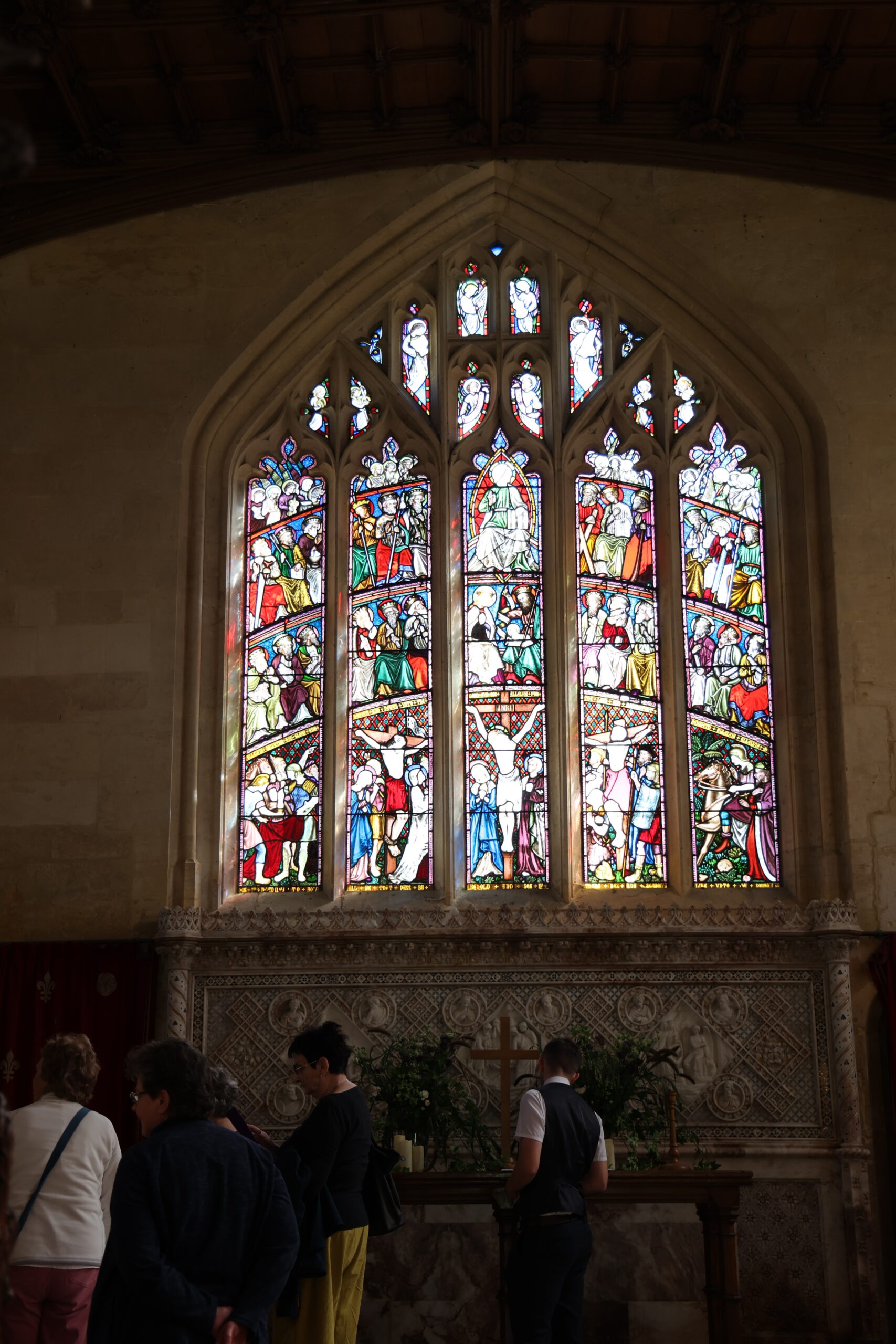
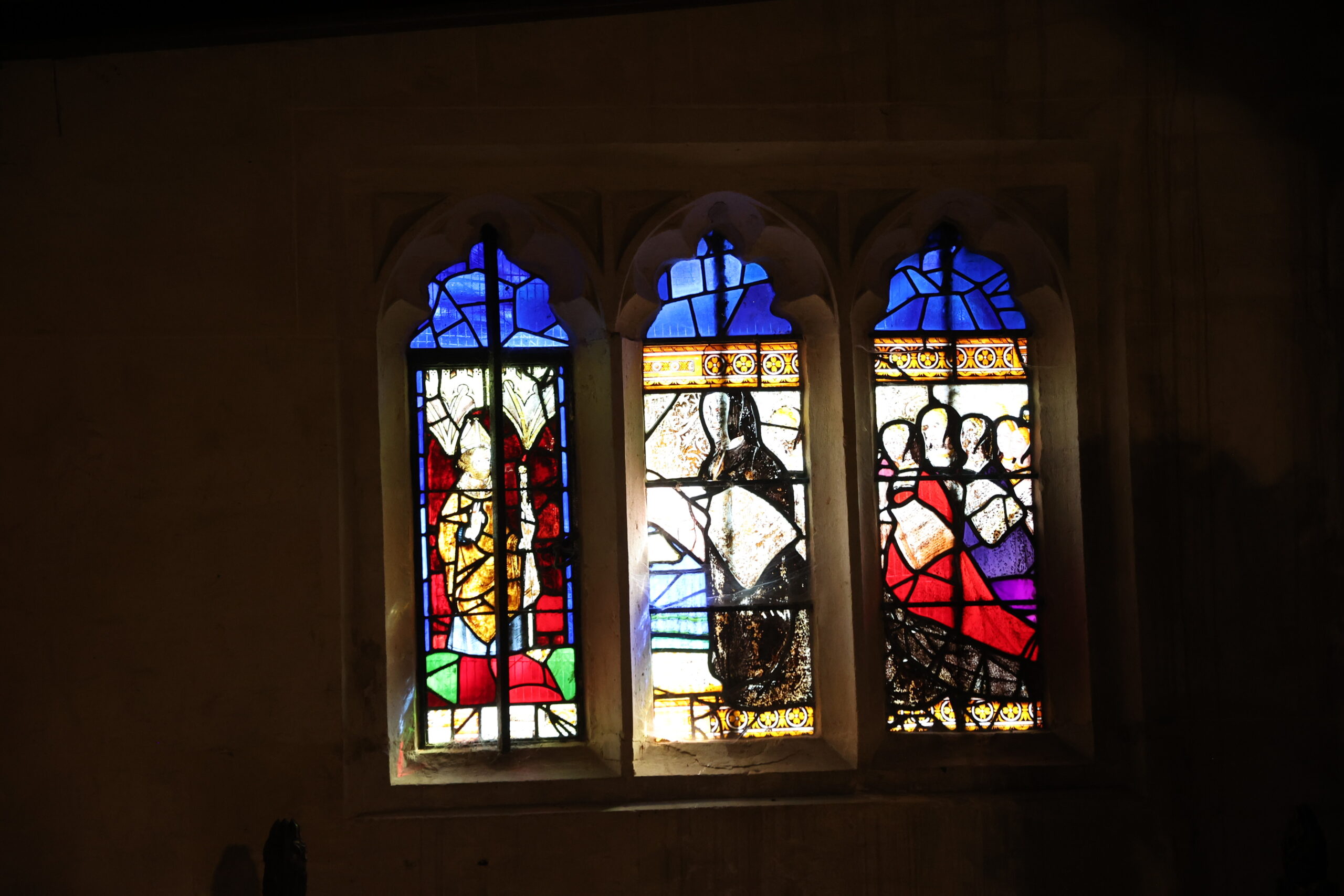
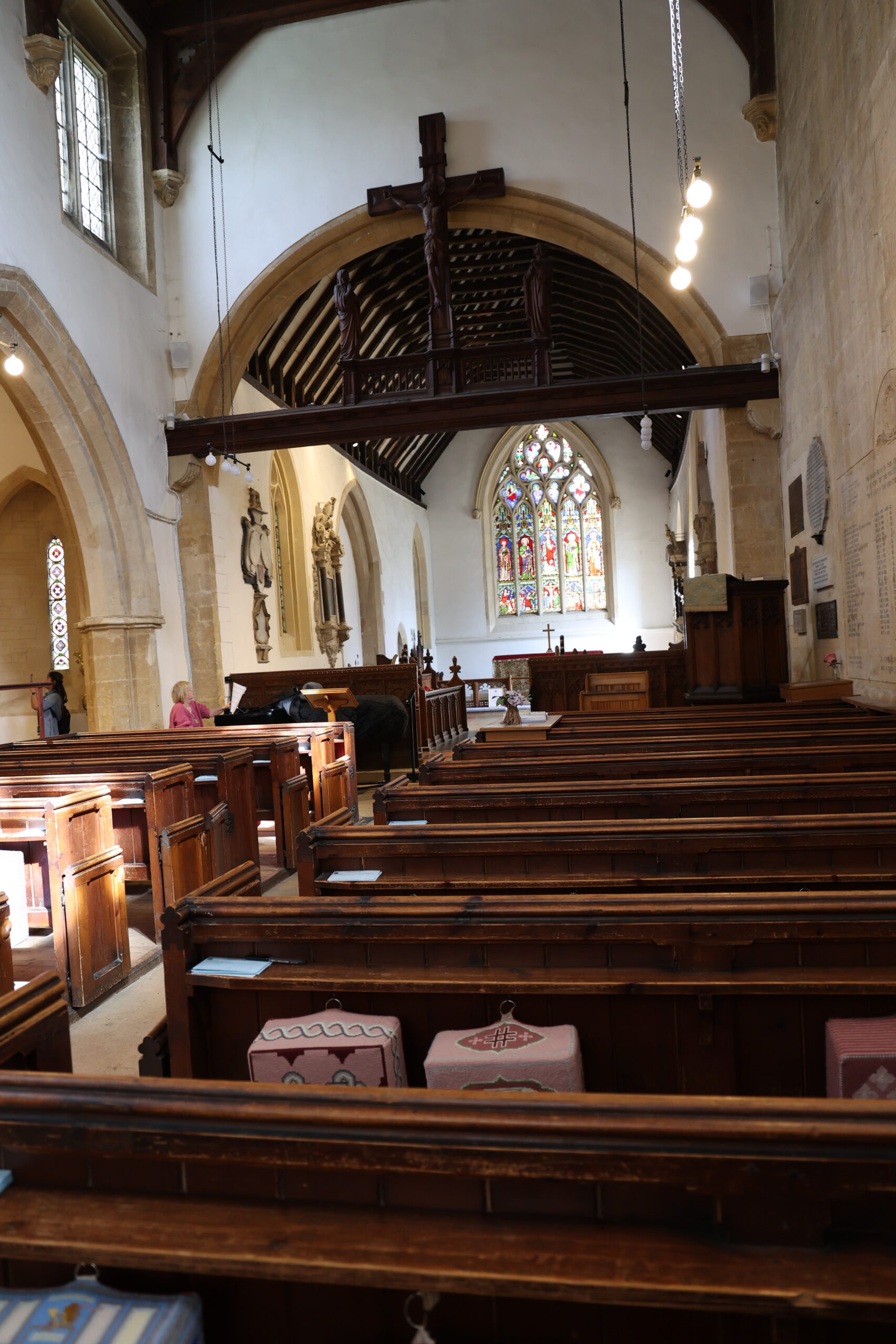
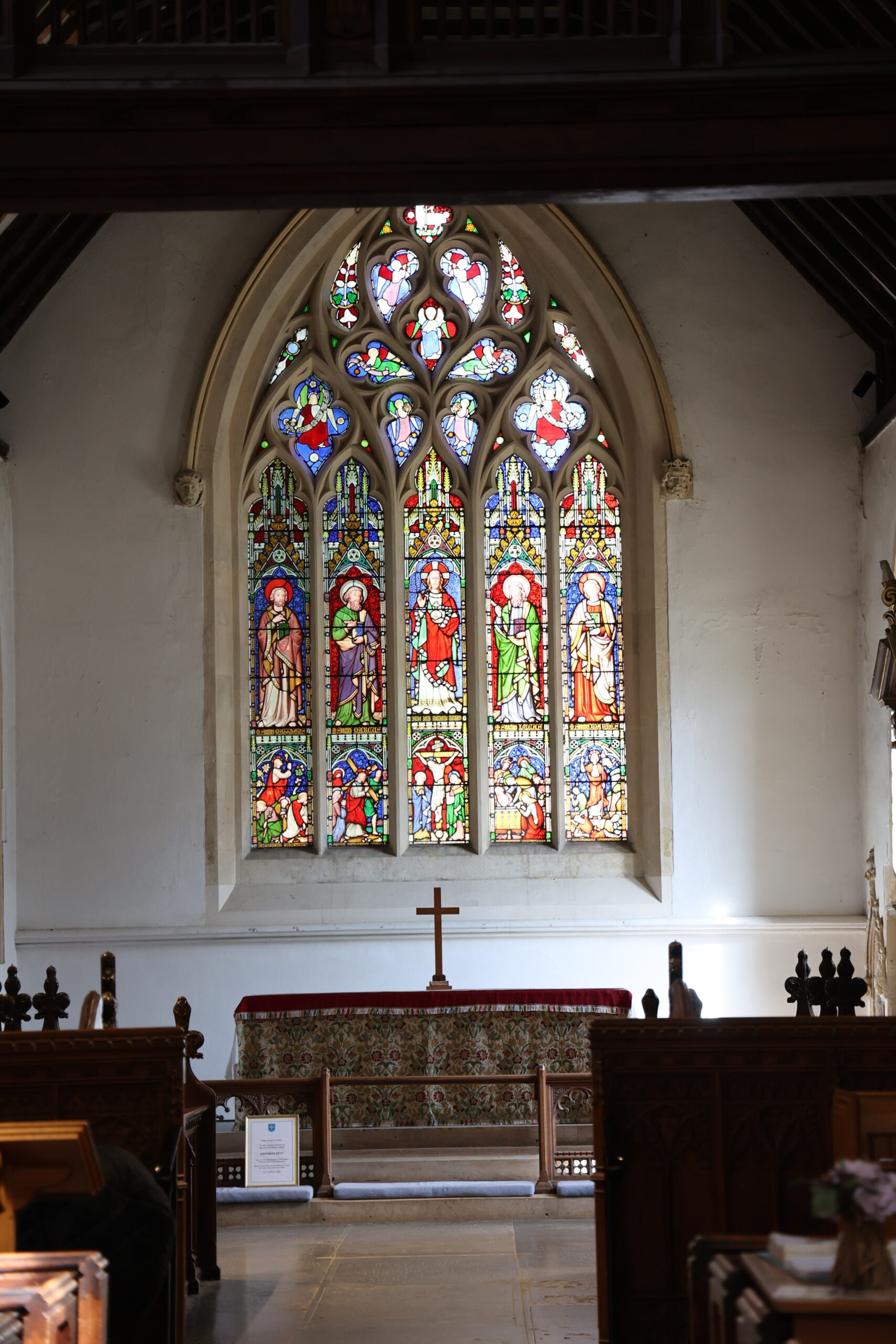
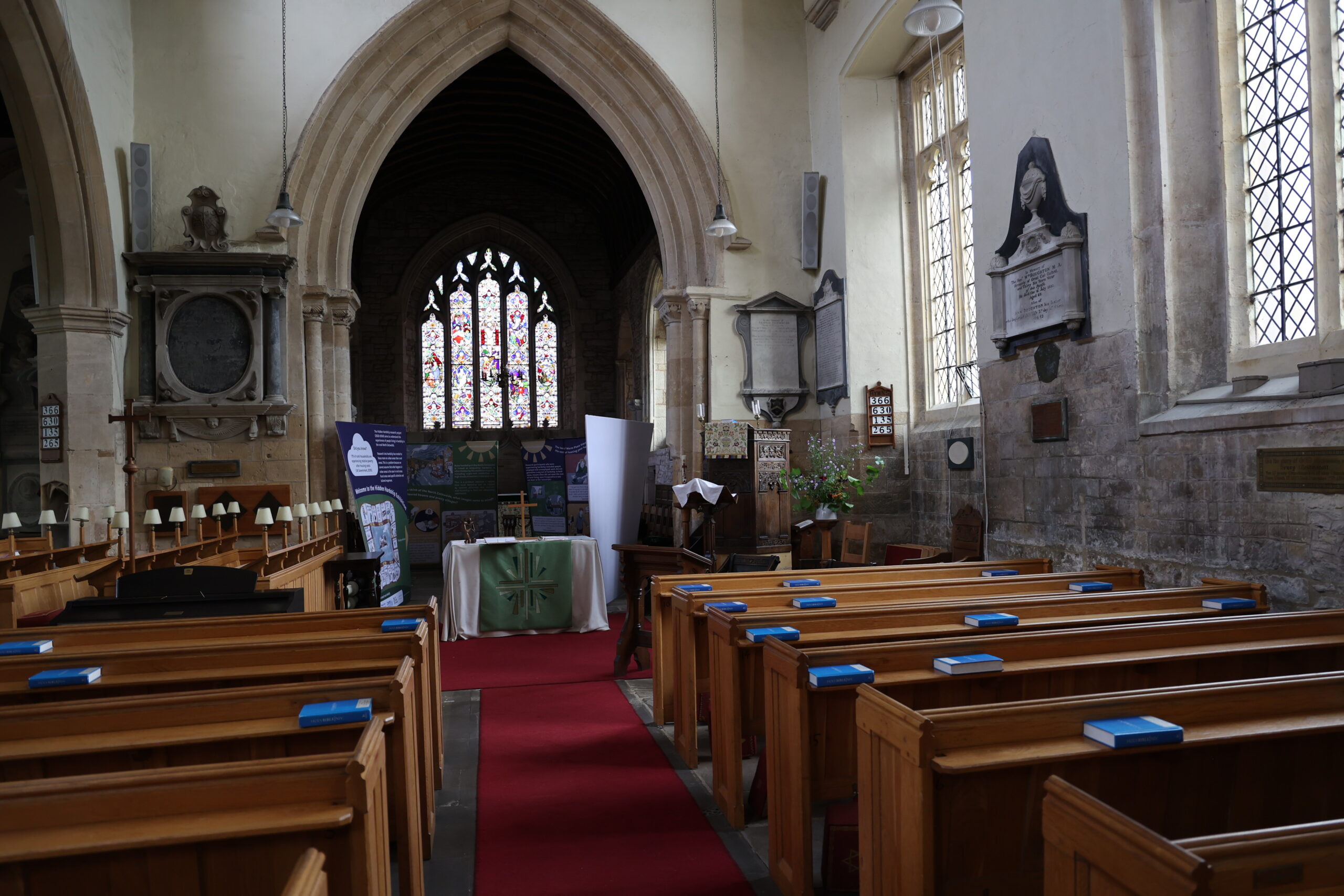
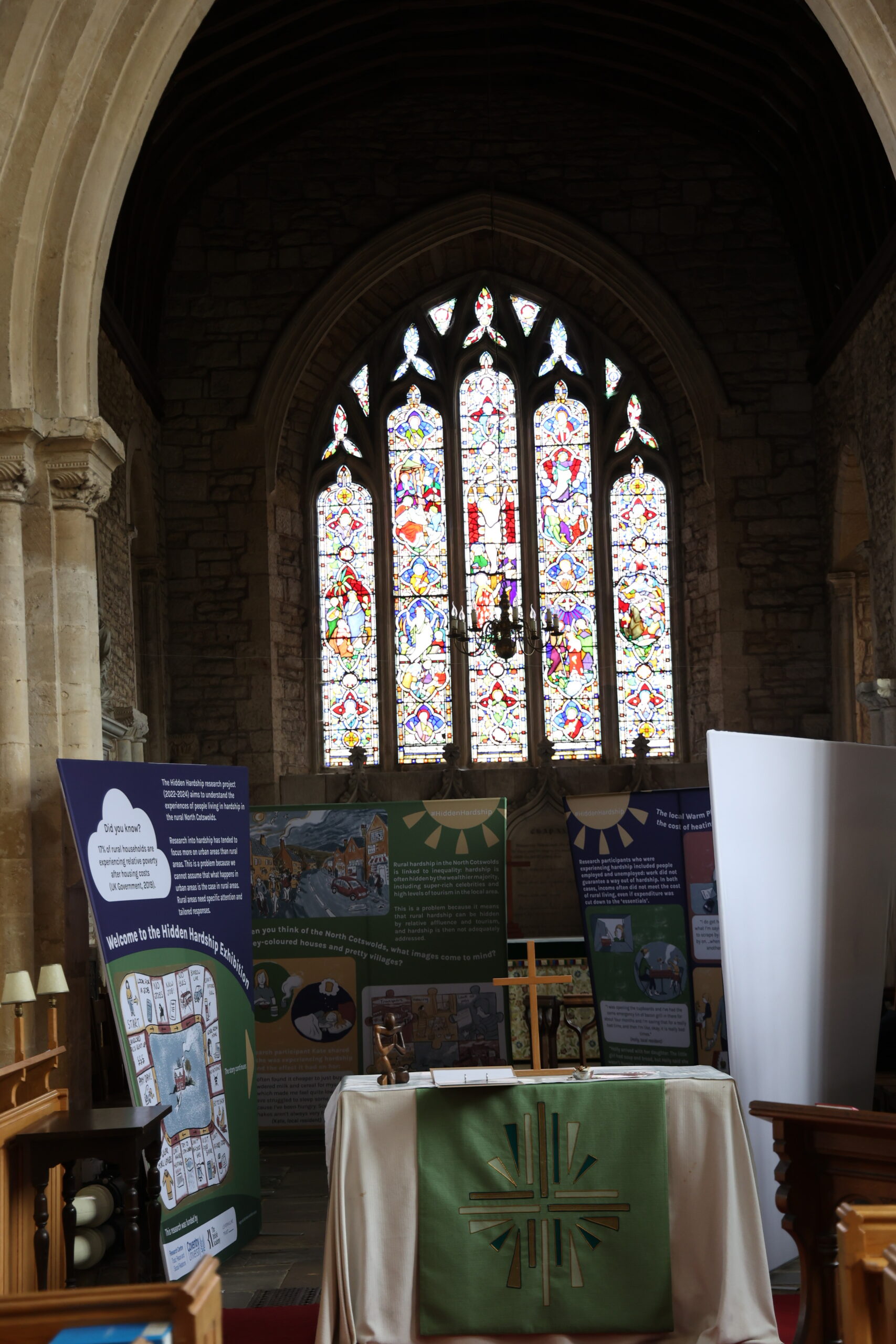
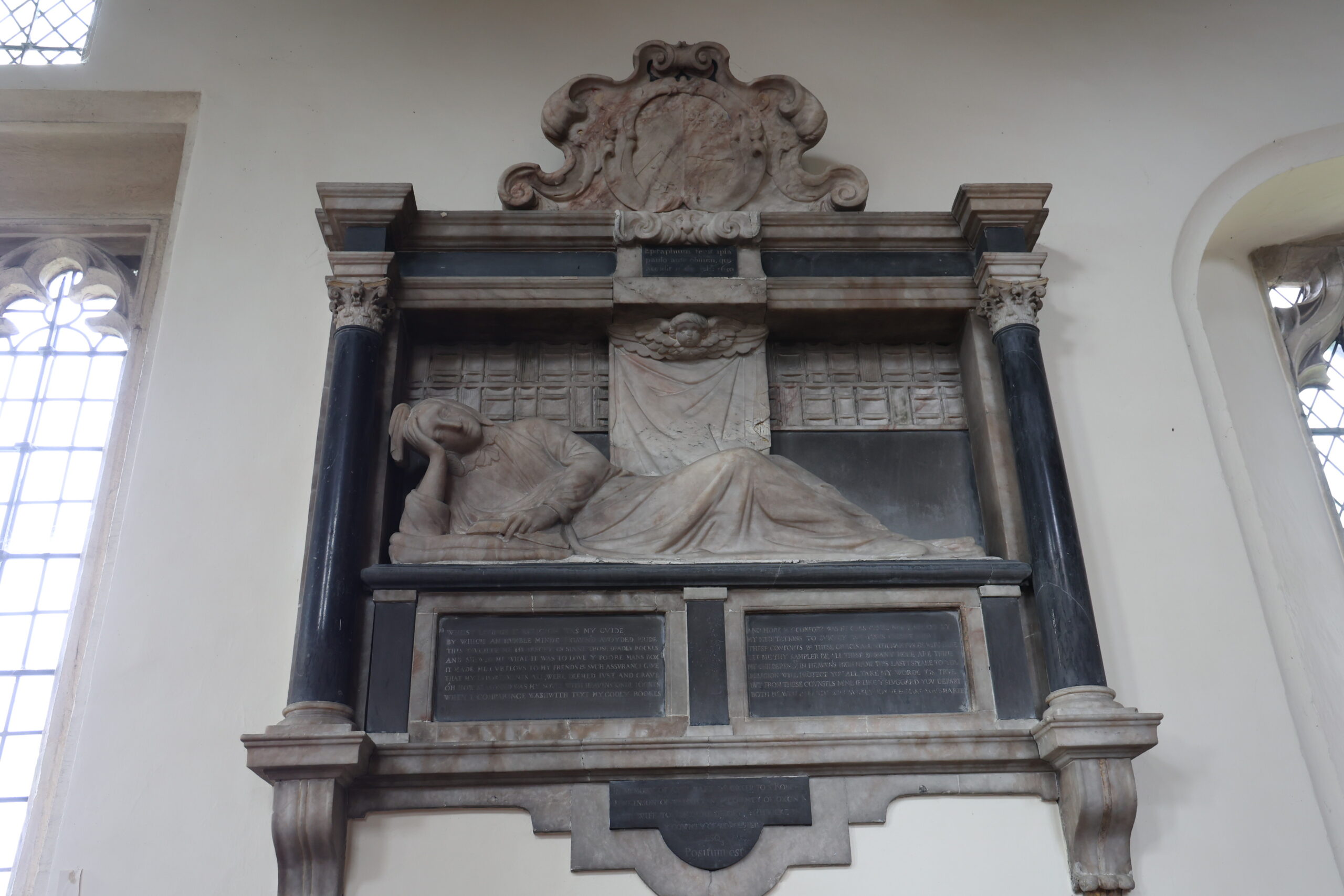
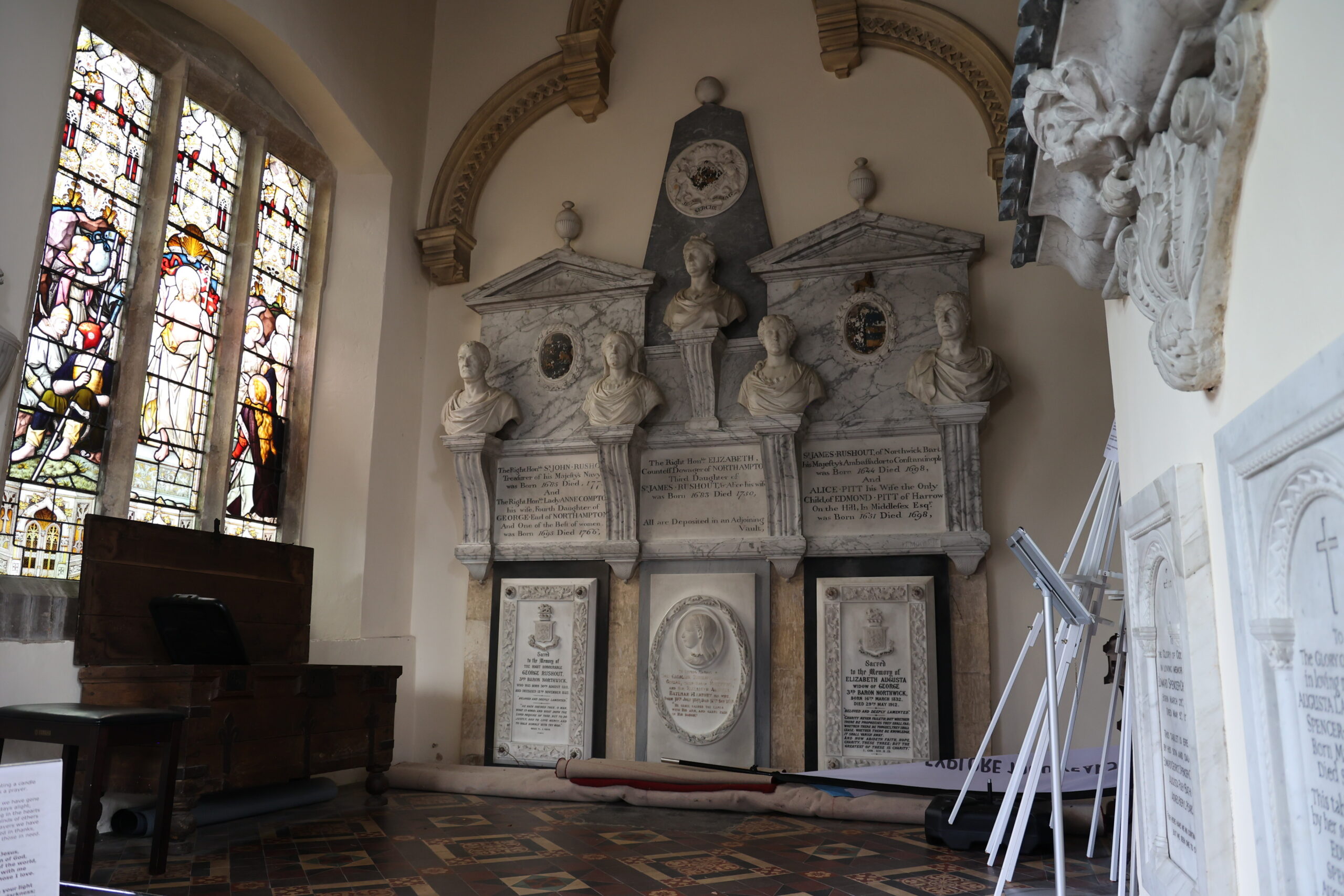
We stopped in several churches, all of similar plans, from the 13th and 14th centuries. Of particular note, the stained glass in almost all is from Victorian times having replaced the medieval glass that was destroyed in the time of Henry VIII.
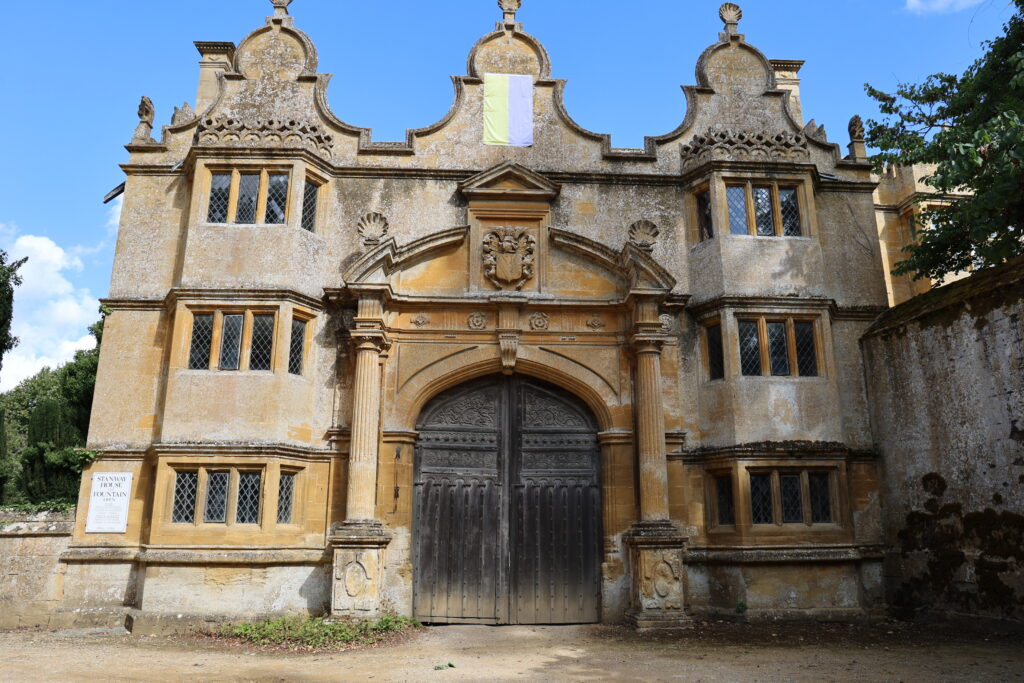
We stopped by Stanway House, a Jacobean structure from the time of James I.
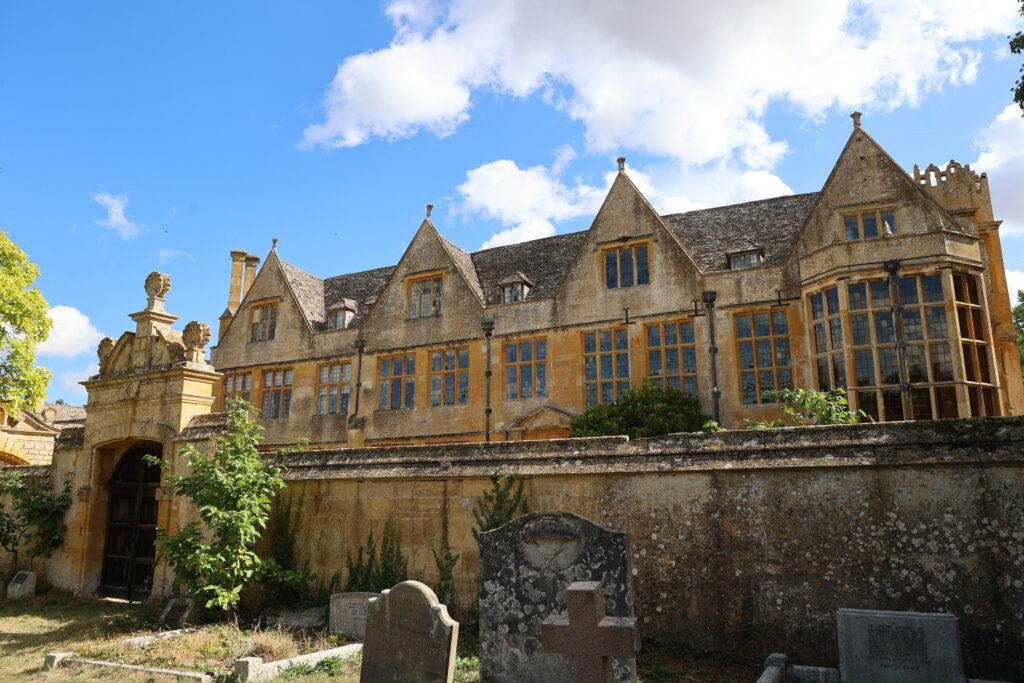
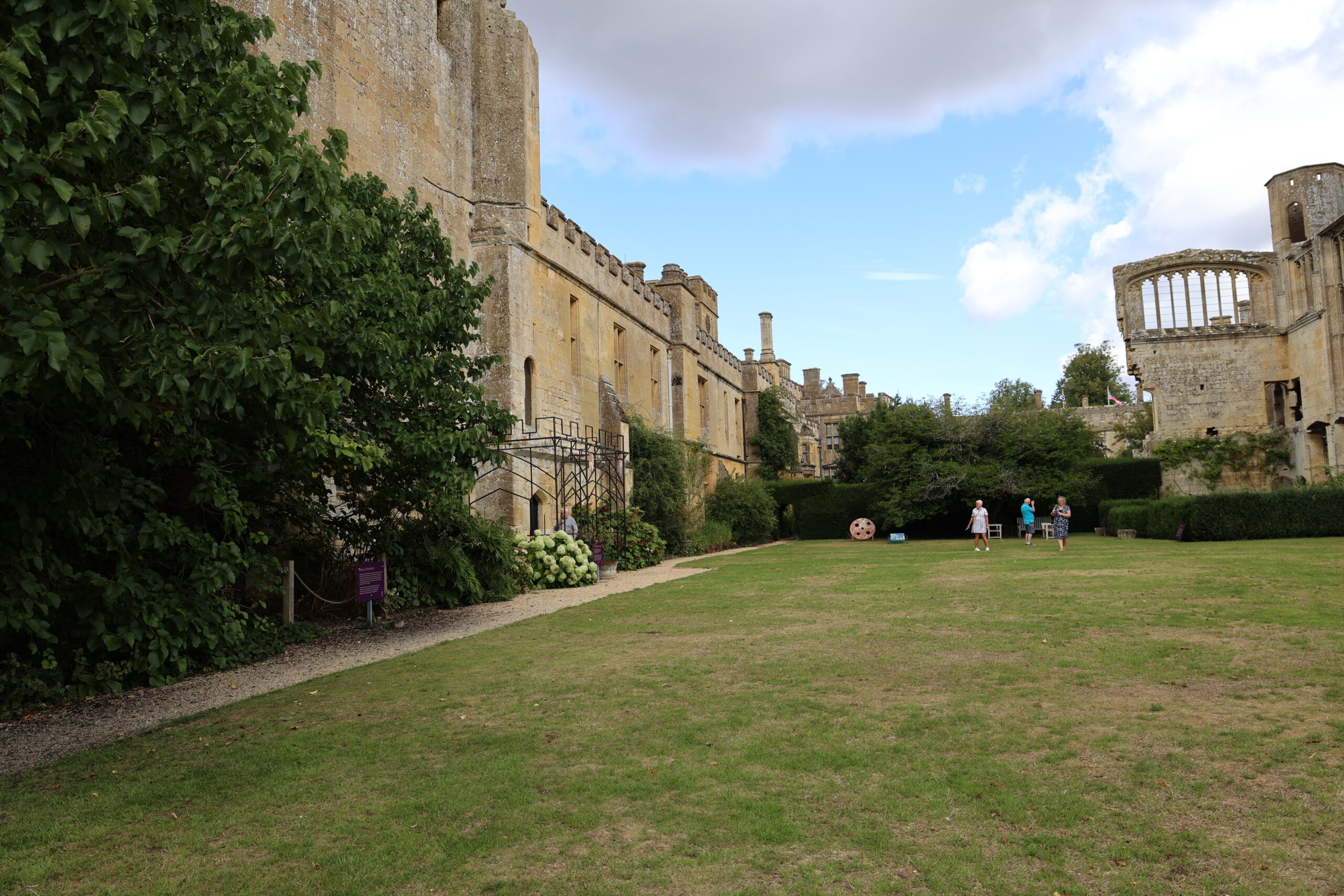
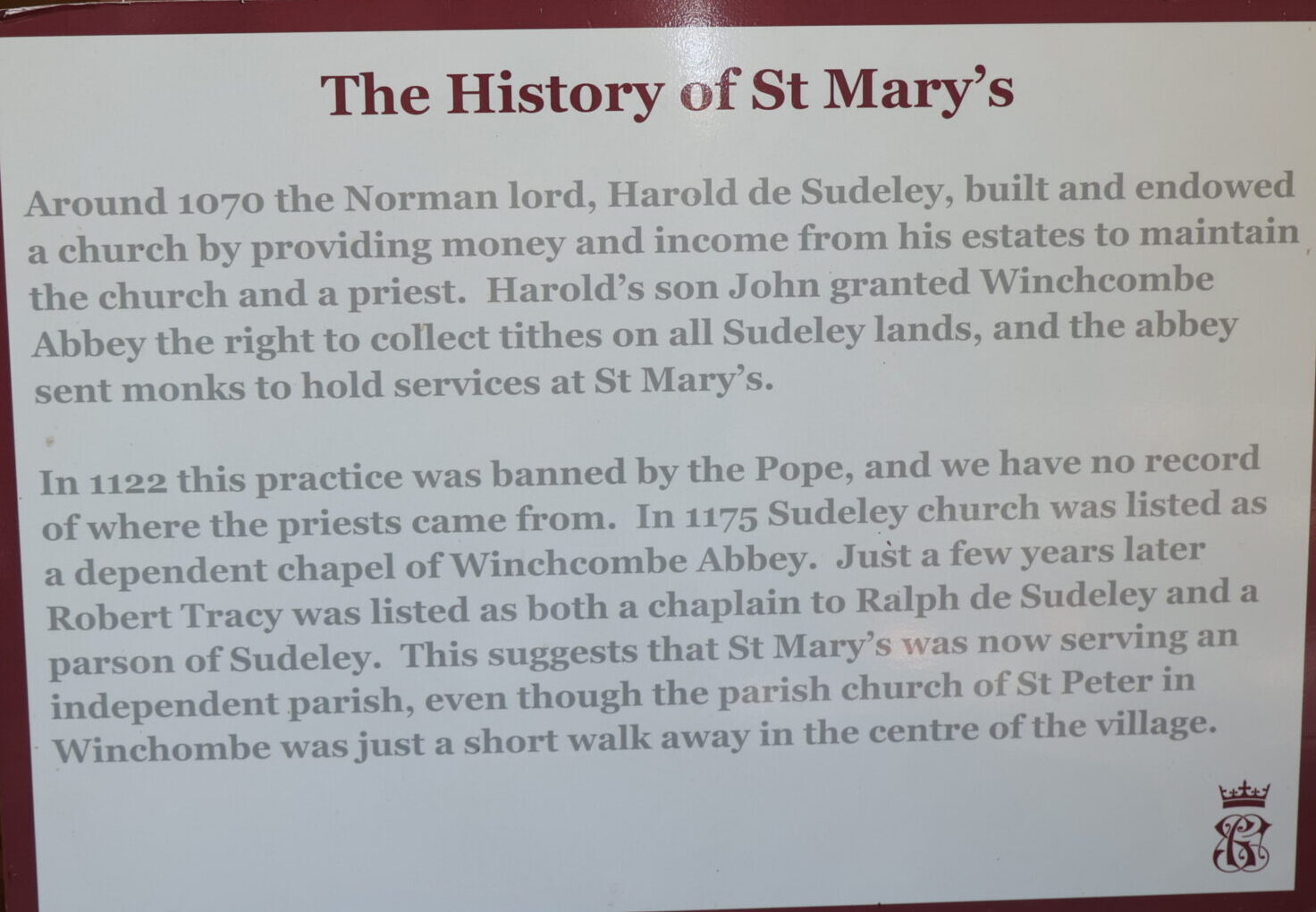
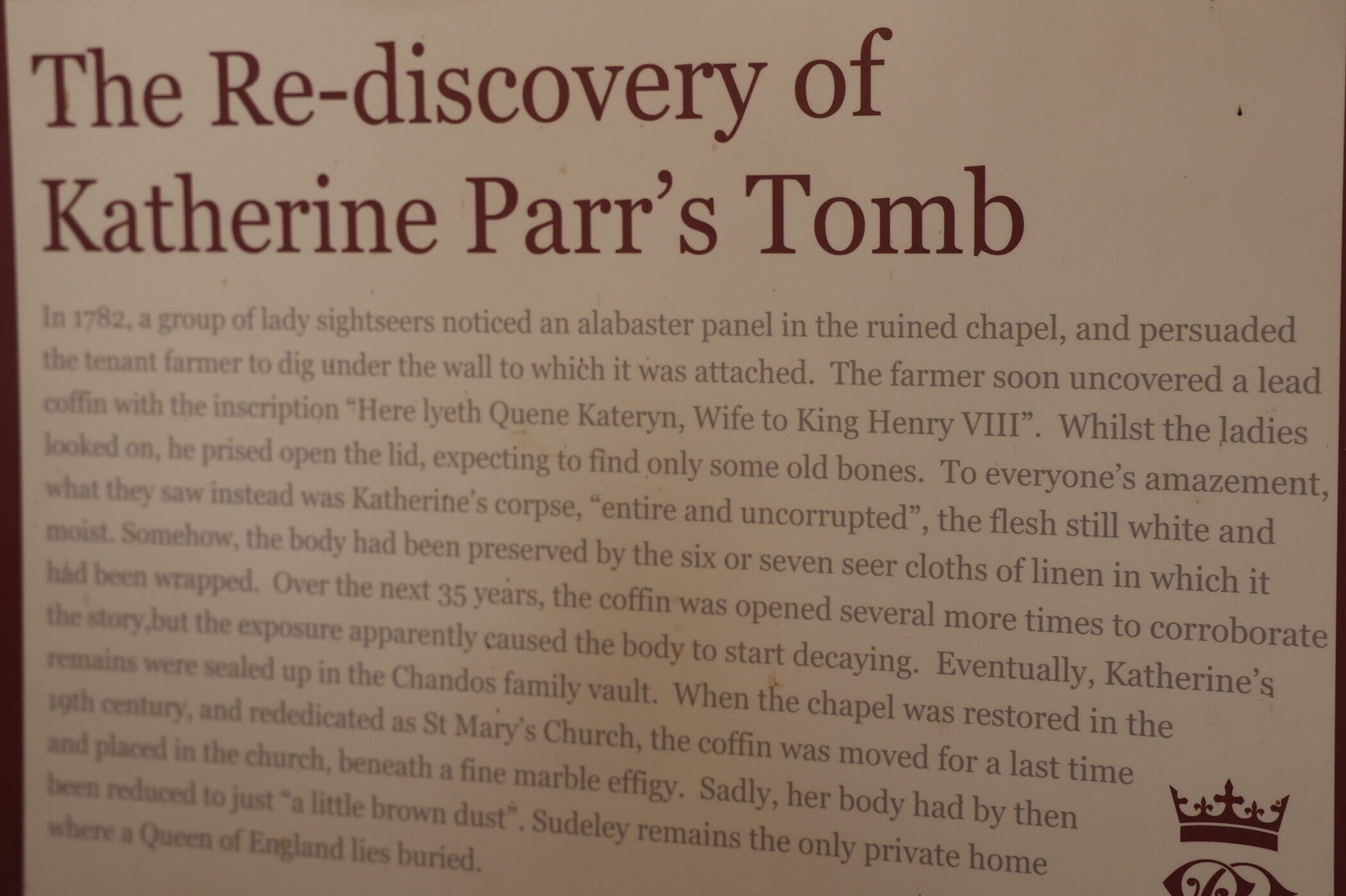
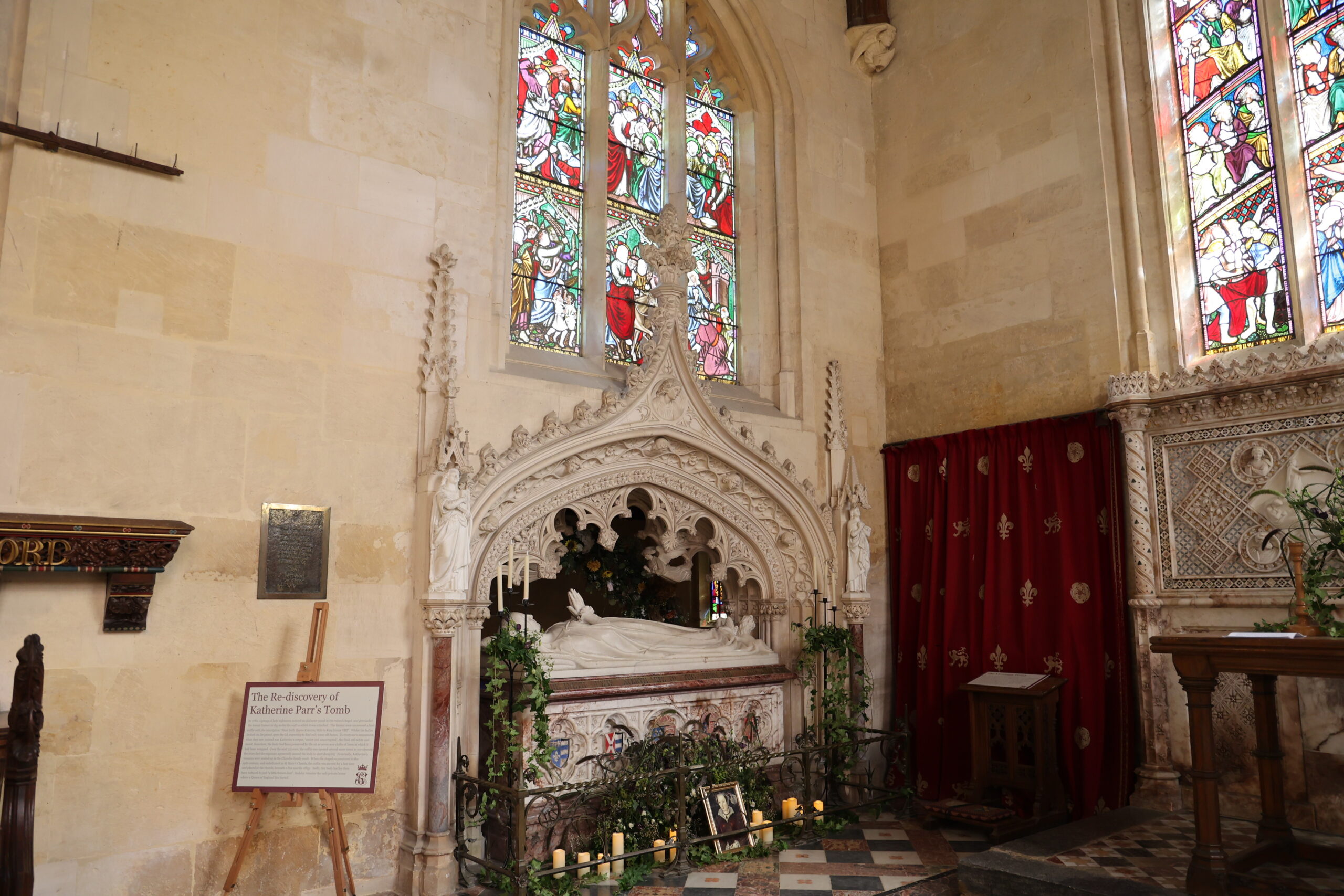
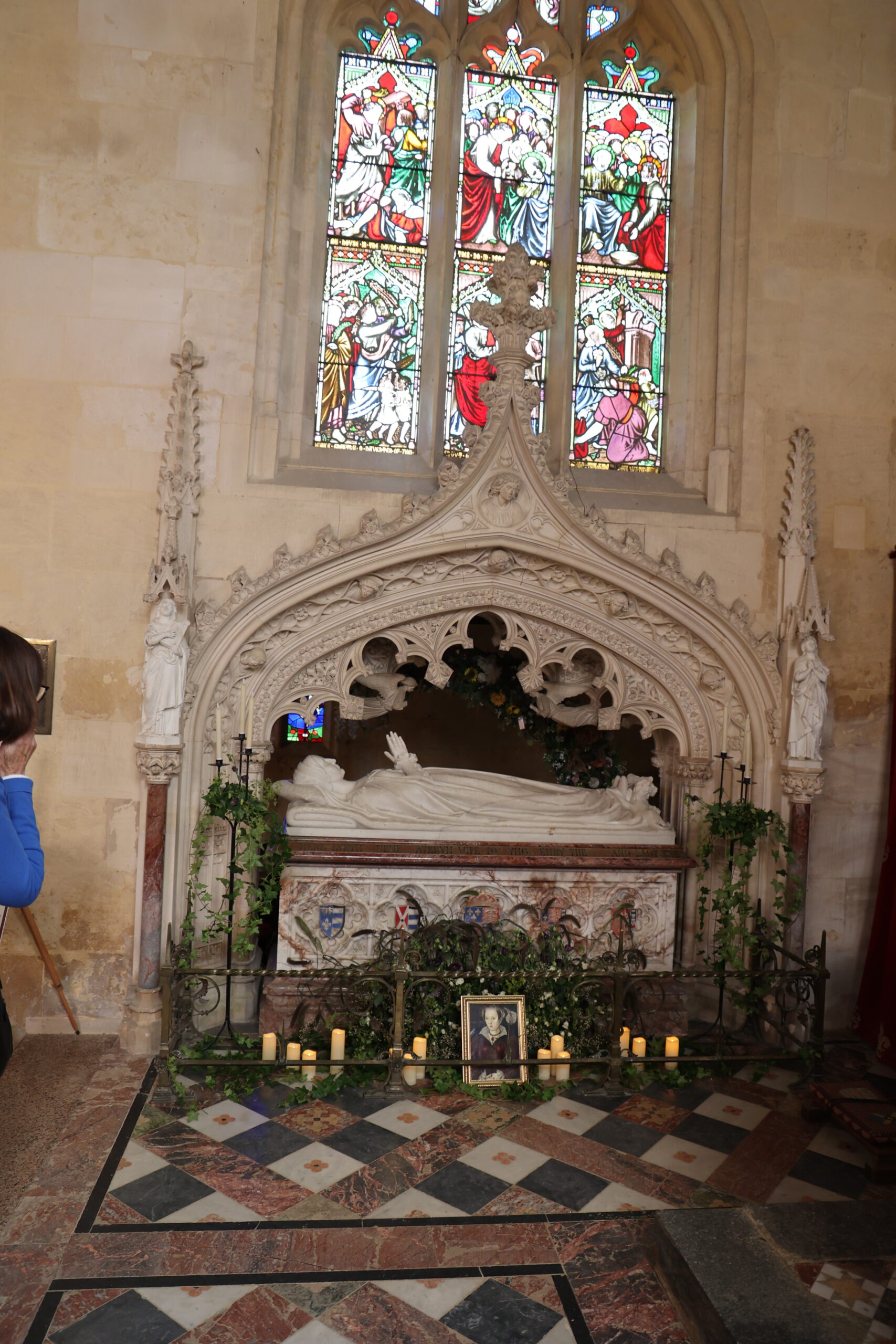
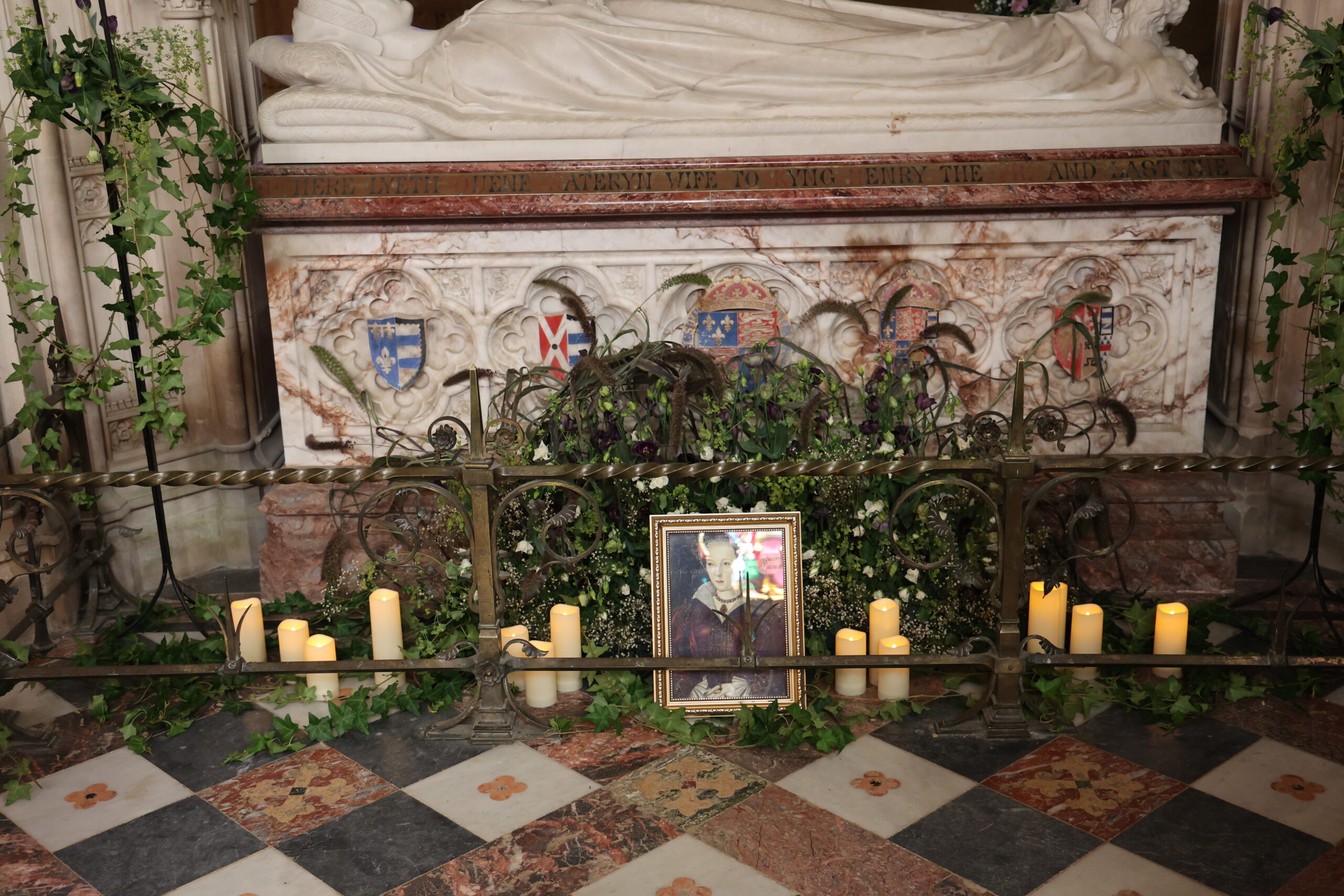
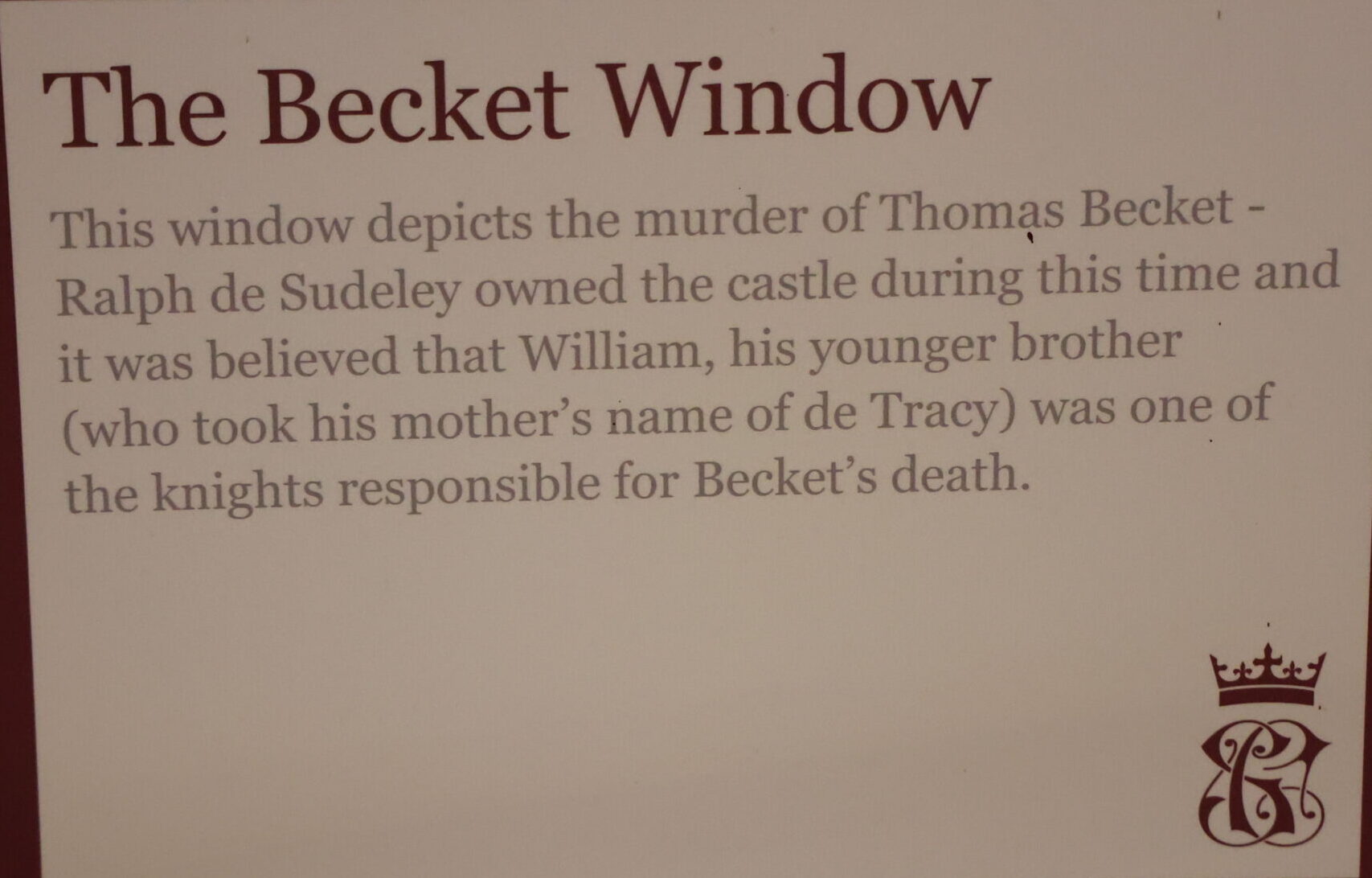
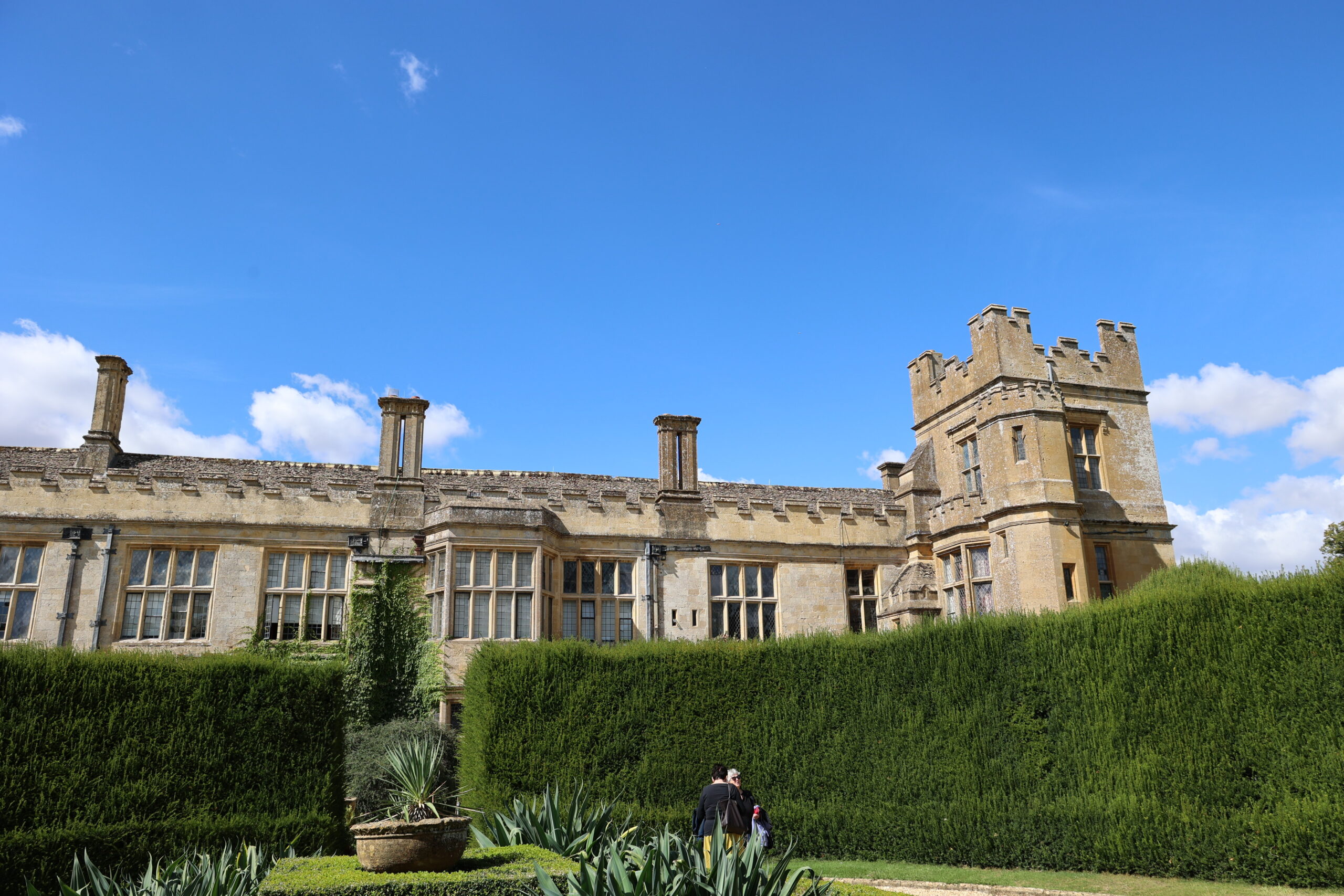
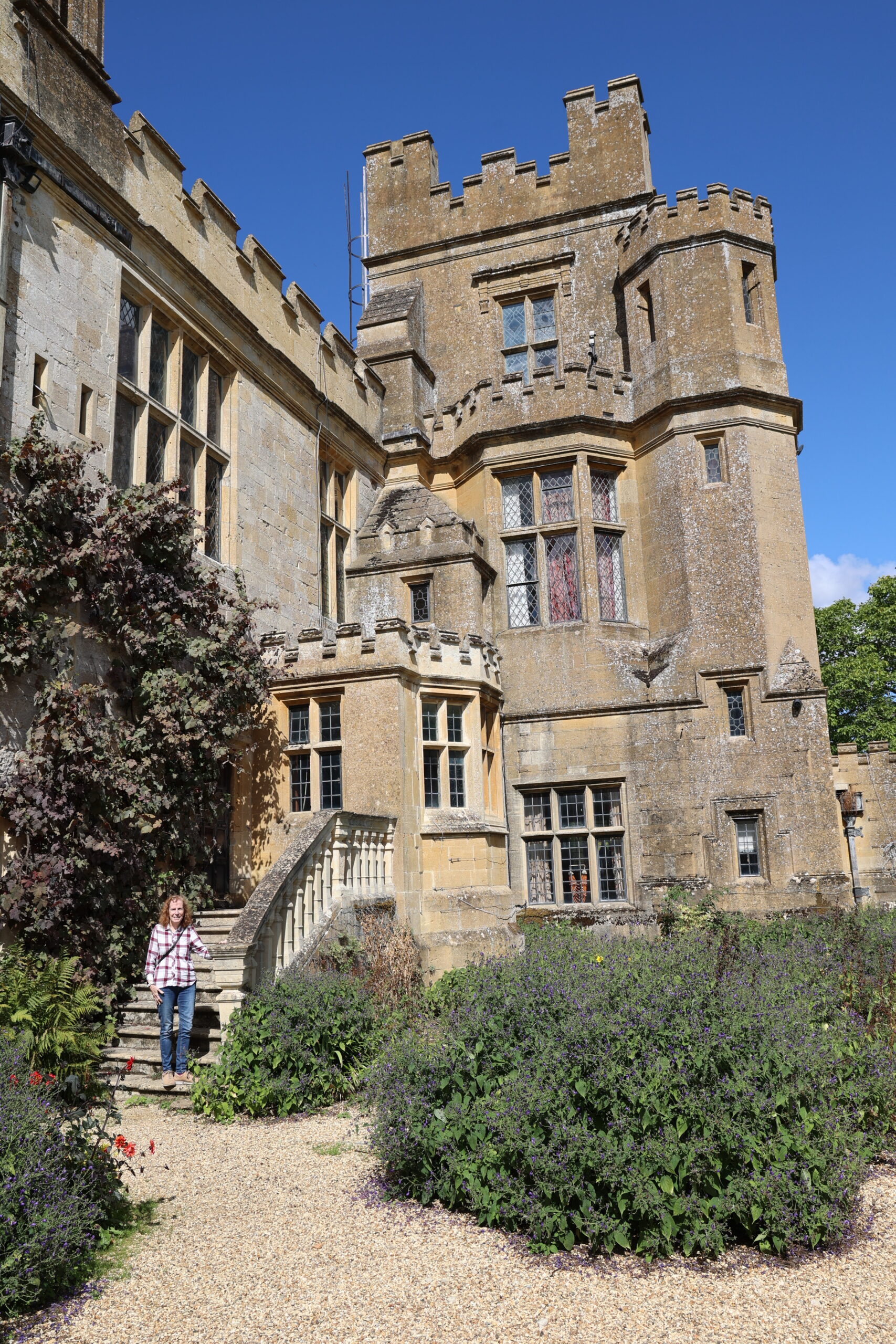
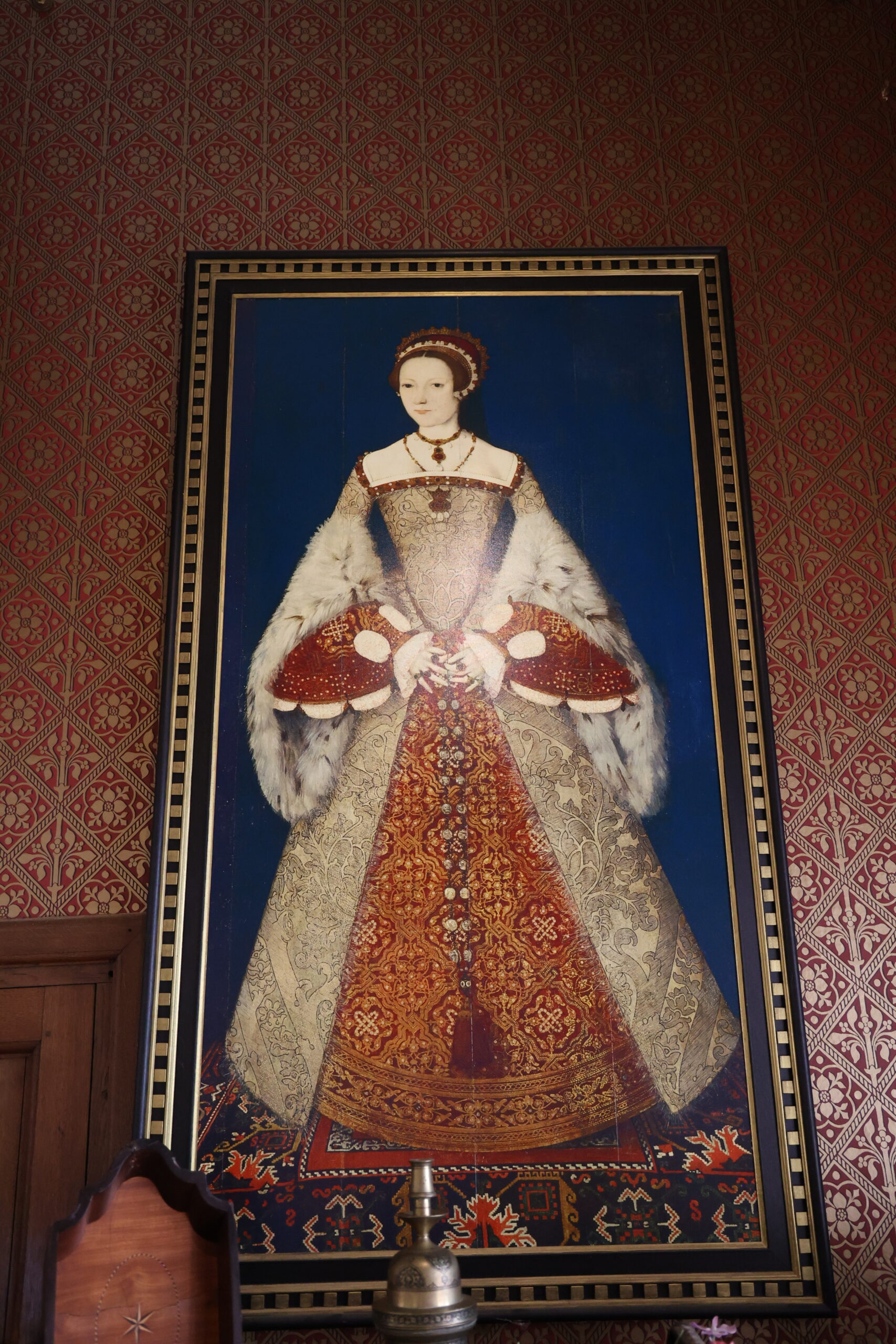
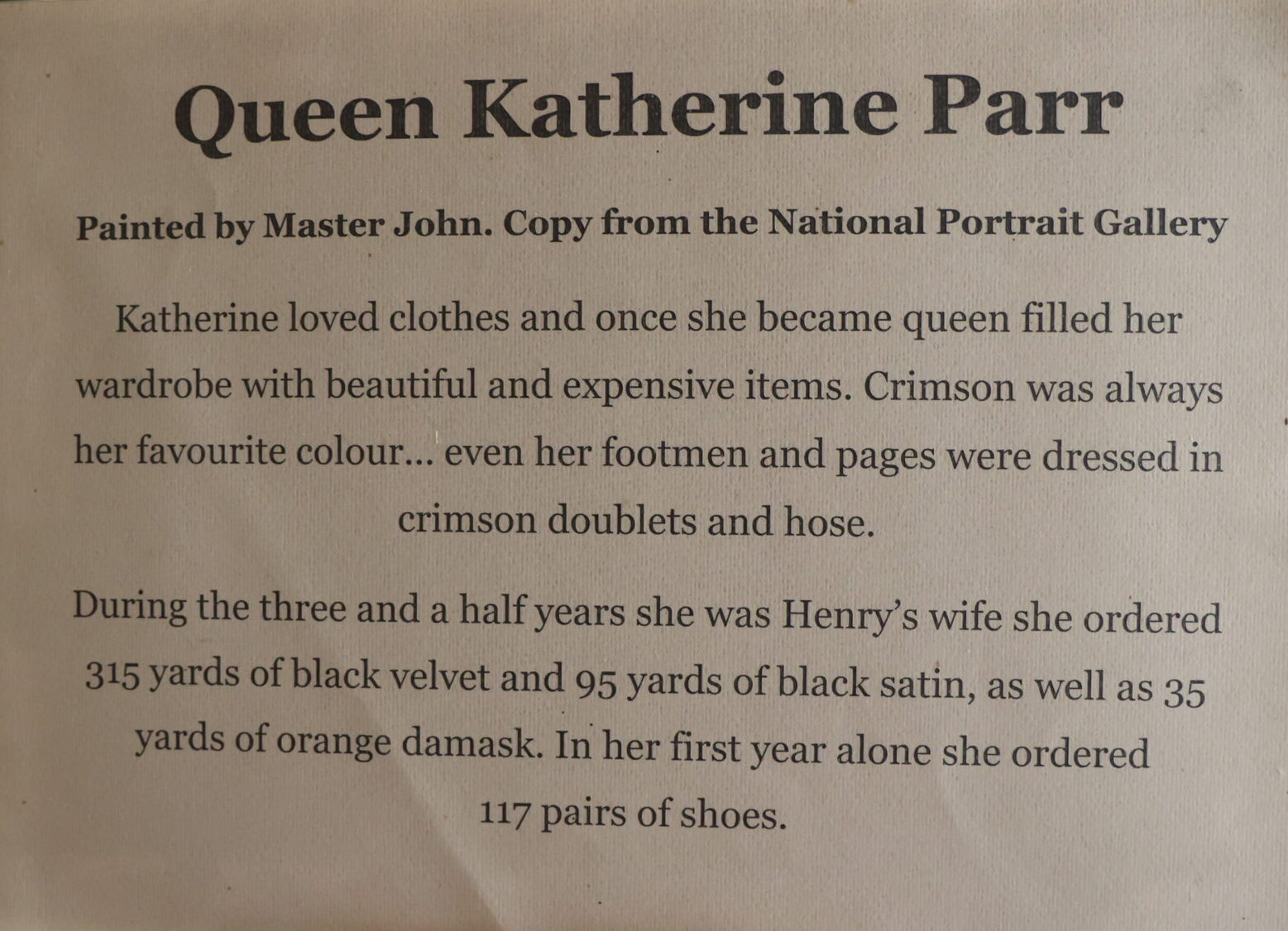
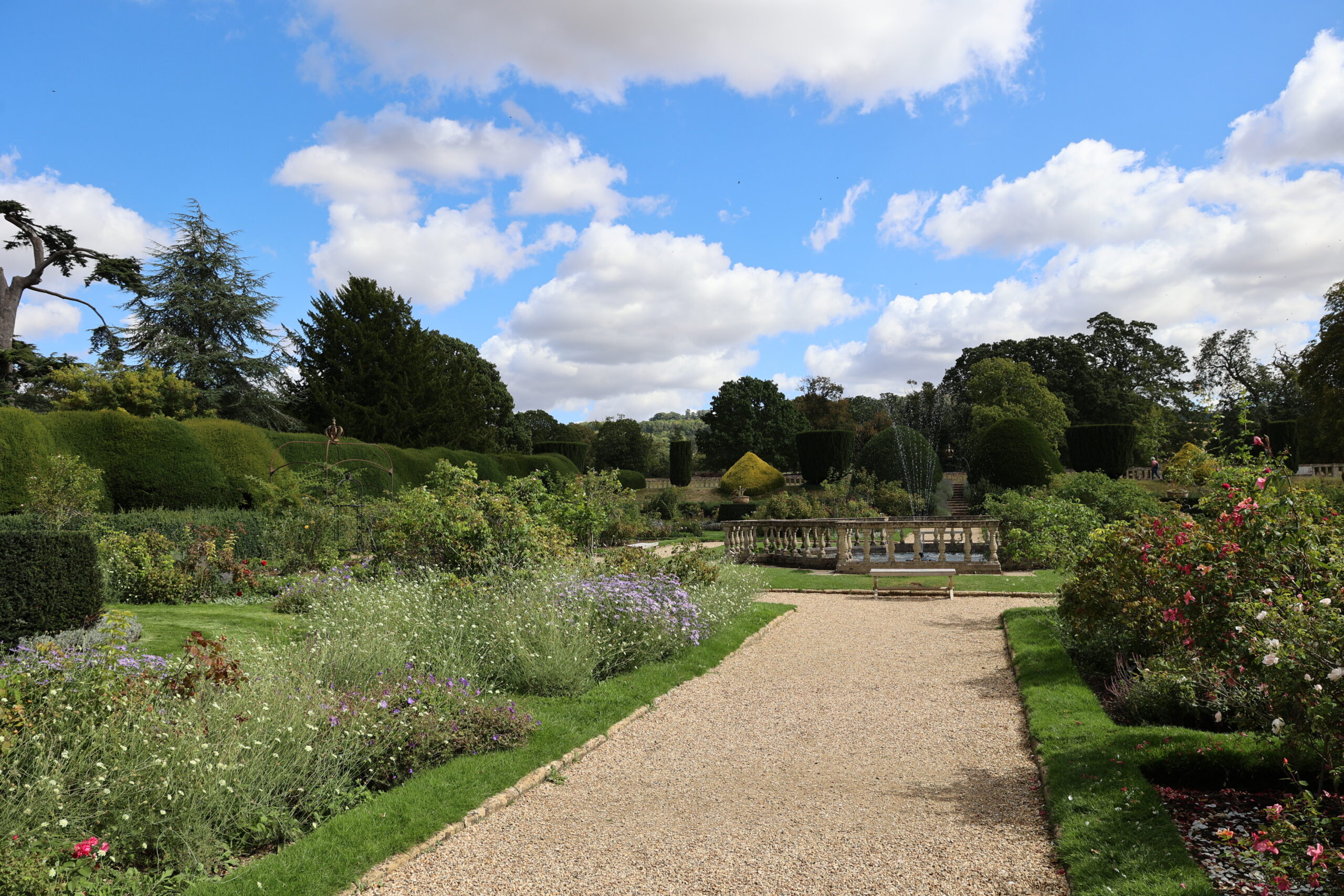
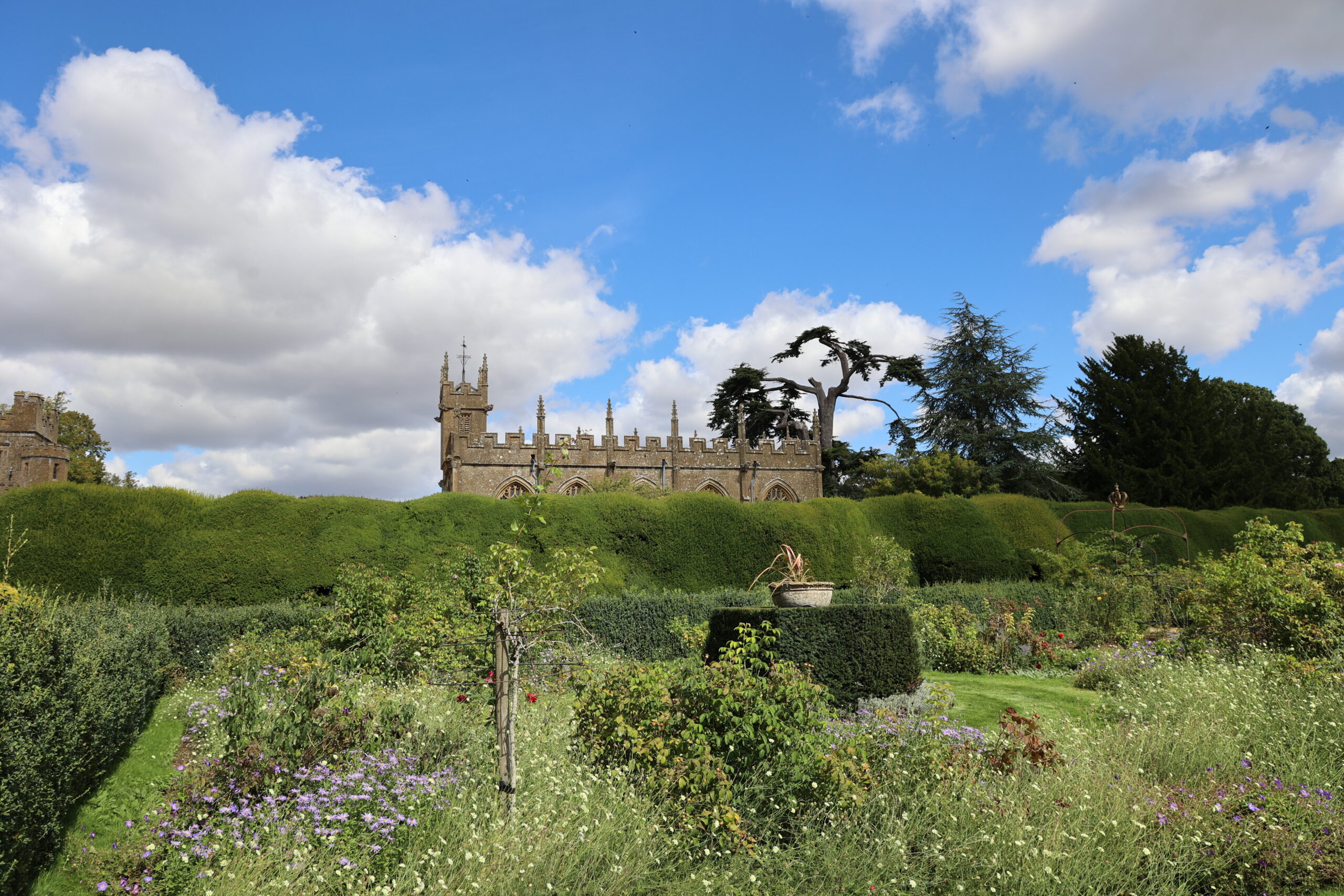
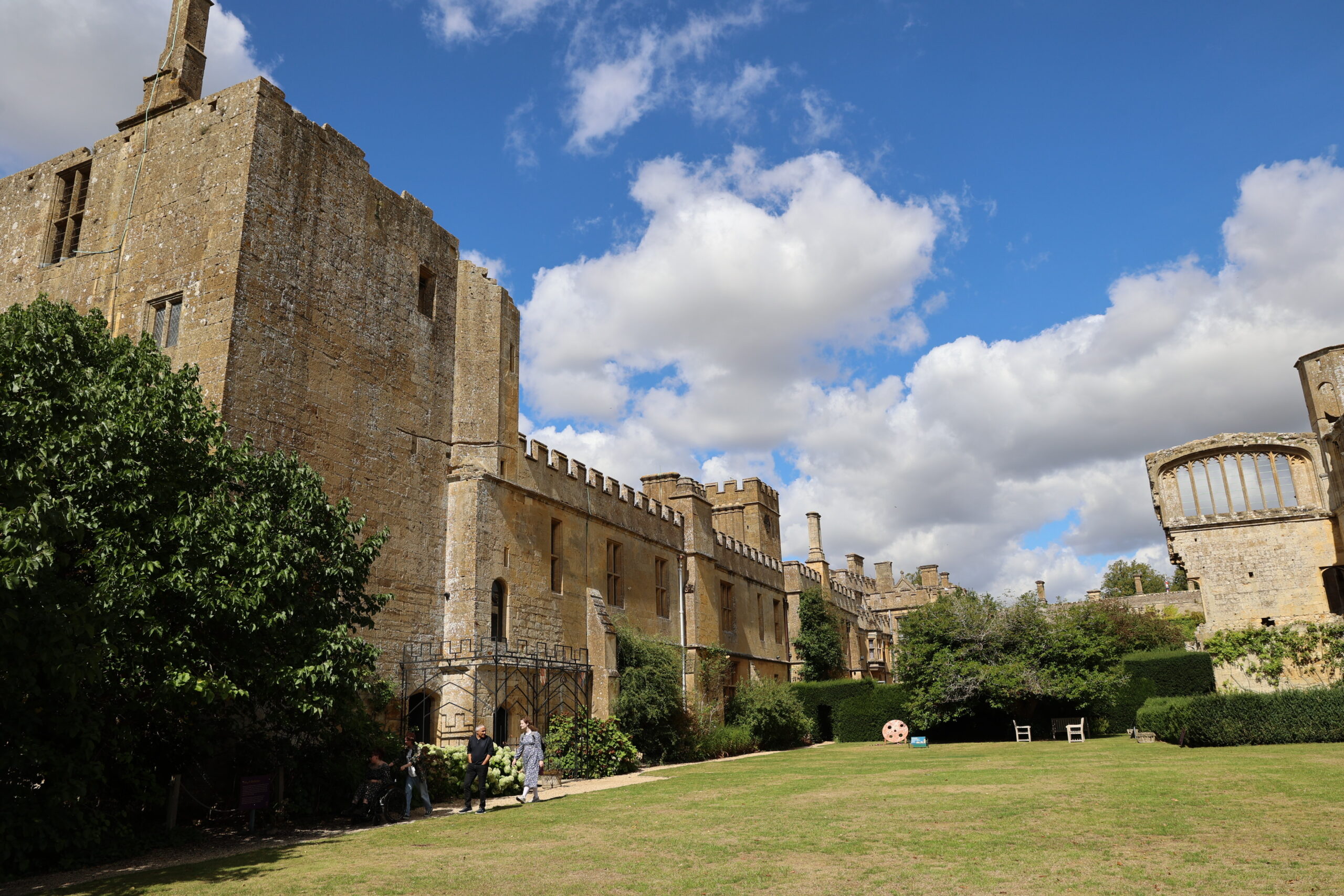
From there we went to Sudeley Castle. The Castle was built in the 15th century on the site of a previous 12th century fortified manor house. It was seized by the crown and became the property of King Edward IV and King Richard III and later became the home and final resting place of Henry VIII’s last wife, Catherine Parr. She is buried in the castle’s church, making Sudeley the only privately owned castle in the world to have a queen of England buried in its grounds. It was Catherine Parr week at the Castle, and a gentleman was giving a talk about her in the chapel.
After the civil war of the 17th century, the castle lay in ruins until it was purchased by the Dent family who restored it and turned into a family home.
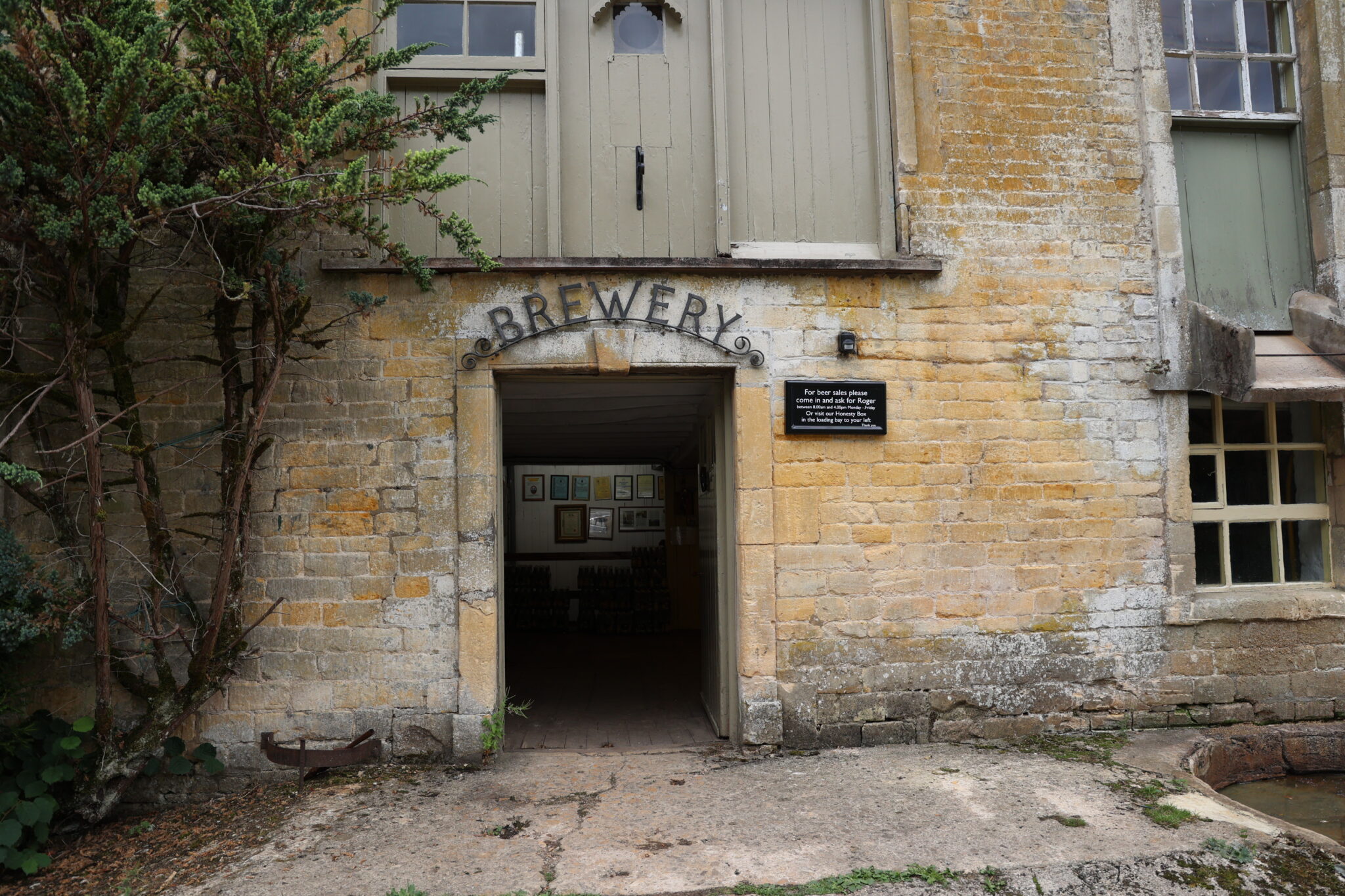
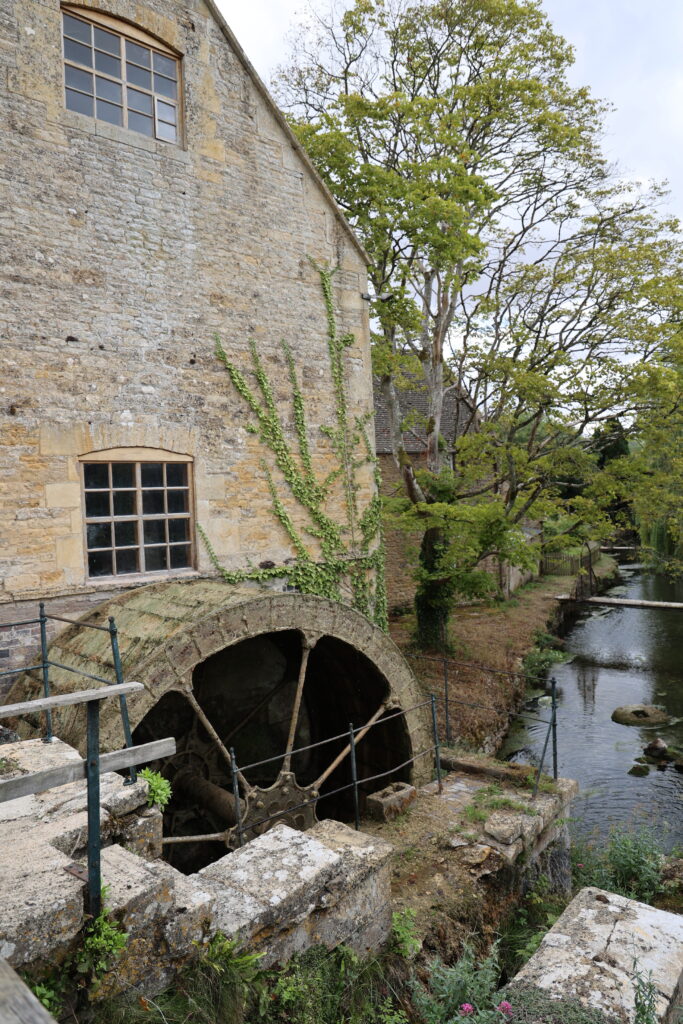
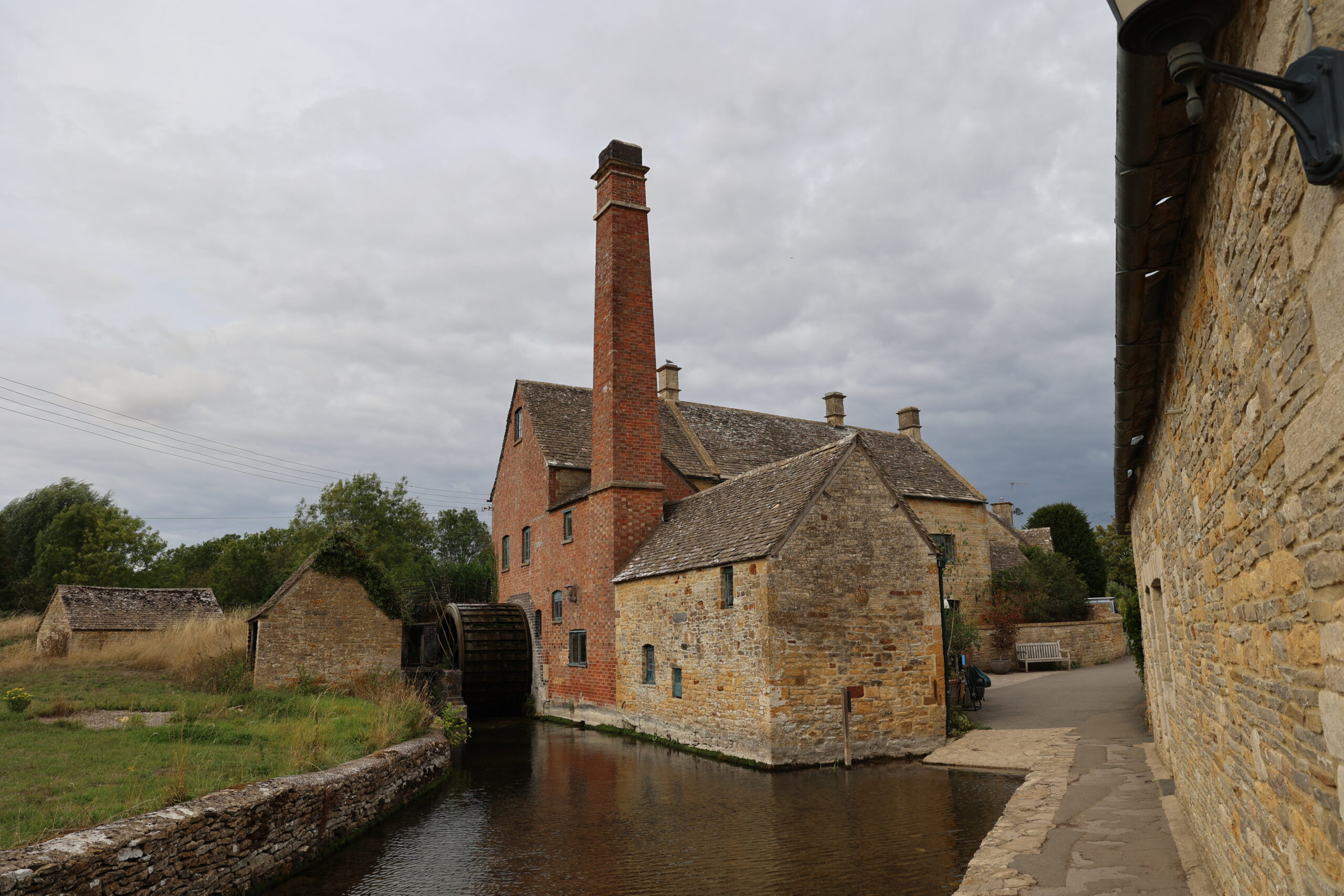
We moved on, and our driver, James, took us to an old Brewery that has been brewing ale and beer since the 13th century. They still use the power from the old water wheel.
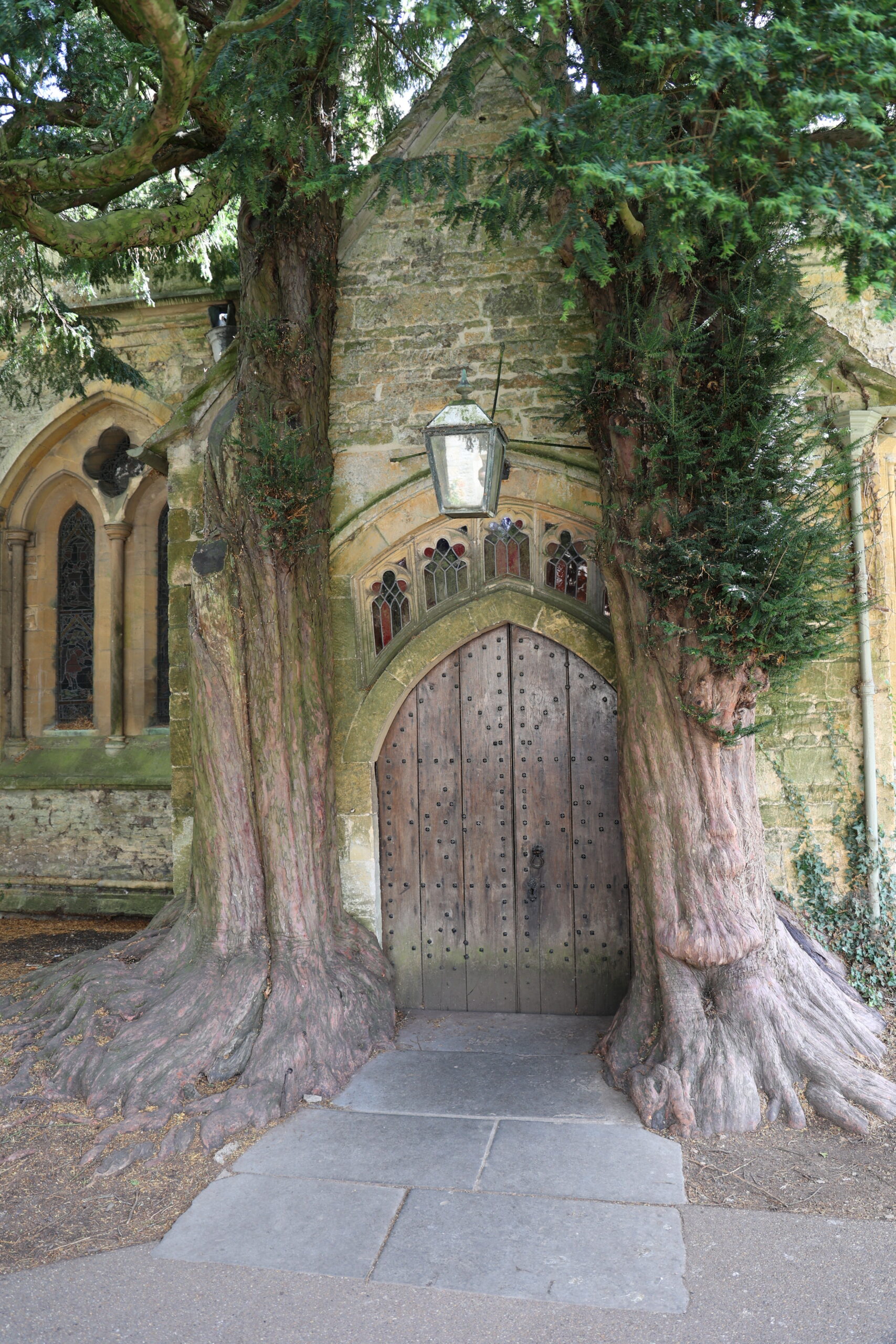
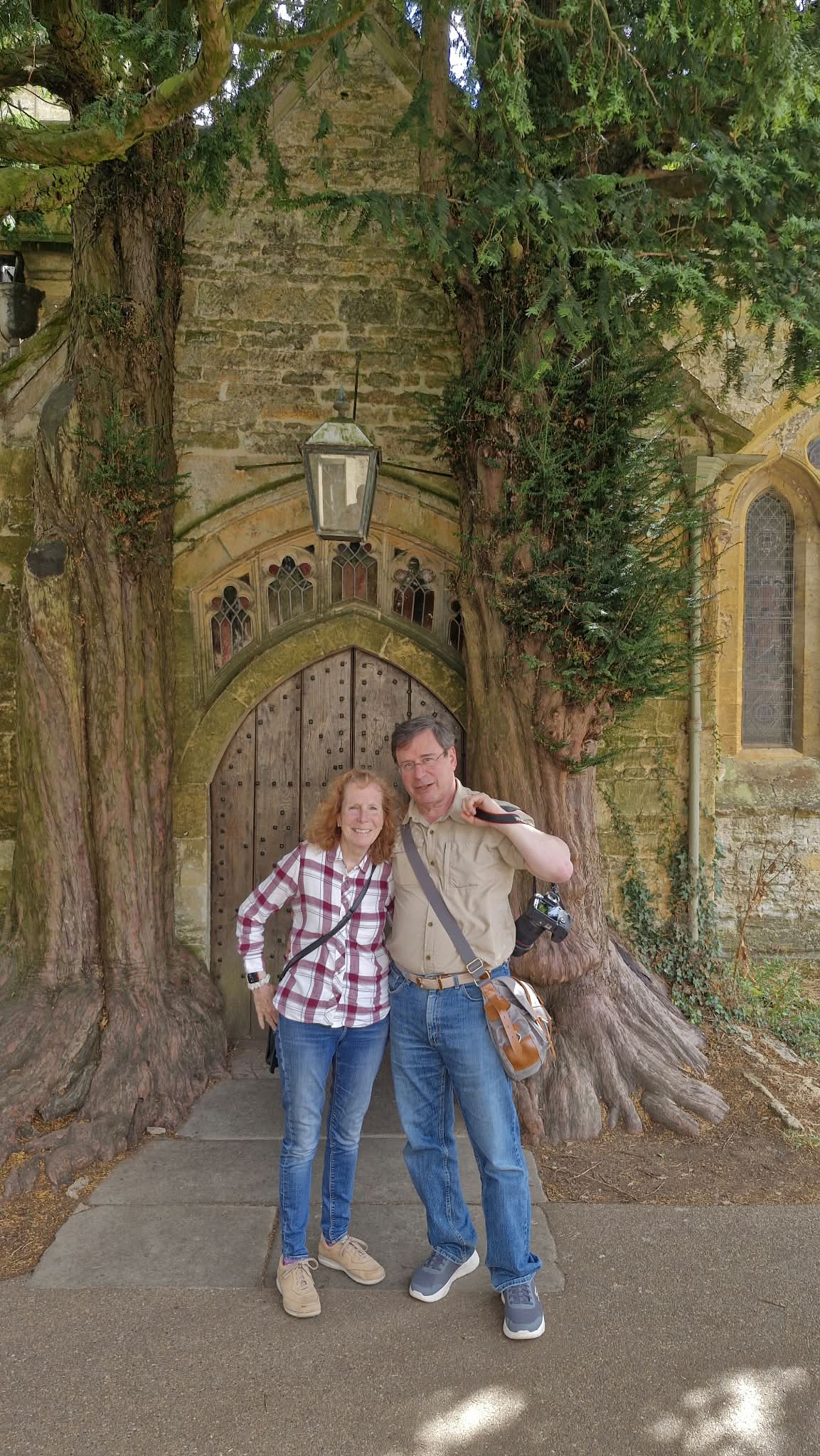
We continued our exploration of local towns and villages, stopping in Stow-on-the-Wold for a look around as well as a stop at St. Edward’s Church. This is a Norman church with parts dating from the 11th century. One of its many attractions is the north door flanked by yew trees that is believed to have inspired JRR Tolkien for the Doors of Durin in his The Lord of the Rings. It is the second most photographed door in England, just behind 10 Downing Street.
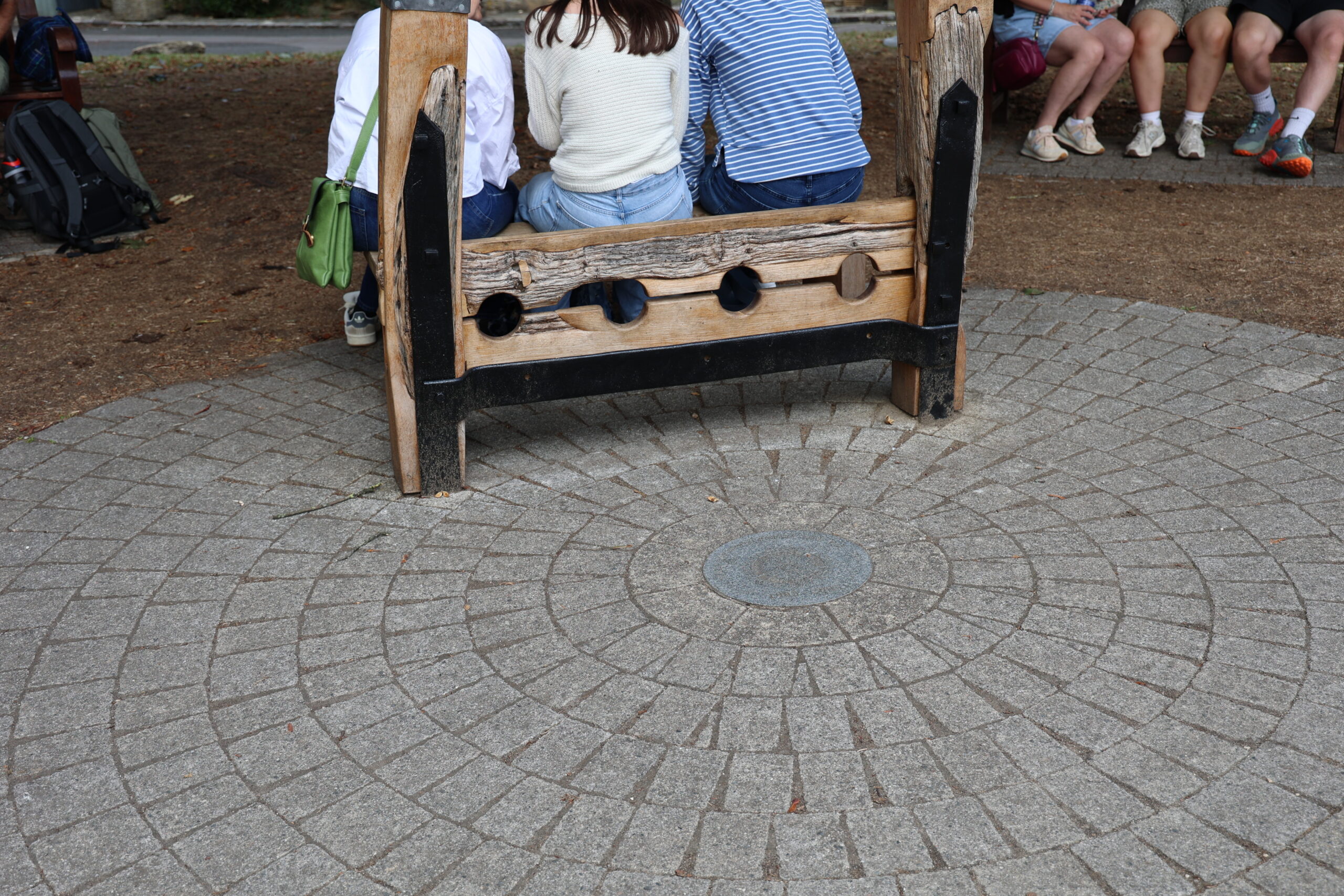
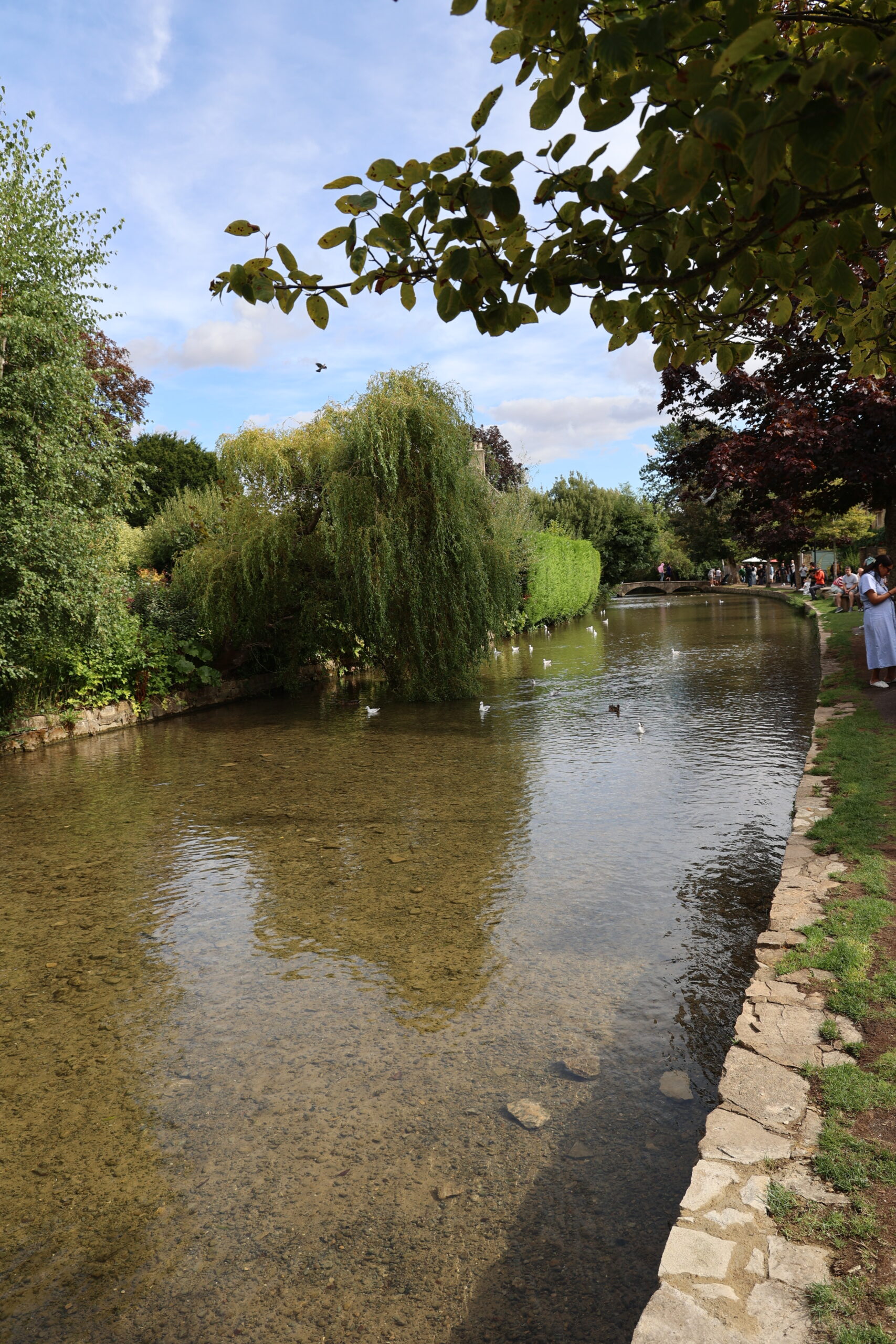
Our next stop was a stroll through Bourton on the Water, known as the “Venice of the Cotswolds” for the low arched stone bridges that cross the shallow River Windrush flowing through its center.
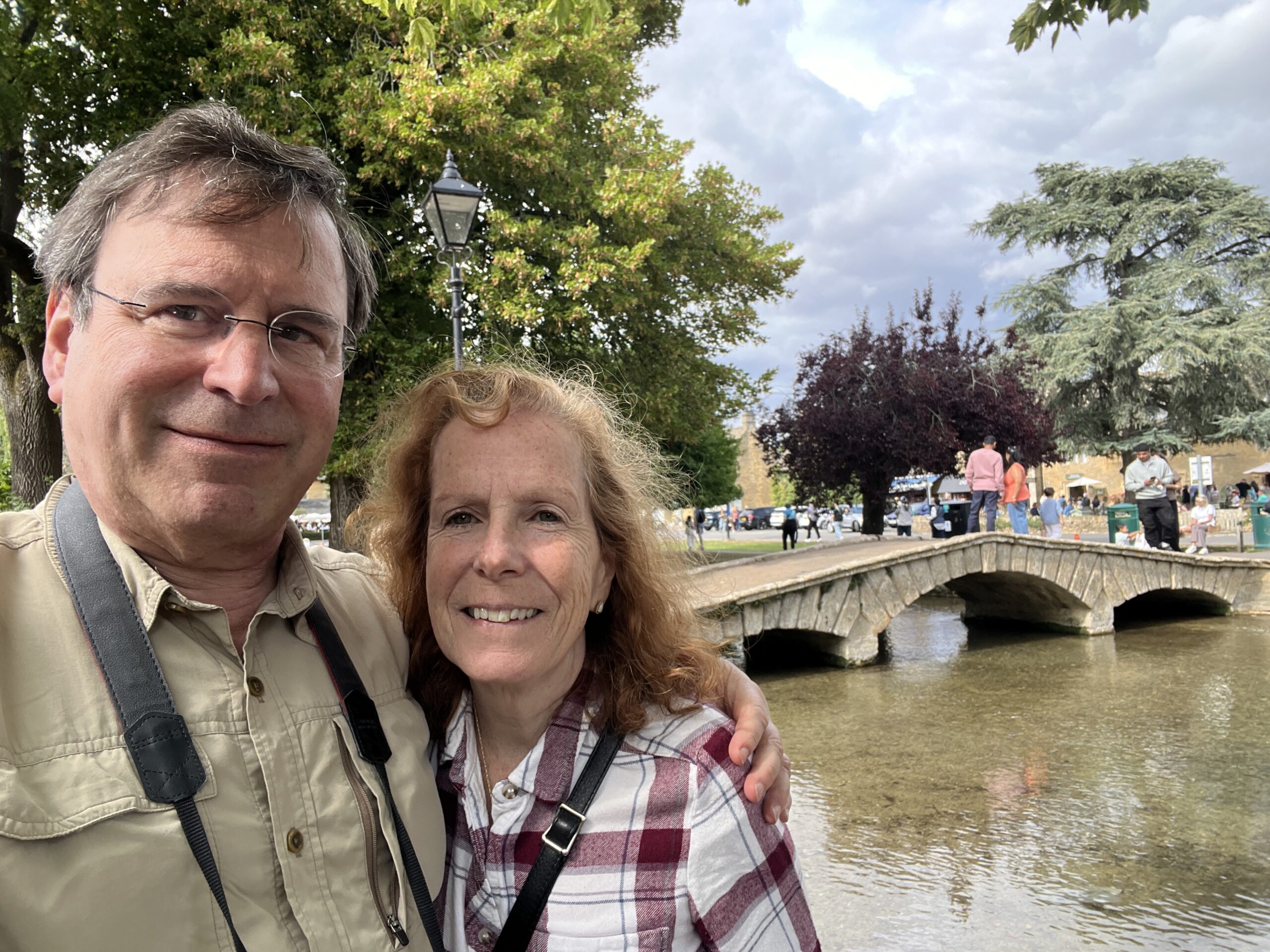
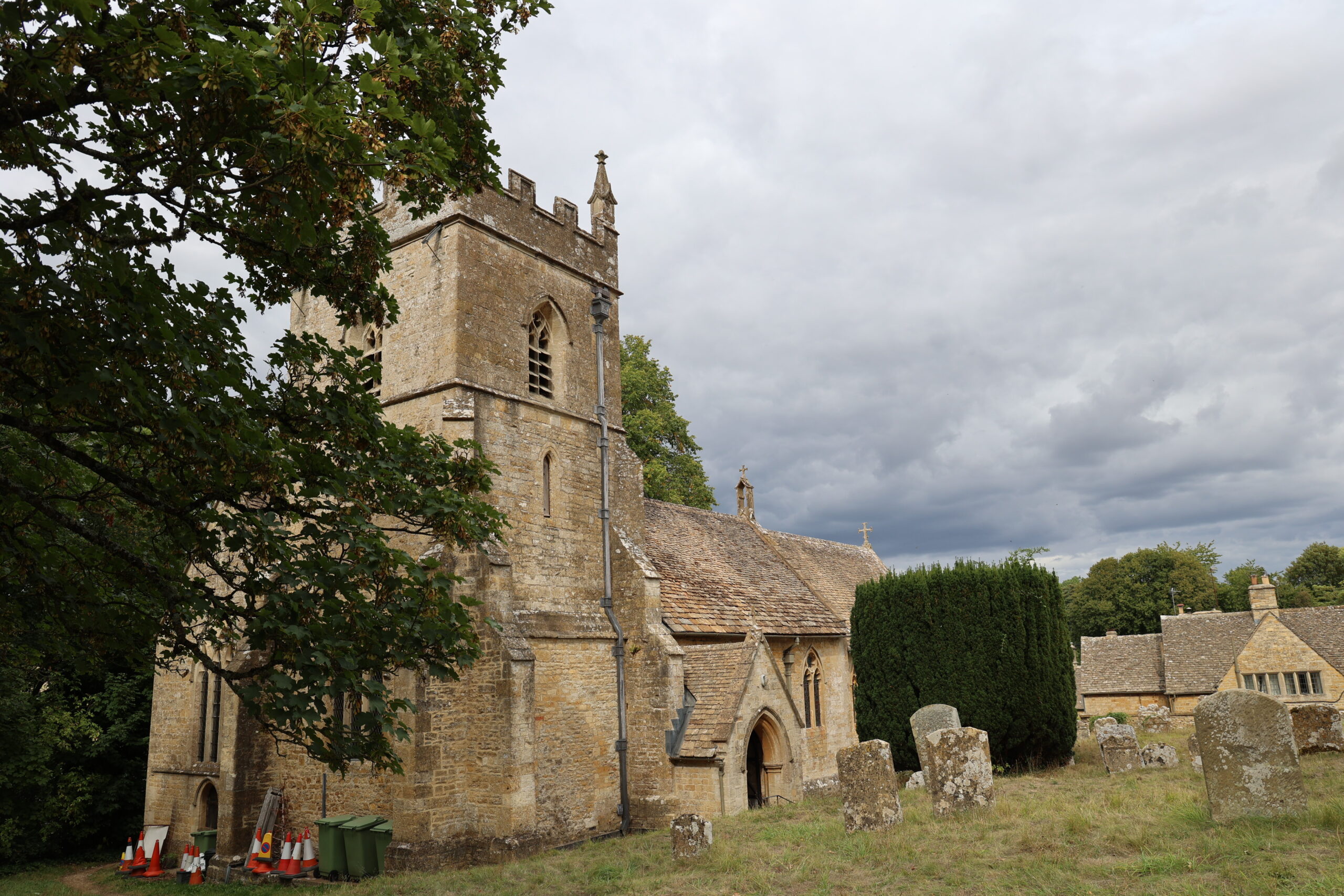
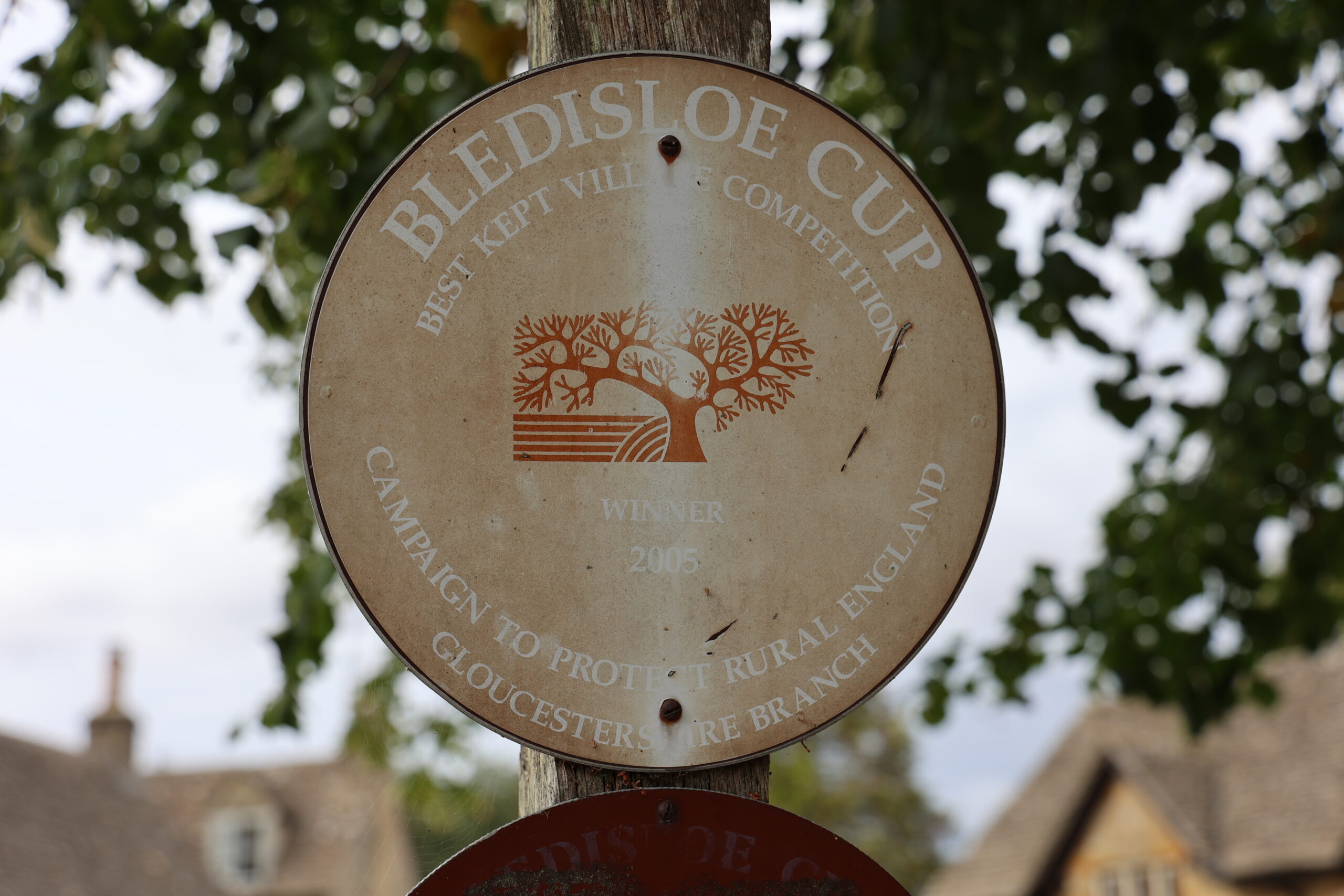
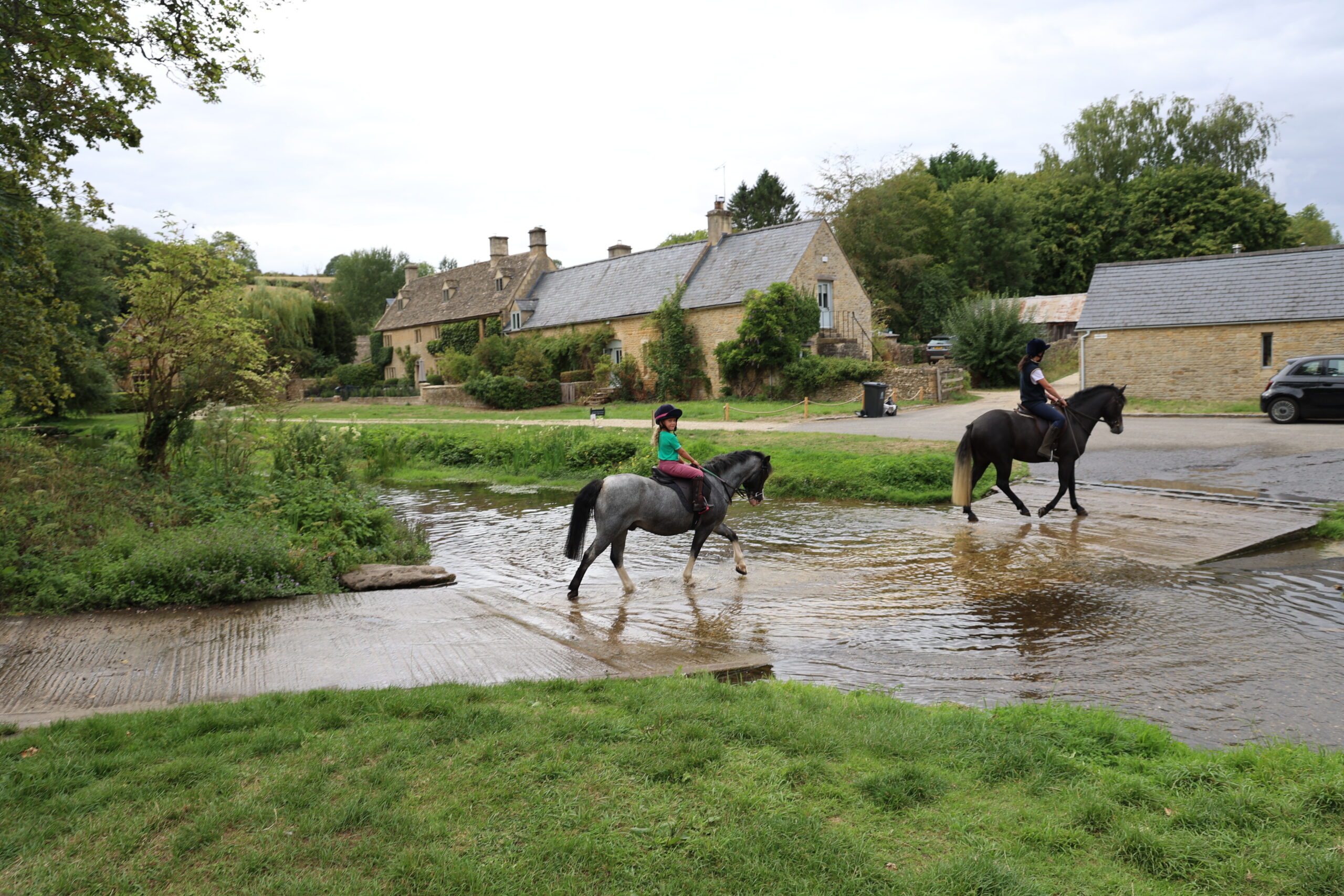
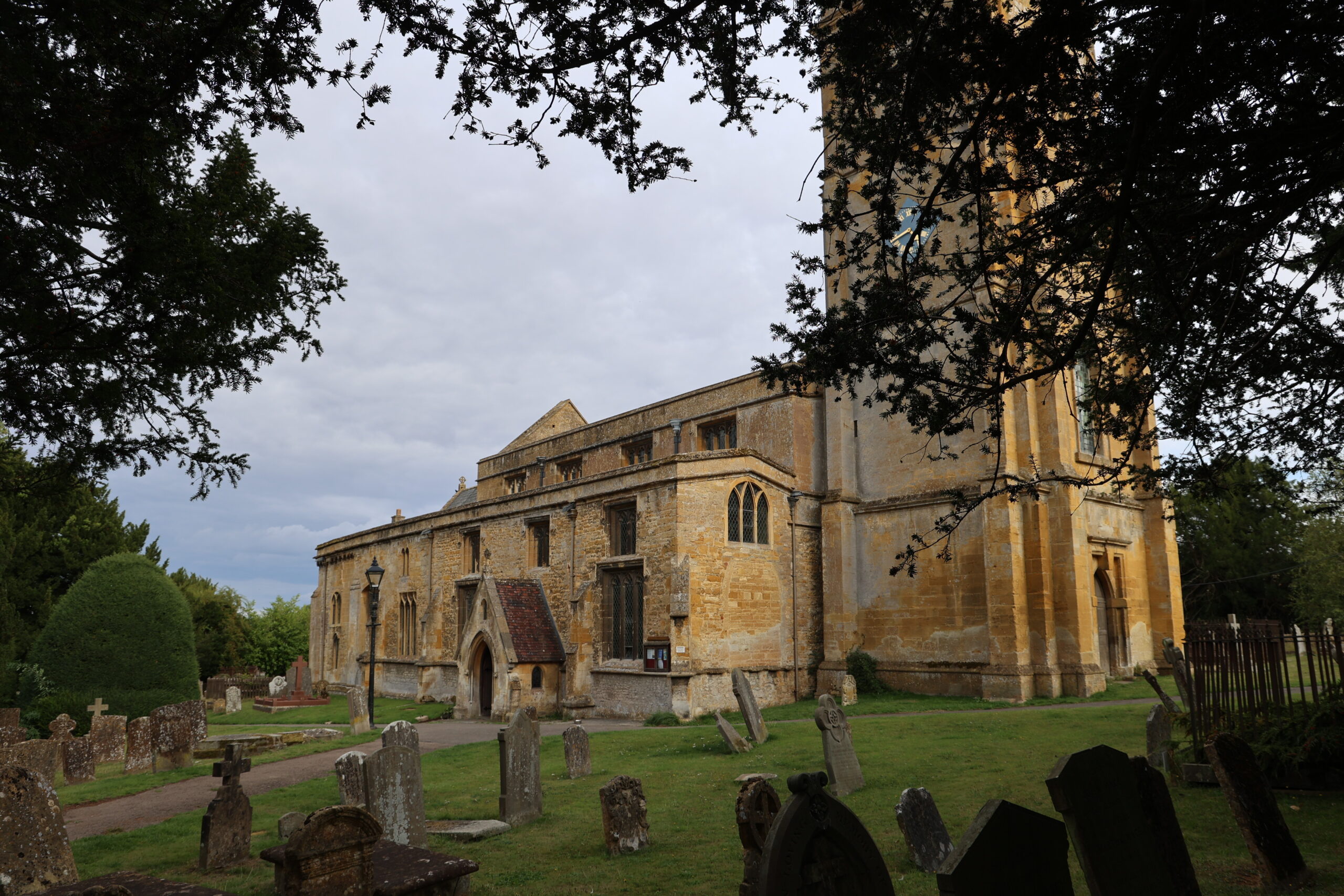
Next, we took a stroll through Upper and Lower Slaughter. “Slaughter” from the old English slohtre, meaning a muddy or miry place. Upper Slaughter is a “Thankful Village” because all of it residents who served in the First World War returned home safely. It is also the recipient in 2005 of the Bledisloe Cup, a competition for Best Kept Village. They really do that here! We stopped into St. Peter’s Church, a parish church dating from the 12th century. We crossed the ford, along with some riders out for a hack. The kids were very cute as they coerced their ponies across.
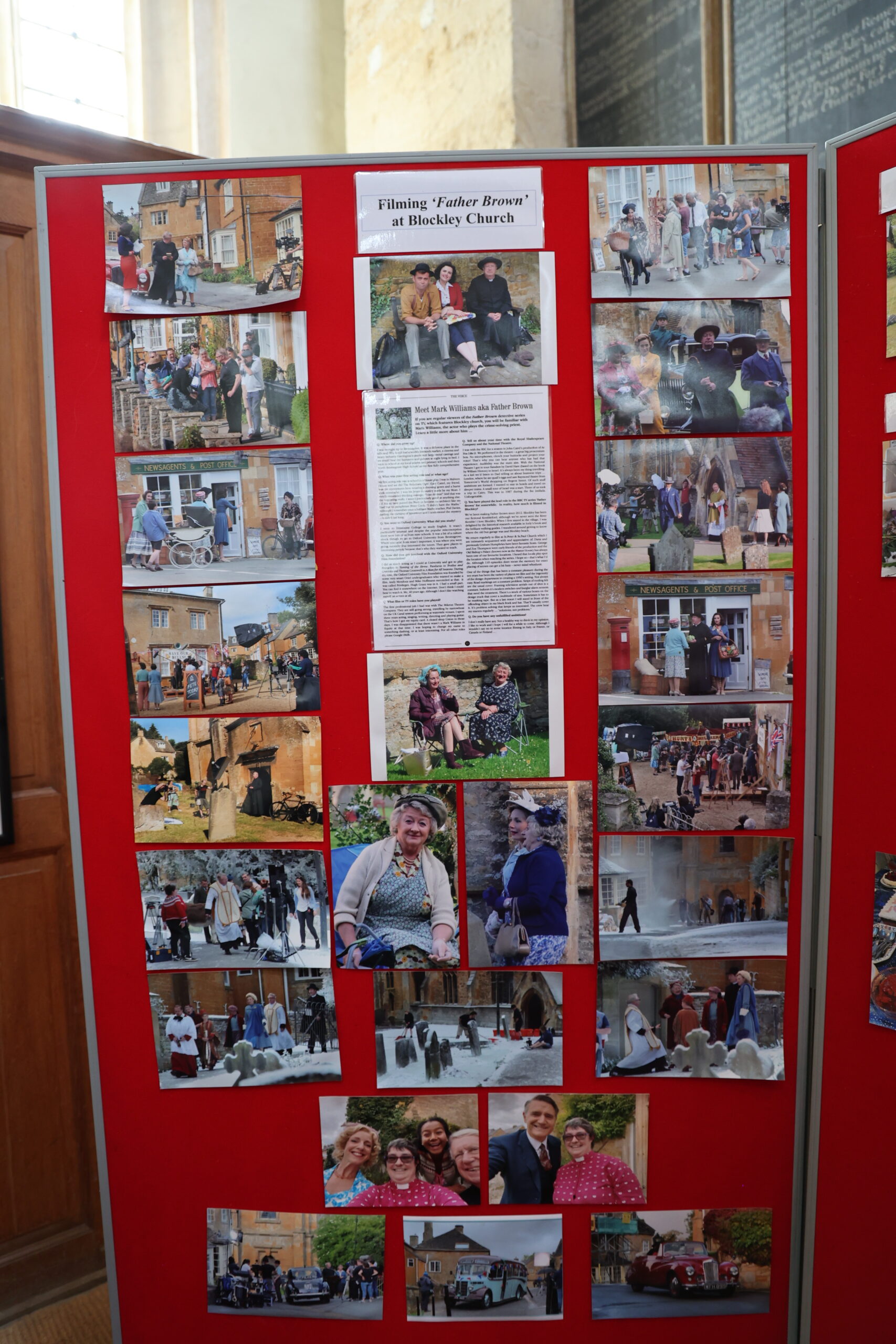
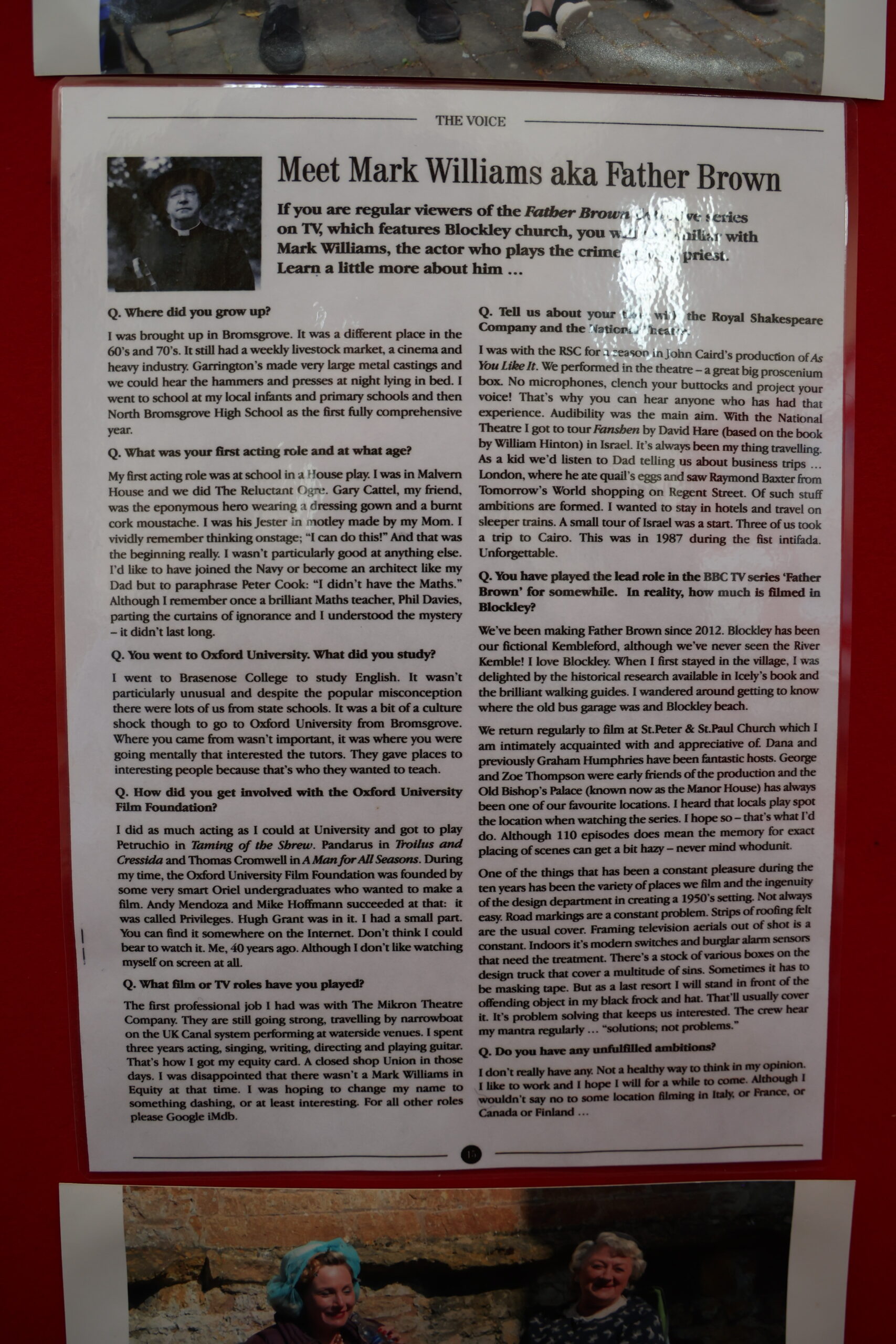
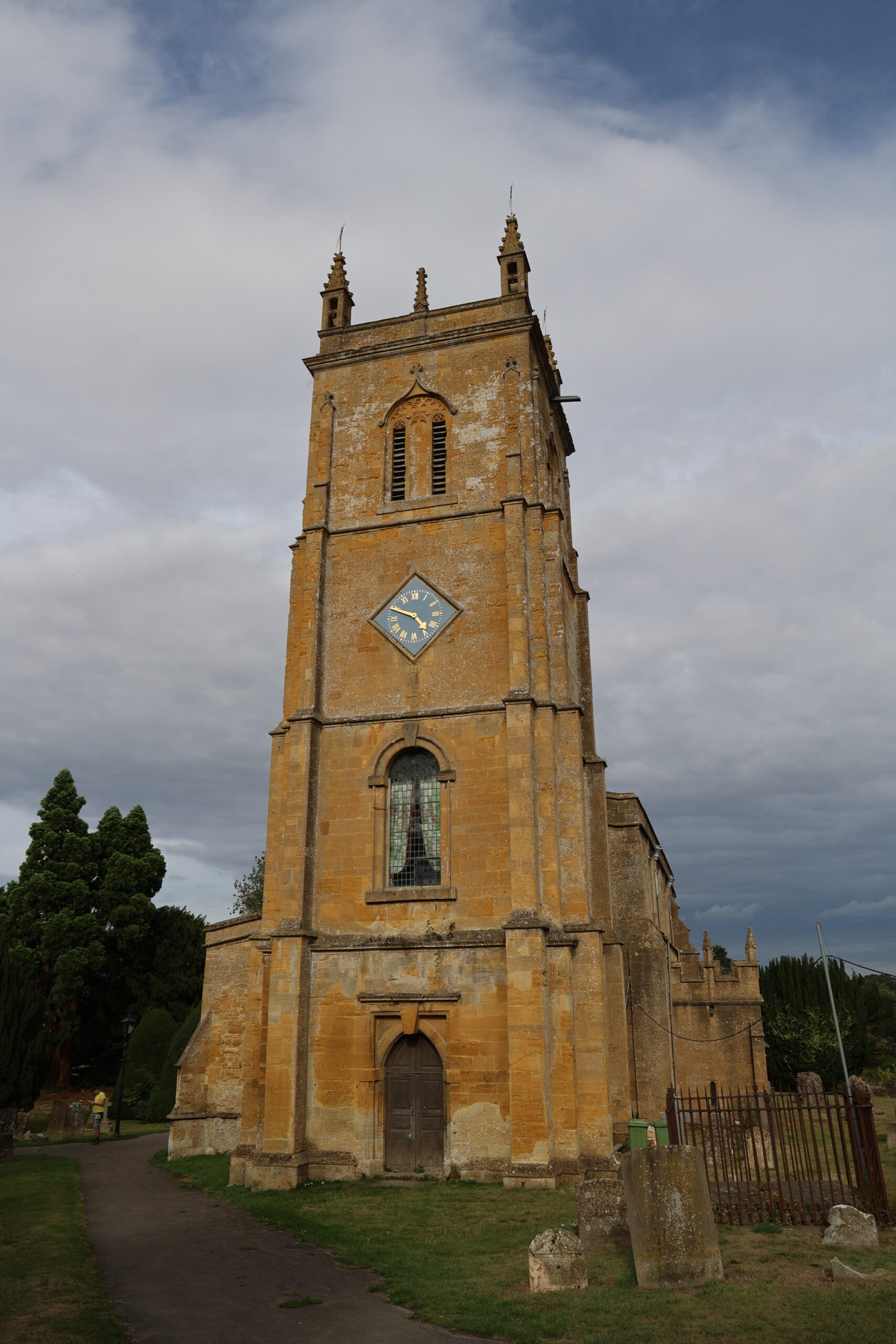
After a brief rest in our room, we took a taxi to Broadway for dinner at the Swan Inn on the Green.
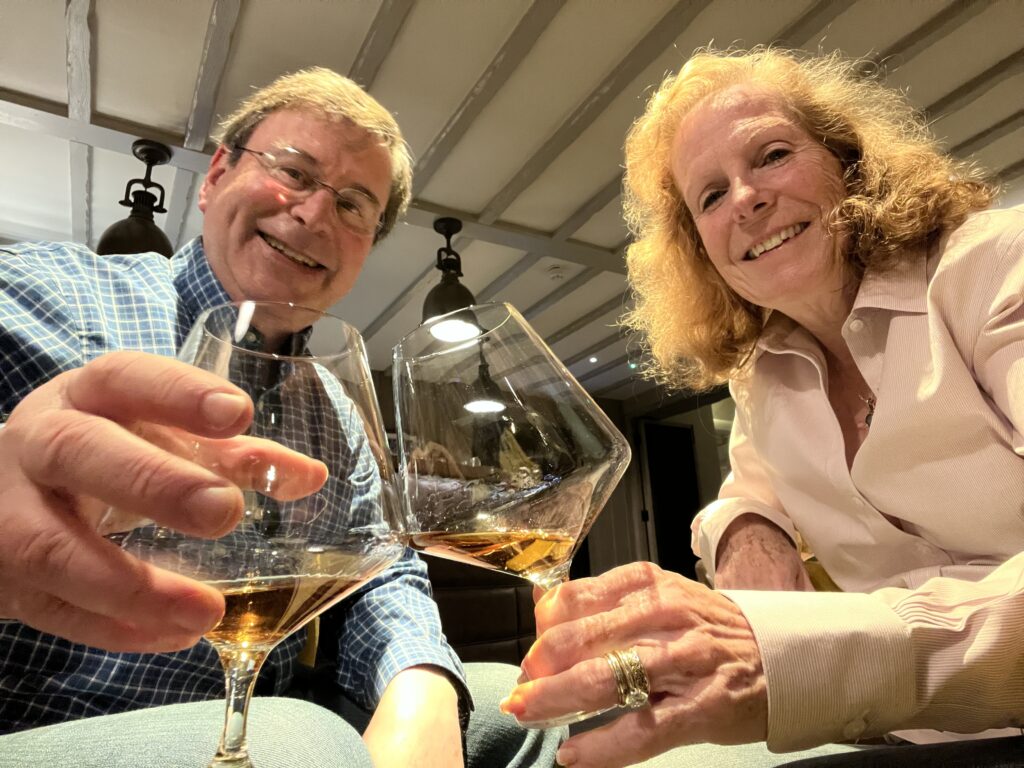
And while we always start with bubbles, we try to end our day with Brandy!
Although I do not comment much, I greatly enjoy following you around. Thank you for all the info and the beautiful pictures, I especially enjoyed the glass windows. Big Hug, SueSue
Thank you always for sharing the great pictures, Enjoy the rest of your trip!!!😊